Close




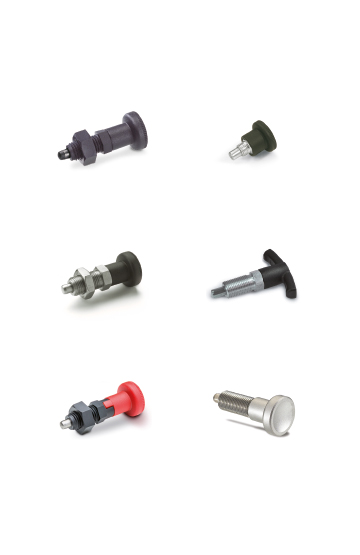
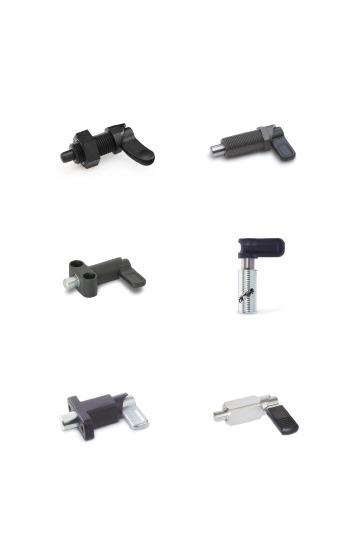
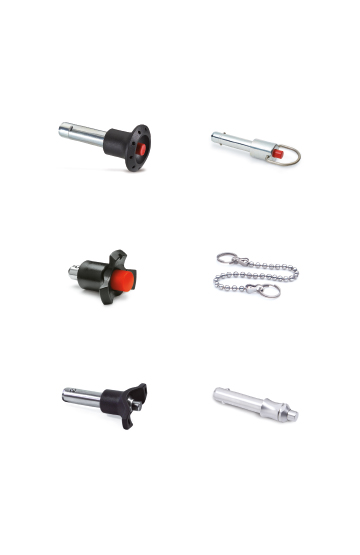
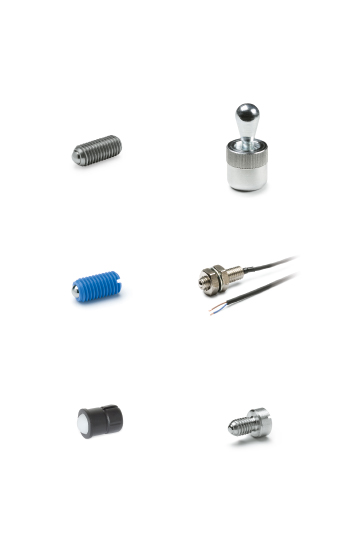





























































How Spring Plungers Ensure Precise Positioning
May 12, 2026
Reading time: minutes
The Problem: Manual Adjustments Lead to Misalignment and Inconsistent Positioning
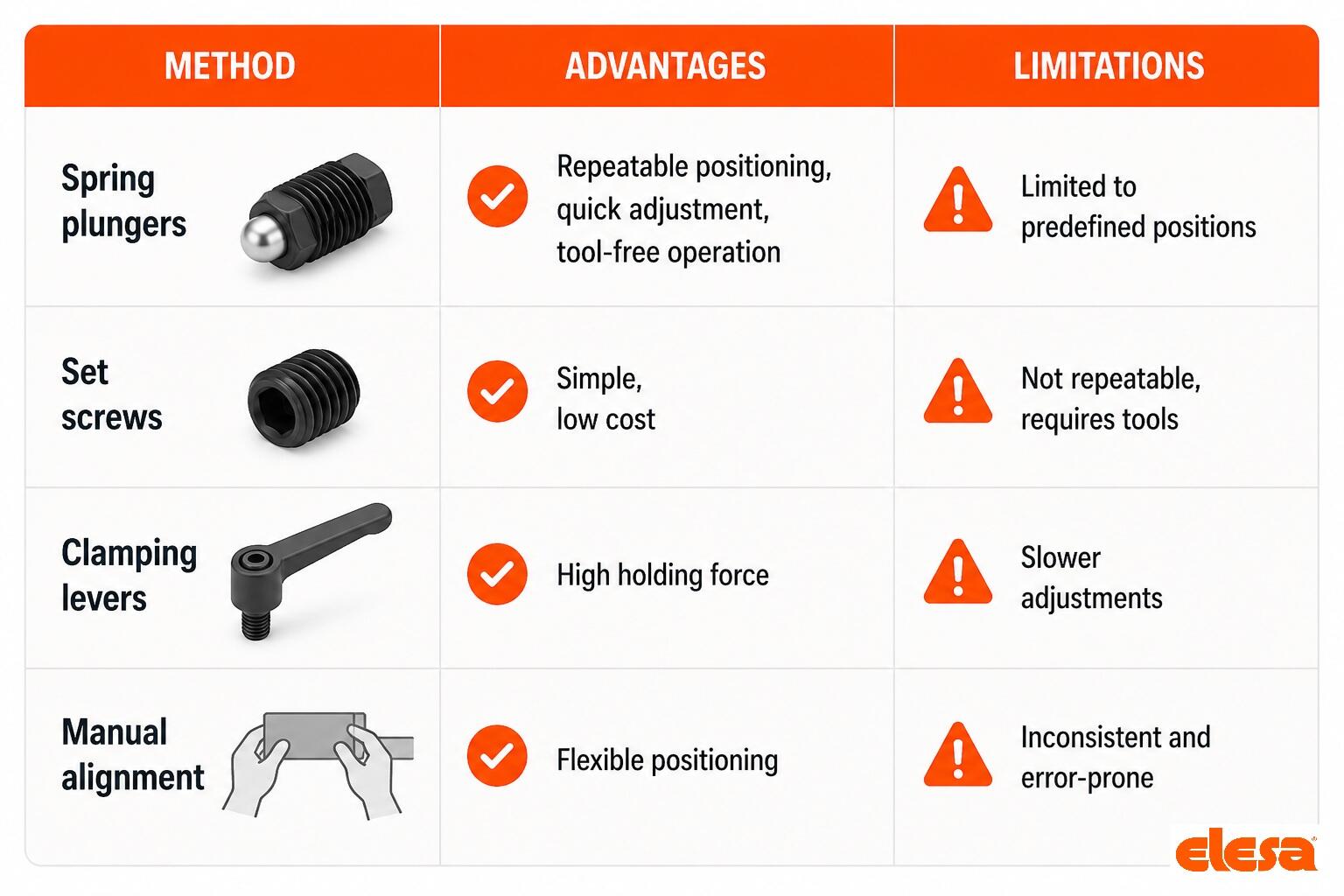
In many applications, components need to be repositioned regularly, whether for adjustments, format changes, or user setup. When those positions rely on visual alignment or manual estimation, consistency becomes difficult to maintain.
Over time, even small variations can lead to misalignment, reduced performance, or operational issues like jamming, uneven spacing, or instability. Frequent adjustments without a reliable reference point introduce variability, making repeatability one of the biggest challenges in both industrial and everyday setups.
What Are Spring Plungers and Why Are They Used?
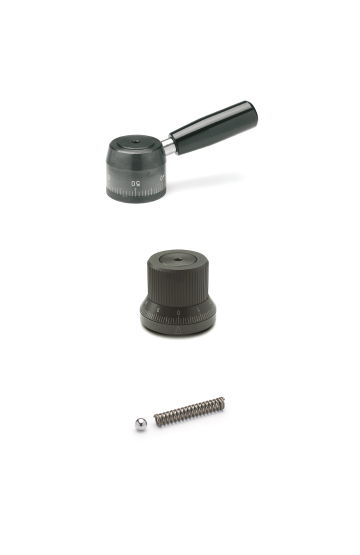
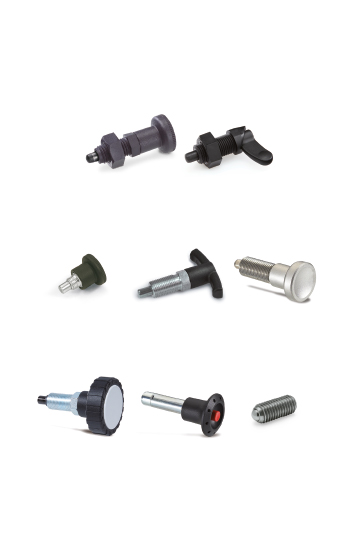
A spring plunger is a positioning component designed to provide secure, repeatable engagement between moving parts. It consists of a spring-loaded pin that automatically engages into a corresponding hole or detent position.
Spring plungers are used to:
- Lock components into predefined positions
- Ensure consistent alignment during repeated adjustments
- Provide quick, tool-free positioning
They are commonly found in:
- Machinery adjustments
- Positioning systems
- Safety mechanisms
- Adjustable equipment
At their core, spring plungers remove guesswork, turning manual positioning into a precise and repeatable process.
How Spring Plungers Work for Repeatable Positioning
The functionality of a spring plunger is simple but highly effective.
- A spring-loaded pin remains under constant pressure
- When aligned with a hole or detent, the pin automatically engages
- Pulling or retracting the plunger allows repositioning
- Releasing it locks the component back into the next fixed position
This mechanism ensures that each position is not only secure but also repeatable - returning to the exact same location every time.
Because the engagement is mechanical and not visual, it removes variability and improves accuracy across repeated adjustments.
Where Spring Plungers Improve Accuracy and Consistency
In environments where adjustments happen frequently, repeatability becomes critical.
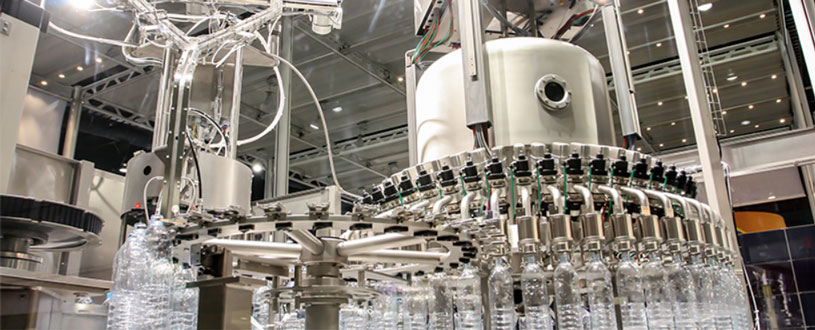
In a bottling facility, for example, conveyor guide rails are often repositioned multiple times a day to accommodate different product sizes. When operators rely on visual alignment, even small inconsistencies can lead to jams or uneven spacing. By integrating spring plungers, fixed detent positions are established along the rail. Each adjustment clicks into place, ensuring consistent spacing every time and helping maintain smooth operation throughout production.
The same principle applies in high-performance home setups. In a premium home gym, adjustable power racks require safety stops to be positioned accurately for each workout. With spring plungers, those stops lock into the same secure position every time. This not only improves convenience but also adds confidence and safety - especially under heavy impact loads.
Spring plungers stand out by combining speed, simplicity, and repeatability, making them ideal for applications where positions need to be reset frequently and accurately.
Key Design Considerations for Spring Plungers
When selecting a spring plunger, consider:
- Pin diameter and engagement depth: ensures secure positioning
- Material selection: corrosion resistance and durability
- Load requirements: mechanical forces applied during use
- Environment: exposure to moisture, vibration, or contaminants
- Actuation type: pull ring, knob, or standard pin design
Choosing the right configuration ensures consistent performance and long-term reliability.
Explore Spring Plunger Solutions for Repeatable and Reliable Positioning
Looking to improve consistency and eliminate guesswork in your adjustments? Elesa spring plungers provide a simple, effective way to achieve precise, repeatable positioning across a wide range of applications. Whether you're optimizing production equipment or refining adjustable setups, on Elesa’s website you’ll find solutions designed for durability, ease of use, and dependable performance. Explore available options, technical details, and CAD models to find the right fit for your application.