

San - Antimicrobial
Close
Aug 10, 2026
Reading time: minutes
In modern manufacturing and high-precision workshops, setup accuracy is directly linked to operational efficiency. Whether configuring industrial production lines or dialing in workshop machinery, operators frequently need to make manual spindle or shaft adjustments. However, relying purely on operator estimation or coarse visual scales often leads to a common engineering bottleneck: inconsistent adjustments, setup errors, and costly material scrap.
To eliminate this variability, integrating a dedicated measurement reference is essential. Selecting the ideal position indicator provides an immediate, highly visible readout that replaces guesswork with mathematical precision. But when choosing between a traditional mechanical display and a modern electronic digital system, engineers and equipment designers must evaluate several factors: environmental conditions, shaft rotation speeds, and the level of automation required.
Many rotatable control shafts and lead screws require multiple turns to move a carriage, guide rail, or tool head to the correct coordinate. Without a reference, operators are forced to manually count turns or rely on basic ruler scales. This setup style introduces significant issues:
By mounting position indicators directly onto the adjustment shafts, you establish a repeatable, high-accuracy coordinate reference. This problem-solution approach lies at the heart of how standard machine parts are developed under the Elesa designed to perform philosophy - engineering out human error so machines can perform at their highest efficiency.
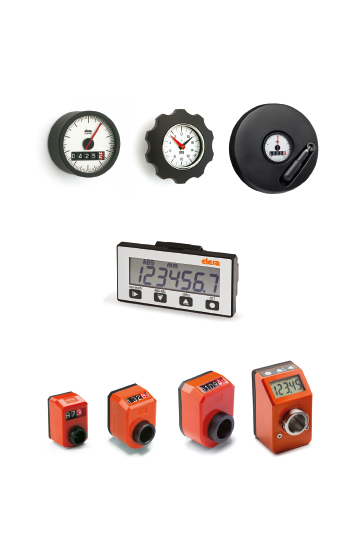
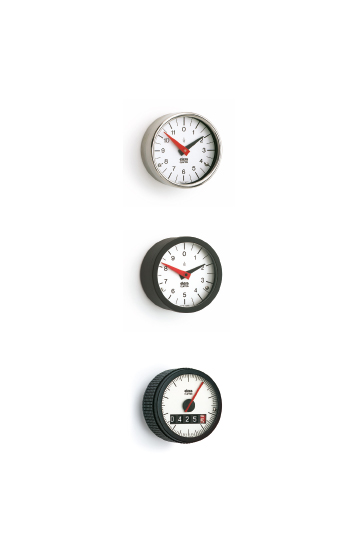
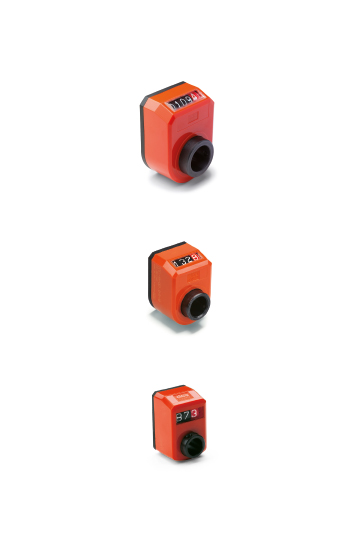
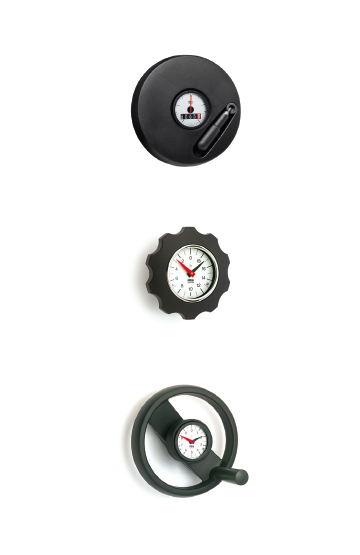
For environments that require a dependable, zero-power readout, a mechanical position indicator remains the industry workhorse. These direct-drive gear-based counters translate shaft rotations into a highly legible numerical roller display.
Because they operate completely without batteries or external wiring, mechanical position indicators are completely immune to electrical interference or power interruptions. They are designed to withstand heavy physical impacts, oil exposure, and dust.
In workshops where tools must be repositioned constantly, these indicators excel. For instance, a woodworker frequently adjusting the cutting height on a router table or thickness planer faces a constant struggle for repeatability. Without a calibrated reference, returning to a previous cut depth requires multiple test cuts, wasting valuable time and raw wood. By mounting a mechanical direct-drive counter onto the spindle, the operator can view the exact height setting and return to it instantly with absolute confidence, achieving clean, repeatable results every single time.
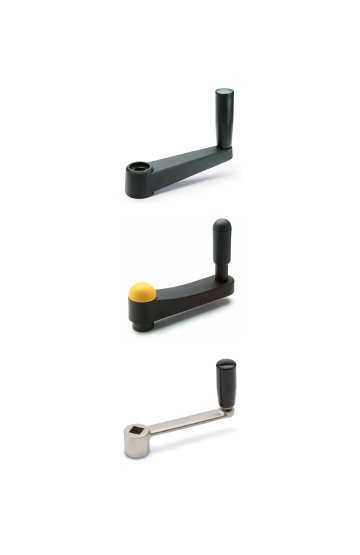
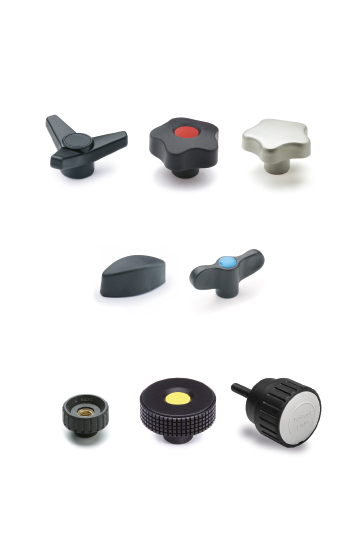
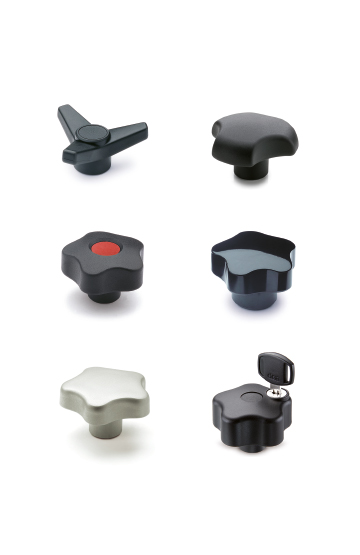
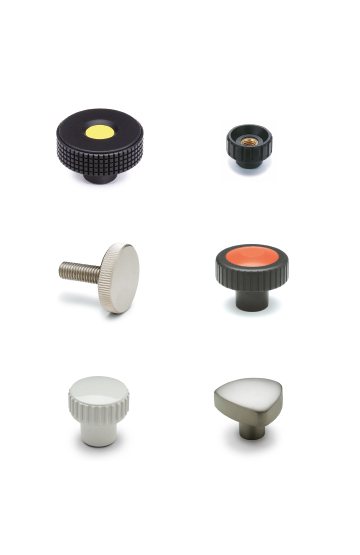
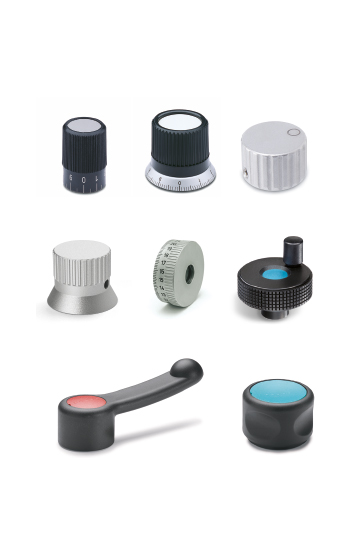
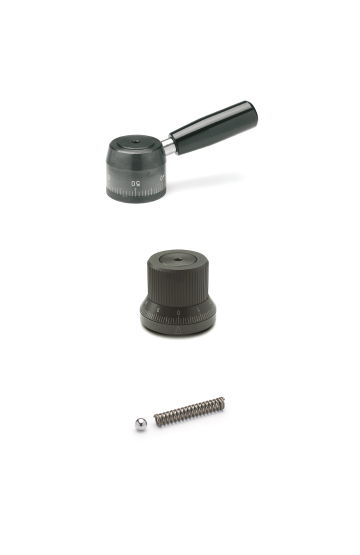
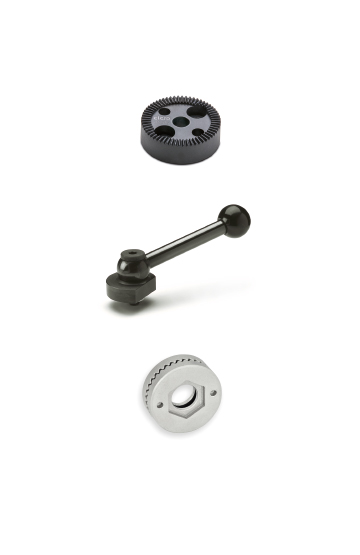
For hand-operated adjustment shafts, these indicators can be paired with dedicated handwheels for position indicators or specialized knobs, creating an integrated, ergonomic tuning assembly. Depending on the spindle orientation, designers can choose between direct-drive units, gravity position indicators (for horizontal shafts), or positive drive position indicators (which function flawlessly on shafts oriented at any angle).
When applications demand ultra-fine resolution, absolute clarity, or communication with a central controller, an electronic position indicator represents the pinnacle of modern adjustment technology.
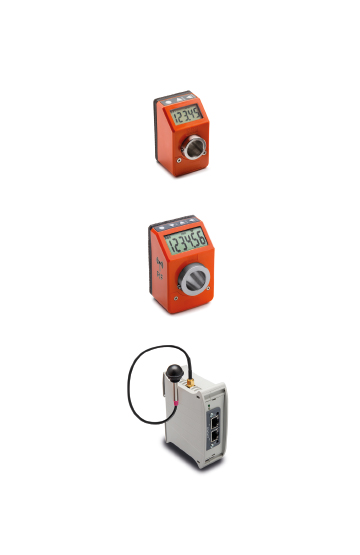
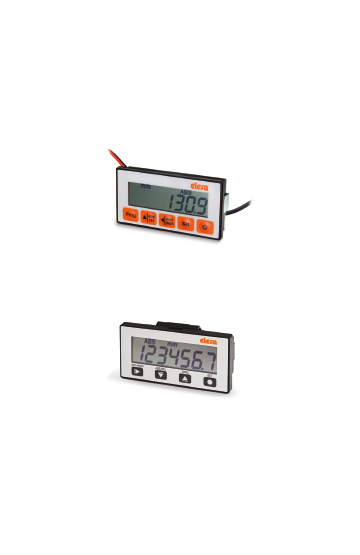
Also referred to as an electronic position indicator, these smart components utilize internal microprocessor-based sensors to display absolute coordinates on high-visibility LCD screens. They are particularly valuable for high-speed, multi-format industrial machinery, such as labeling and packaging equipment.
In industrial labeling lines, operators must frequently "dial in" specific heights manually to accommodate varying container profiles. Any misalignment leads to skewed labels, wrinkled applications, and rejected batches. Utilizing electronic position indicators allows operators to view exact height settings down to decimal millimeters, completely eliminating human reading errors.
Furthermore, advanced electronic position indicators can be integrated into a smart network via wireless radio frequency (RF) or serial data cables. This allows the system to verify that every shaft on a machine has been set to the correct target parameter before a new production run can begin, preventing startup accidents and guaranteeing 100% setup repeatability.
Selecting the correct model depends on balancing your operational complexity against your environmental demands:
No matter your choice, integrating these indicators improves setup speed, minimizes operator error, and significantly boosts overall equipment effectiveness.
At Elesa, we make it easy for engineers to transition from initial concept to physical assembly. Through our comprehensive online catalog, designers can quickly configure specific indicator ratios, review full technical data, and check real-time stock availability.
To streamline your development process, Elesa provides free 3D CAD downloads for all position indicators and matching handwheels. This allows you to drag-and-drop precise models directly into your machine assemblies, ensuring a perfect fit and faster time-to-market.
Visit the Elesa store today to explore our full-service positioning solutions, download CAD files, or request a custom quote from our support experts.