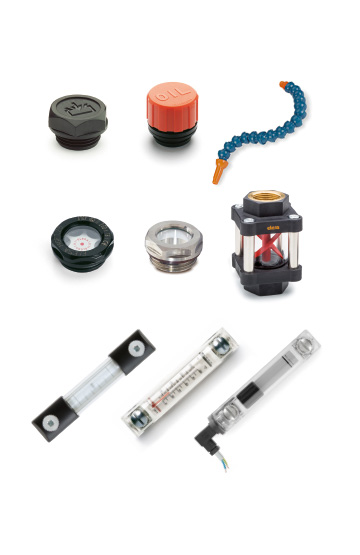
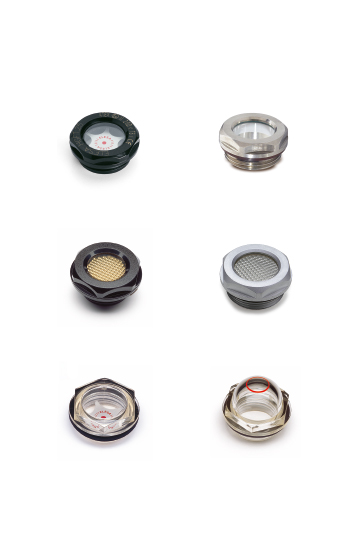
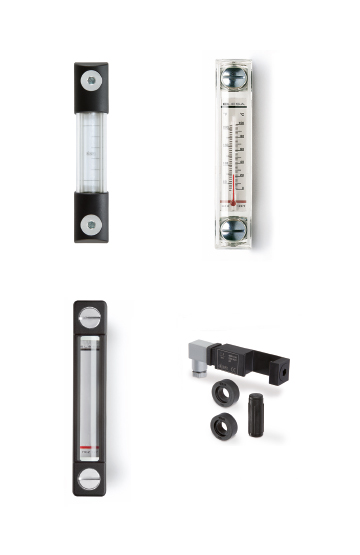
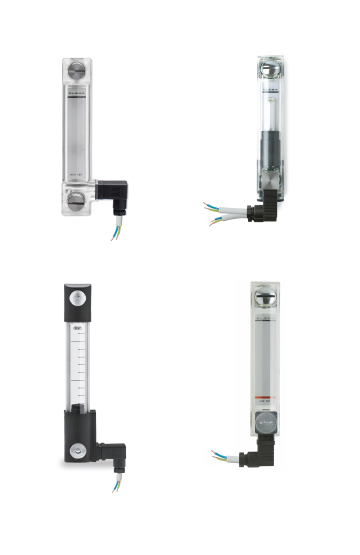
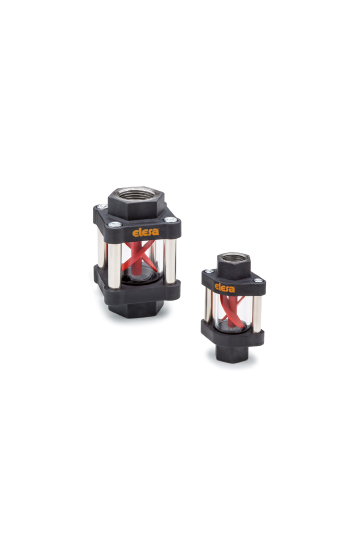
The Benefits of Visual Flow Indicators
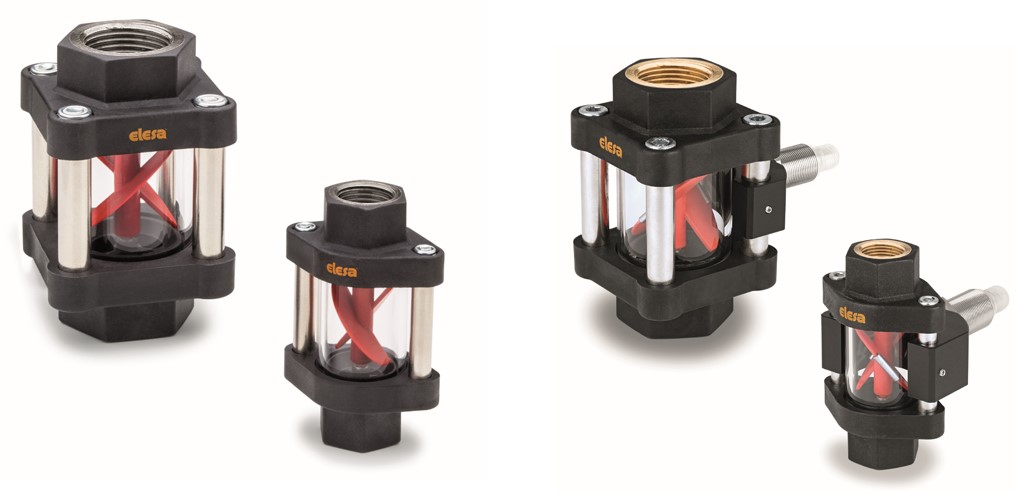
Visual flow indicators offer several benefits, including:
- Real-time monitoring: Visual flow indicators provide an instantaneous view of fluid movement, empowering operators to promptly identify anomalies, blockages, or irregularities that could impede processes.
- Diagnostic efficiency: The transparent nature of these indicators facilitates swift troubleshooting, enabling rapid decision-making and reducing downtime.
- Process optimization: By visualizing fluid behaviour, engineers can fine-tune systems for enhanced efficiency, reduced energy consumption, and optimized resource utilization.
- Safety enhancement: Visual flow indicators contribute to safety protocols by granting visual cues about fluid movement and potential obstructions, minimizing risks and safeguarding personnel.
- Quality assurance: The ability to directly observe fluid flow ensures adherence to quality standards and regulatory requirements, bolstering the production of consistent and high-quality products.
- Environmental responsibility: Visual flow indicators aid in the early detection of leaks or inefficiencies, preventing potential environmental contamination and promoting sustainable practices.
 Applications of Visual Flow Indicators
Visual flow indicators are used in a variety of industries, including:
- Chemical processing: Visual flow indicators are used to monitor fluid movement, ensure precise dosing, and prevent reactions in chemical manufacturing processes.
- Oil and gas: Visual flow indicators are used to verify fluid flow, detect blockages, and ensure safety in pipelines and refineries.
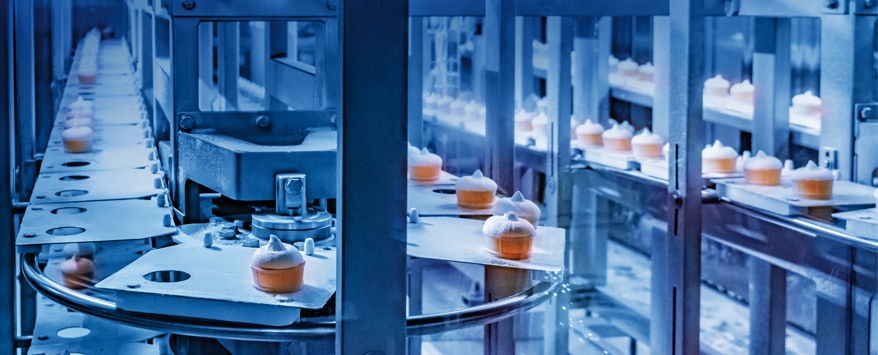
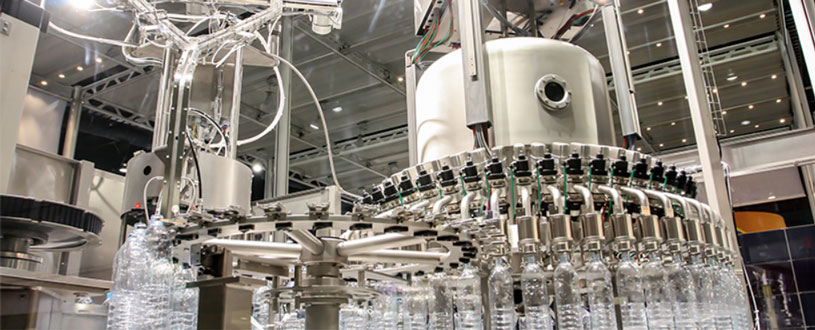
- Food and beverage: Visual flow indicators are used to monitor ingredient flow, ensure consistency, and adhere to stringent hygiene standards.
- Pharmaceuticals: Visual flow indicators are used to observe fluid mixing and reaction progress, maintain product integrity, and adhere to regulatory guidelines.
- Manufacturing: Visual flow indicators are used to optimize lubrication, coolant, and fluid circulation within machinery for seamless operations.
- Water treatment: Visual flow indicators are used to monitor water flow, ensure efficient treatment processes, and minimize wastage.
- Energy production: Visual flow indicators are used to track coolant and fluid flow in energy generation facilities for optimal performance.
Choosing the Right Visual Flow Indicator
When selecting a visual flow indicator, it is important to consider the following factors:
- Material compatibility: Ensure the indicator's materials are compatible with the fluids and conditions of your application.
- Pressure and temperature: Verify that the indicator can withstand the pressure and temperature ranges of your system.
- Visibility: Opt for indicators that offer clear visibility based on the fluid's properties and opacity.
- Maintenance: Choose indicators that are easy to clean and maintain, prolonging their lifespan and usability.
Visual flow indicators are a valuable tool for a variety of industries. They provide real-time visual feedback that can be used to improve efficiency, safety, quality, and environmental protection. When selecting a visual flow indicator, it is important to consider the specific requirements of the application, contact us today for more information