
San - Antimicrobial
Close


78711-R,20
78710-R,10
78712-R,50
Nov 23, 2026
Author: Alvin Wilhelm
Reading time: minutes
Manual adjustments are a fundamental part of daily operations across industrial facilities, medical environments, and precision equipment setups. Whether positioning a diagnostic bed or fine-tuning delicate optical equipment, operators rely on manual controls to lock settings quickly and accurately. However, low-quality control knobs frequently fail under repetitive stress. Subpar plastics crack, threaded metal inserts strip under high clamping torque, and unergonomic shapes cause operator hand fatigue, leading to loose settings and compromised accuracy.
Selecting high-performance clamping knobs equipped with ergonomic lobe or star profiles and reinforced metal inserts solves these failure modes. By distributing clamping force evenly and offering a comfortable, slip-resistant grip, engineered hand knobs ensure reliable holding power, precise control, and long-term mechanical durability.
Standard commercial knobs often prioritize low initial cost over material integrity. In demanding environments, these budget components introduce several operational risks:
Upgrading to industrial-grade plastic clamping knobs with molded-in steel or stainless steel inserts eliminates these failure points while improving tactile feedback.
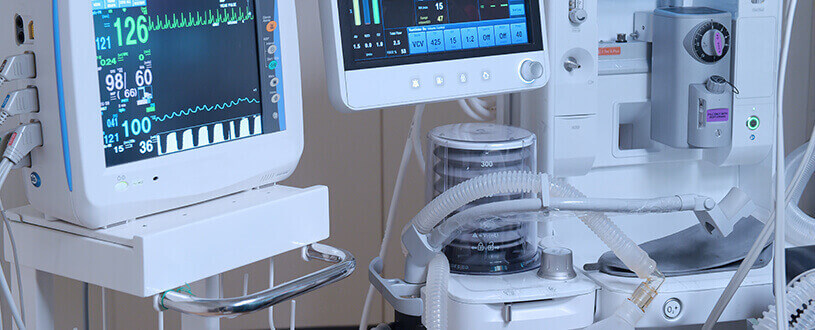
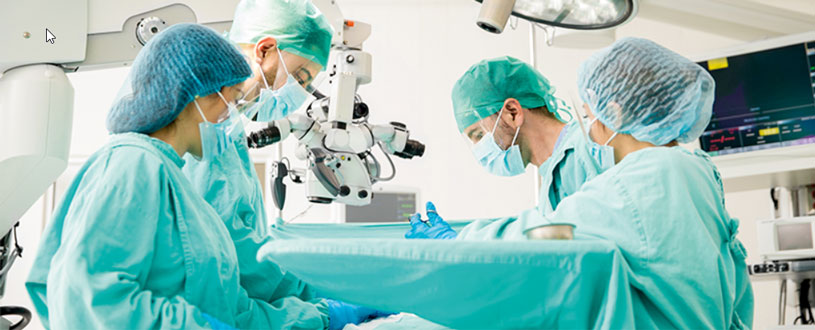
In clinical and diagnostic environments, medical imaging tables and patient positioning equipment require smooth, dependable adjustments. Technicians frequently adjust table tilt, headrest height, and auxiliary support arms between patient procedures.
When equipment manufacturers rely on low-quality adjustment knobs, the high clamping torque required to secure heavy cantilevered table sections can strip internal threads. A stripped or slipping knob creates a direct patient safety hazard and disrupts clinical workflows.
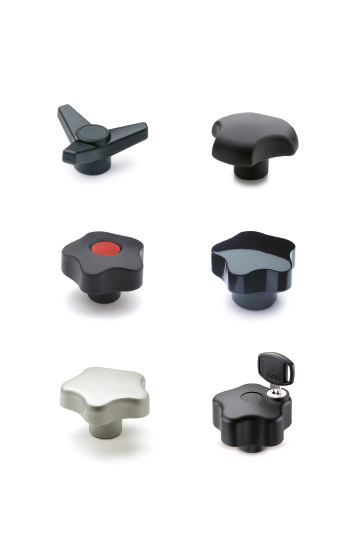
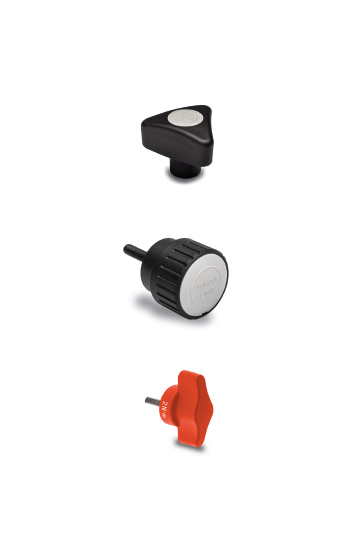
Using specialized clamping knobs and thumb screws with AISI 304 stainless steel inserts provides a robust solution. The ergonomic star or lobe shape allows medical technicians to apply firm clamping pressure without hand strain or glove slippage. Furthermore, smooth, cavity-free technopolymer surfaces resist aggressive hospital disinfectants, ensuring easy sanitization and sterile operation across thousands of procedure cycles.
High-precision optical tracking—such as amateur and professional astronomy setups—demands absolute mechanical stability. During long-exposure astrophotography, a telescope mount must hold its azimuth and altitude positions without microscopic drift or backlash.
Standard hardware knobs can vibrate loose or require constant readjustment as ambient temperatures shift overnight. Excessive force applied to a poorly designed knob can also induce unwanted frame flex or strip the adjustment screw.
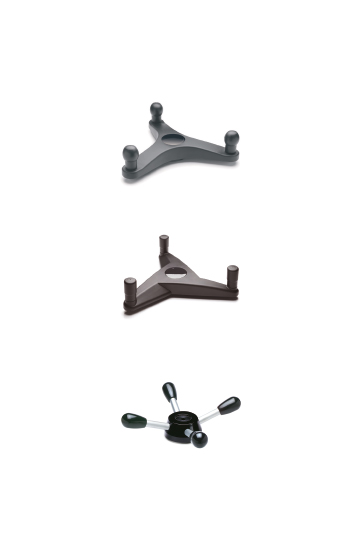
Integrating ergonomic 3-lobe knob controls or star-shaped lobe knobs enables smooth, incremental clamping. The three-lobe geometry gives the user high mechanical leverage, allowing precise finger-tip adjustments even while wearing cold-weather gloves. Once locked, high-strength brass or stainless steel inserts maintain consistent thread engagement, holding the telescope rock-steady throughout long optical exposures.
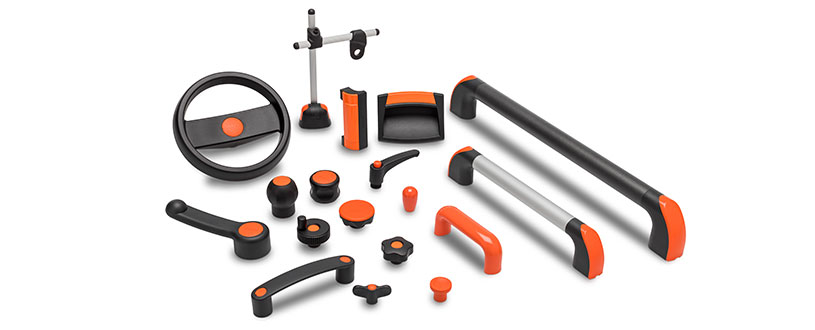
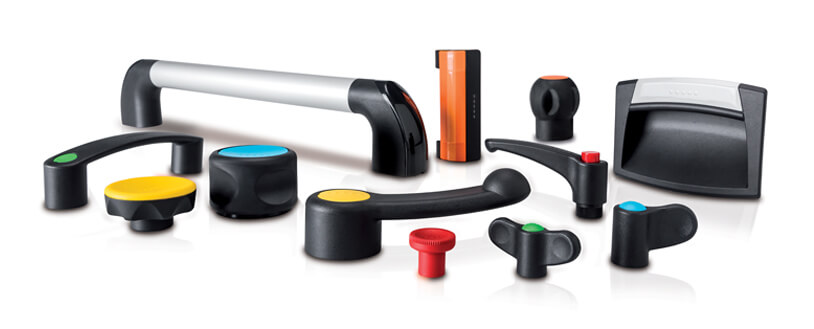
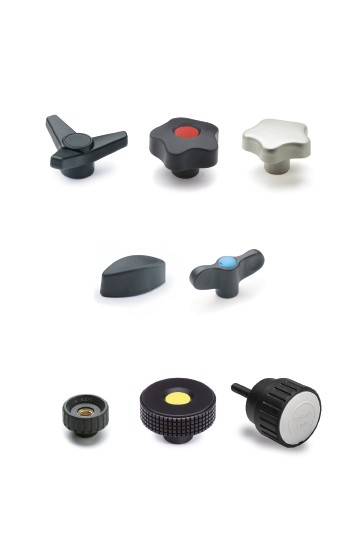
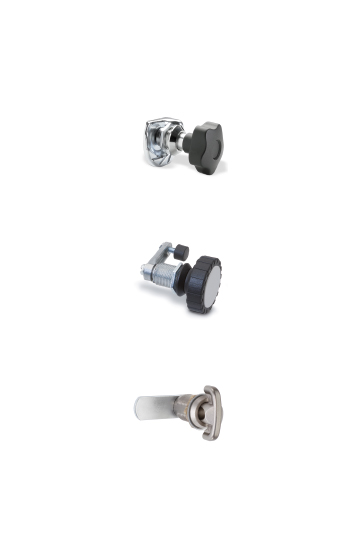
At Elesa, we design hand controls that combine mechanical performance with human-centered ergonomics. Our extensive line of elesa knobs features high-resistance technopolymers, soft-touch coatings, and precision-machined inserts in zinc-plated steel, brass, and stainless steel.
Whether equipping advanced medical diagnostic systems, industrial processing machinery, or precision optical mounts, specifying Elesa control components ensures smooth operation, maximum operator safety, and reliable clamping power.
Explore our complete online catalog to compare technical specifications, check real-time stock, and download 3D CAD models for your design integration.

Sign up to receive the latest information on ELESA products and services.