
San - Antimicrobial
Close



78711-R,20
78710-R,10
78712-R,50
Jun 16, 2026
Author: Alvin Wilhelm
Reading time: minutes
Springs are often expected to absorb energy, protect equipment, and help maintain smooth operation. However, traditional metal coil springs can struggle in applications where repeated impacts and shock loads are part of everyday operation.
Over time, continuous compression cycles can lead to fatigue, cracking, or even complete spring failure. In addition to wear, metal springs can transfer a significant amount of impact energy into surrounding structures, increasing stress on components, accelerating wear, and potentially shortening equipment lifespan.
Whether in industrial machinery or recreational equipment, uncontrolled shock loads can result in higher maintenance requirements, reduced reliability, and unnecessary downtime.
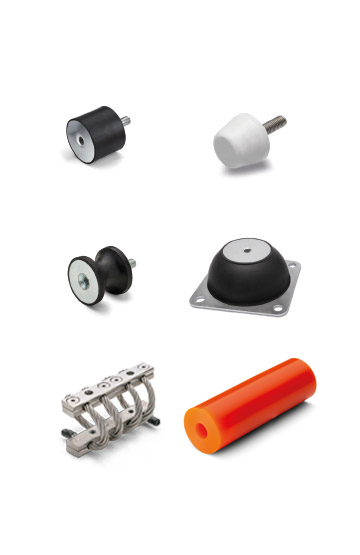
Polyurethane springs are engineered elastomer components designed to absorb and distribute impact energy more progressively than traditional metal springs. Rather than compressing and rebounding abruptly, they help manage loads smoothly, reducing peak forces transmitted through a system.
Elesa polyurethane springs are commonly used to:
Absorb impact and shock loads
Reduce vibration and noise
Protect equipment and tooling
Improve operational reliability
Extend component service life
Their combination of durability, resilience, and energy absorption makes them well suited for applications where repeated impacts are unavoidable.
Unlike metal coil springs, which typically have a more linear response, polyurethane springs provide progressive resistance as compression increases.
As impact loads are applied:
This progressive energy absorption helps create smoother operation while protecting equipment from repeated shock loading.
The result is a more controlled system that experiences less wear and fewer stress-related failures over time.
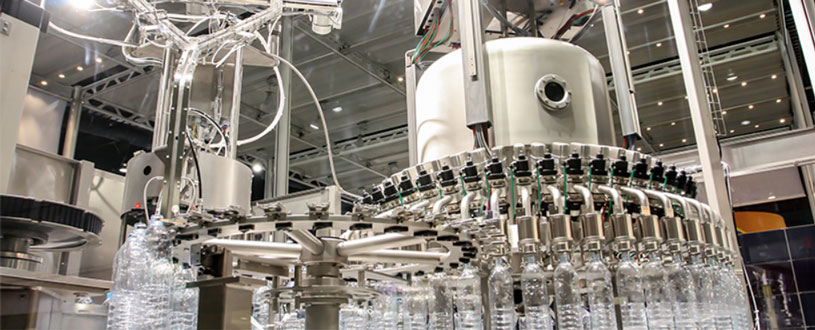
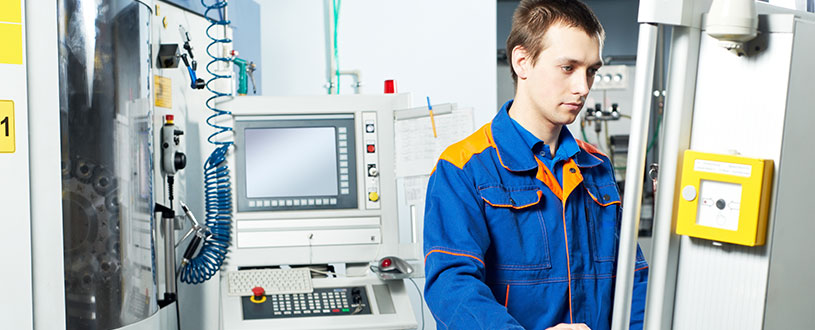
In manufacturing environments, repeated impacts can quickly take a toll on equipment. Consider a sheet-feeding system in a press operation where a feeder cycles against mechanical stops throughout the day. Traditional metal springs may eventually crack under constant loading, leading to maintenance interruptions and potential tooling damage.
By incorporating polyurethane springs, impact forces are absorbed more gradually, reducing stress on the feeder mechanism and surrounding tooling. The smoother energy distribution helps protect critical components, improve reliability, and extend service life - all while supporting more consistent operation.
The same benefits can be found outside industrial settings. Off-road enthusiasts often encounter harsh suspension impacts when navigating rough terrain. During extreme compression events, traditional bump-stop solutions can create abrupt chassis impacts. Replacing them with polyurethane springs allows energy to be absorbed progressively, helping soften bottom-out events while reducing stress on suspension components. The result is a more controlled ride and improved protection for the vehicle.
Selecting the right polyurethane spring depends on several factors:
Impact energy levels: expected shock loads and operating conditions
Compression requirements: amount of travel needed during operation
Environmental conditions: exposure to moisture, oils, or chemicals
Space constraints: available installation dimensions
Frequency of cycling: number of repeated compression events over time
By matching the spring characteristics to the application, designers can improve performance while reducing wear on surrounding components.
Looking for a better way to manage impact loads and protect critical equipment? Elesa polyurethane springs provide progressive energy absorption, helping reduce shock, minimize wear, and improve long-term reliability. Whether you're protecting industrial machinery from repeated impacts or improving performance in demanding recreational applications, you'll find durable solutions designed to support consistent operation. Explore technical specifications, application information, and CAD models on the Elesa website to find the right solution for your project.

Sign up to receive the latest information on ELESA products and services.