
Close


































































Why Oil Level Indicators Are Critical for Machine Performance and Safety
Mar 16, 2026
Reading time: minutes
It's easy to overlook something you can't see. In many machines, oil levels sit out of sight-until something goes wrong. By the time issues like low pressure, overheating, or unusual noise show up, damage may already be underway.
Without consistent monitoring, oil levels can gradually fall outside safe operating ranges. In demanding environments, that can lead to product defects, unexpected downtime, and costly repairs. What starts as a small oversight can quickly turn into a much bigger problem.
What Are Oil Level Indicators and Why Are They Important?
An oil level indicator is a simple but essential component that gives you real-time visibility into what's happening inside your system. Instead of guessing or relying on periodic checks, you can immediately confirm whether oil levels are where they should be.
Elesa offers:
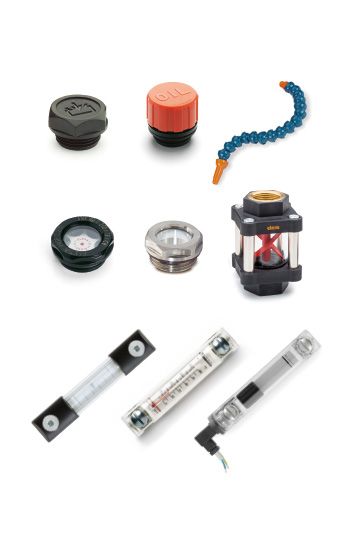
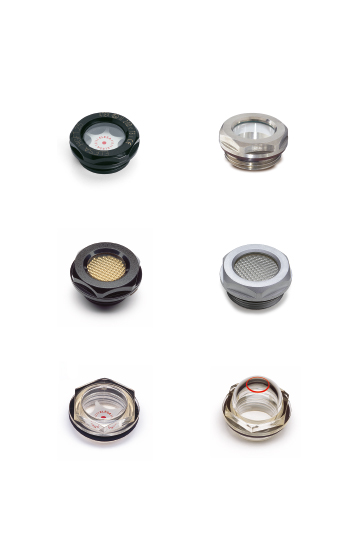
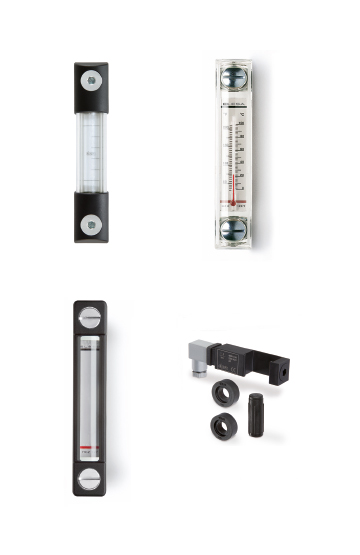
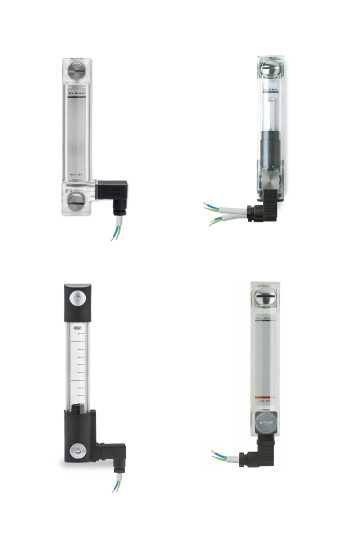
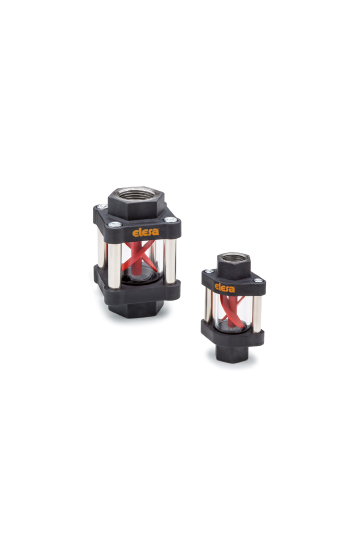
Oil sight indicators for quick visual checks
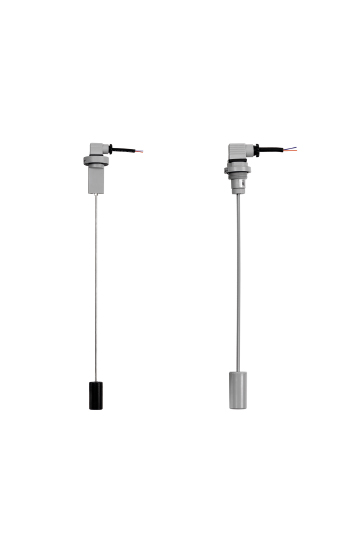
Electrical level indicators for signal-based monitoring and alerts
You'll find them used across:
- Hydraulic systems
- Gearboxes
- Industrial machinery
- Agricultural and mobile equipment
At their core, oil level indicators help remove uncertainty-making it easier to maintain performance and avoid preventable issues.
How Oil Level Indicators Work in Real Applications
The way an oil level indicator works is straightforward, but the impact is significant. With oil sight indicators, a transparent window or column shows the current fluid level at a glance. No need to stop the machine or open the system-just a quick visual check.
For more advanced monitoring, electrical level indicators use sensors to detect when oil reaches specific thresholds. If levels drop too low or rise too high, a signal is triggered, giving operators time to act before problems develop.
Some solutions also include temperature sensing, adding another layer of control by helping monitor both oil level and operating conditions at the same time.
Where Oil Level Indicators Make a Real Difference
In a 24/7 injection molding operation, even small changes in hydraulic oil levels can have a big impact. In one case, low oil levels weren't noticed until cavitation noise appeared-often a sign that damage had already started. By introducing Elesa oil level indicators with temperature sensing, operators gained continuous visibility into both oil level and system conditions. Instead of reacting to problems, they were able to prevent them-improving reliability, reducing scrap, and keeping production running smoothly.
The same idea applies on a smaller scale, too. When maintaining a compact tractor, getting the hydraulic oil level just right matters. Too much or too little can affect performance and wear. A clear, easy-to-read oil level indicator makes it simple to check levels accurately, helping extend pump life and making routine maintenance more straightforward.
Oil Level Indicators vs Other Fluid Monitoring Methods
Method | Advantages | Limitations |
| Oil level indicators | Continuous monitoring, easy to read | Requires installation |
| Dipsticks | Low cost | Manual checking, less precise |
| Sensor-only systems | Automated alerts | No visual confirmation
|
What makes oil level indicators stand out is their balance—they provide both visibility and reliability, especially when visual and electrical monitoring are combined.
Key Design Considerations for Oil Level Indicators
Choosing the right oil level indicator comes down to a few practical factors:
Environment: Will it face heat, vibration, or wash-down conditions?
Materials: Does it need corrosion resistance or specific durability?
Visibility: Can levels be clearly read in real working conditions?
Monitoring needs: Is visual feedback enough, or is signaling required?
Fluid compatibility: Are materials suited to the oil being used?
Thinking through these details helps ensure long-term performance and dependable operation.
Oil level indicators are often part of a larger system. Depending on the application, they may be used alongside:
- Temperature sensors
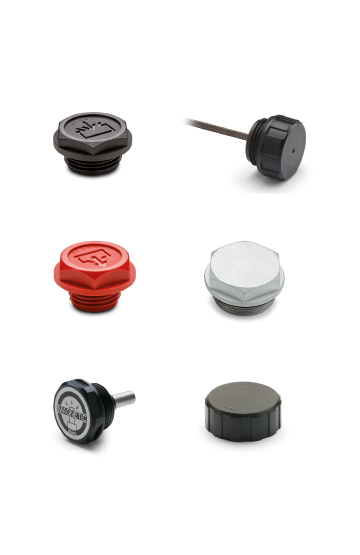
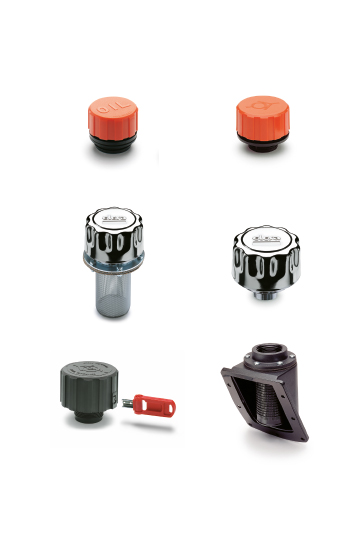
- Breathers and filler caps
- Sealing components
- Hydraulic system accessories
Together, these elements help create a more controlled, stable, and efficient setup.
Explore Oil Level Indicator Solutions for Reliable Fluid Monitoring
Looking for a better way to stay on top of your equipment's performance? Elesa oil level indicator solutions make it easy to monitor fluid levels, reduce risk, and keep systems running smoothly. Whether you need quick visual checks or integrated signal-based monitoring, you'll find reliable options designed for real-world conditions. Explore available configurations, technical details, and CAD models to find the right fit for your application.
