
Technical data
/
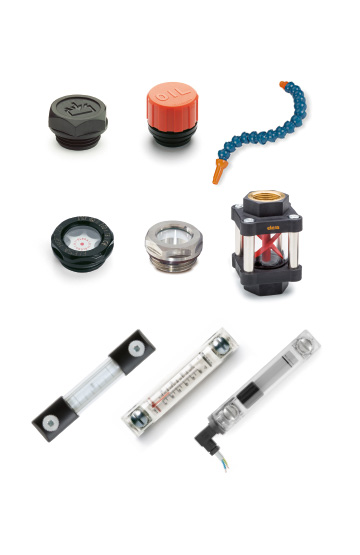
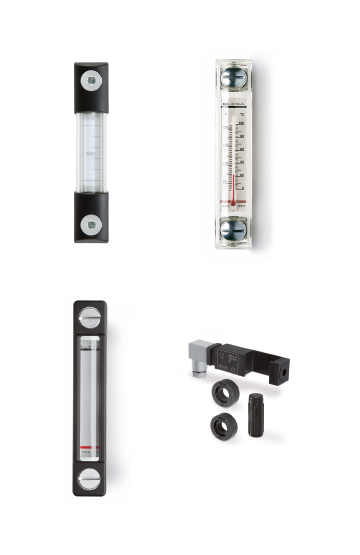
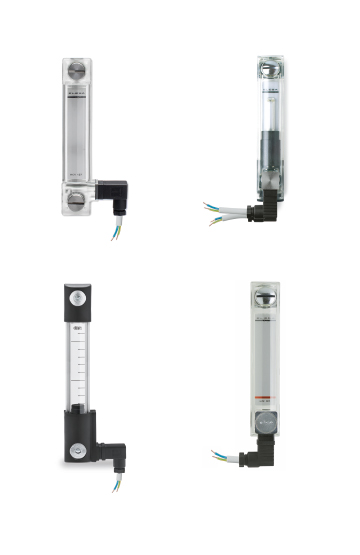
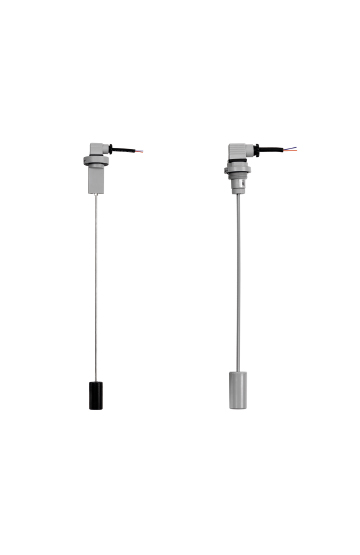
Electrical level indicators
/
Warnings for an effective protection of the reed switches
The electric features of the Reed switches, shown in the descriptive tables, are supplied by the manufacturers. For a Reed switch connection, it is recommended to pay a special attention to the type of load to which the switch is going to be connected. For their nature inductive, capacitive or lamp loads, may produce surges during operation. These surges may damage the Reed switch or drastically reduce its operating life.

-
General
-
1. Plastic materials
- 1.1 Mechanical strength
- 1.2 Thermal resistance
- 1.3 Strength and surface hardness
- 1.4 Resistance to chemical agents
- 1.5 Resistance to atmospheric agents and uv rays
- 1.6 Flame resistance
- 1.7 Electrical properties
- 1.8 Surface finish and cleanability
- 1.9 Compliance with international standards
- 1.10 Competence of elesa technical department
- 2. Metal materials
- 3. Other materials
- 4. Machining tolerances
- 5. Fixed handles
- 6. Assembly measures
- 7. Special executions
- 8. Colours
- 9. Test values
-
10. Technical tables
- 10.1 Conversion table
- 10.2 DIN 79 square holes
- 10.3 Keyways
- 10.4 Transversal holes
- 10.5 Threads
- 10.6 Ip – protection classification for cases
- 10.7 MVK – fixing the threads by self-gluing
- 10.8 PFB fixing threads by means of locking action
- 10.9 Stainless steels
- 10.10 Carbon steels, zinc alloys, alluminium and brass
- 10.11 Duroplasts: resistance to chemical agents
- 10.12 Tecnopolymers and rubbers: resistance to chemical agents
-
1. Plastic materials
- Adjustable levers
- Handle with pneumatic drive
- Graduations
- Rotary controls
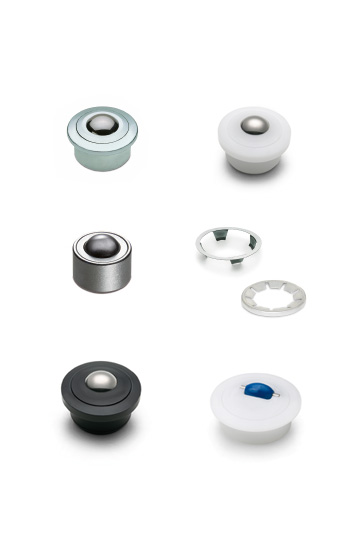
- Ball transfer units
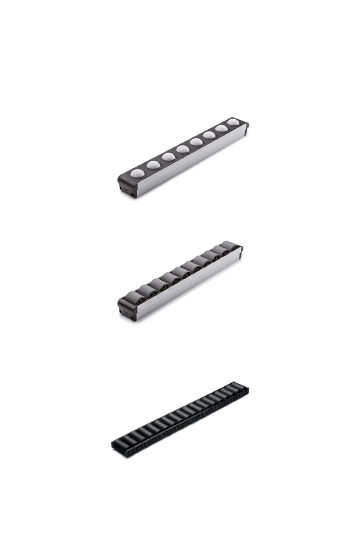
- Modular roller tracks
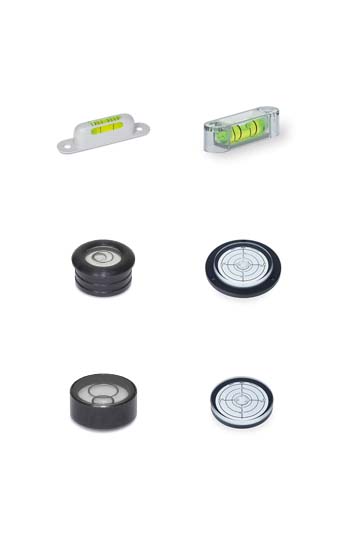
- Level bubbles
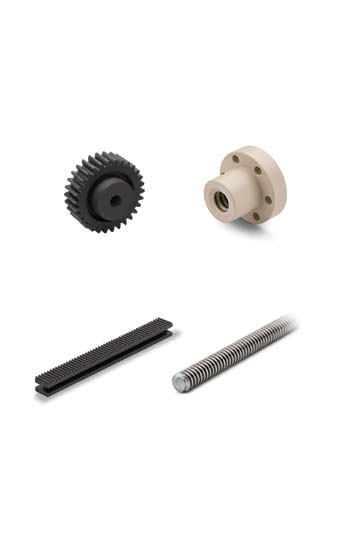
- Spur gears
- Rubber buffers
- High performance vibration dampers
- Elastomer springs
- Magnets
- Levelling feet
- Hygienic design
- Hinges
- Pneumatic fastening clamps
- Electrical level indicators
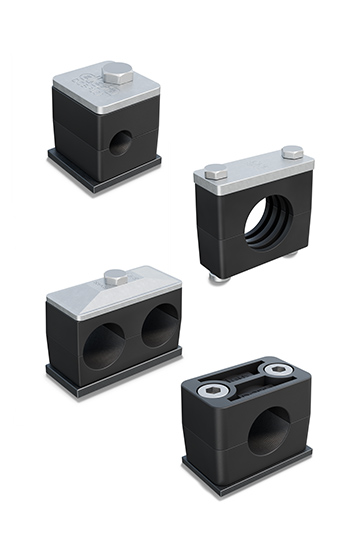
- DIN 3015 tube clamps
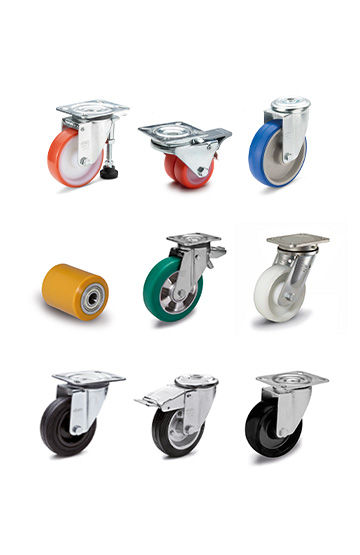
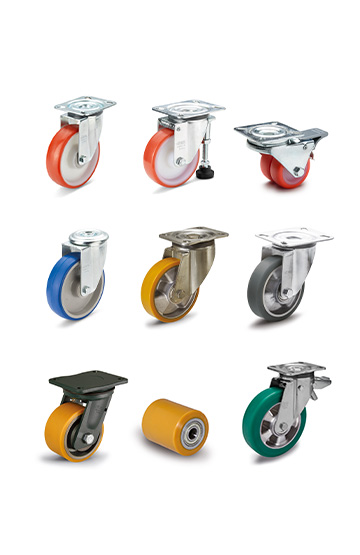
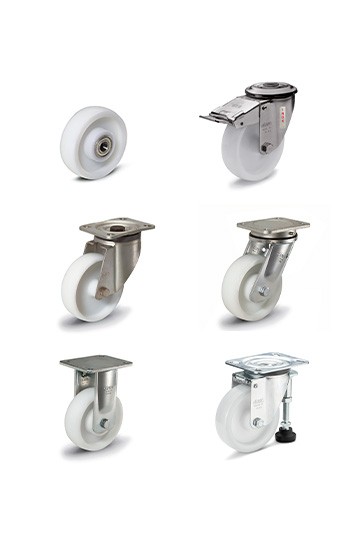
- Castors and wheels
- Vacuum components