Guidelines for the choice
Analysis of the static tests to select the appropriate vibration damper.
Basic data required:
- The static load applied to each vibration damping element (acting on each support point).
- Disturbing frequency to be reduced and the desired isolation percentage.
How to choose the vibration-damping element:
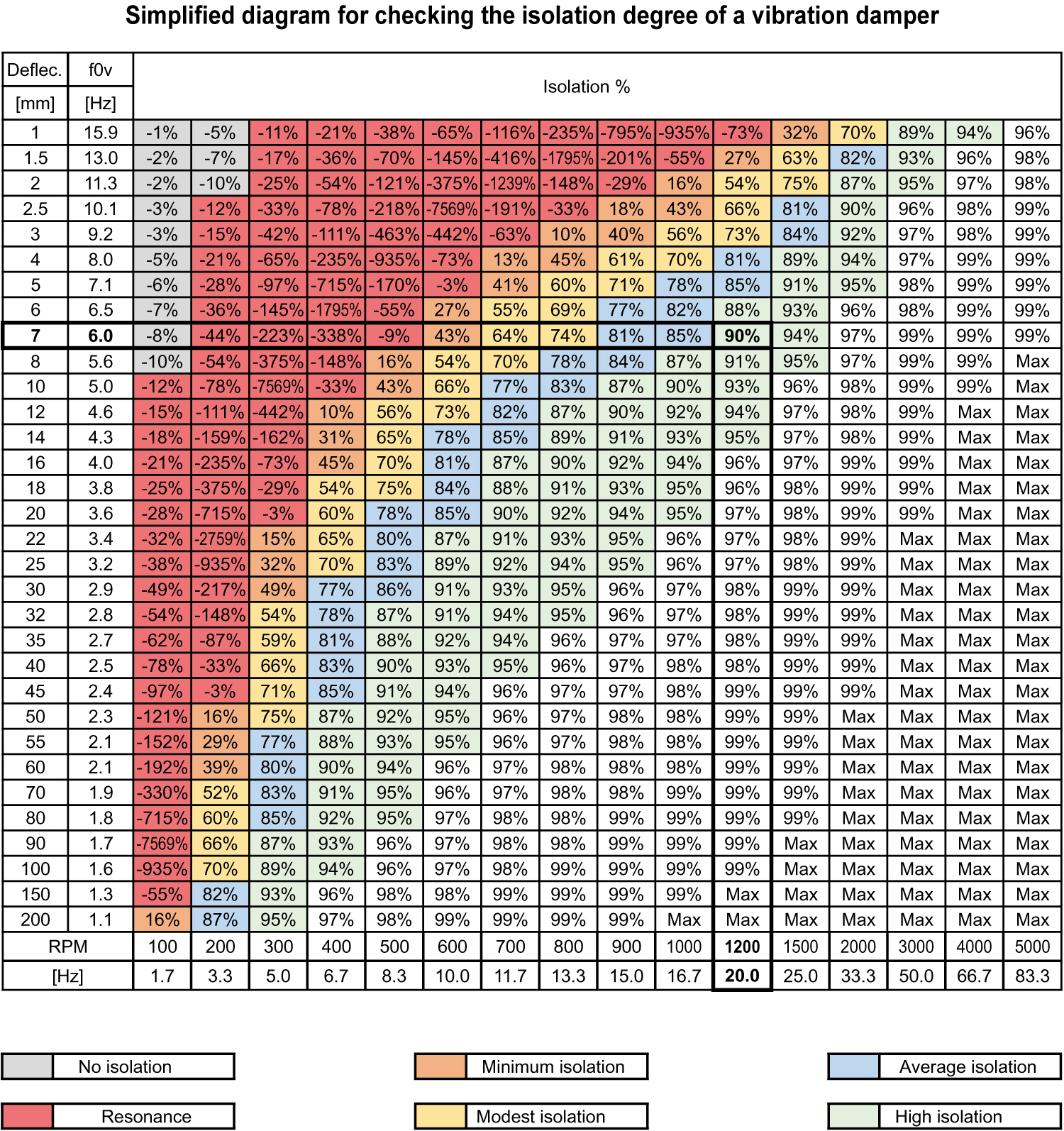
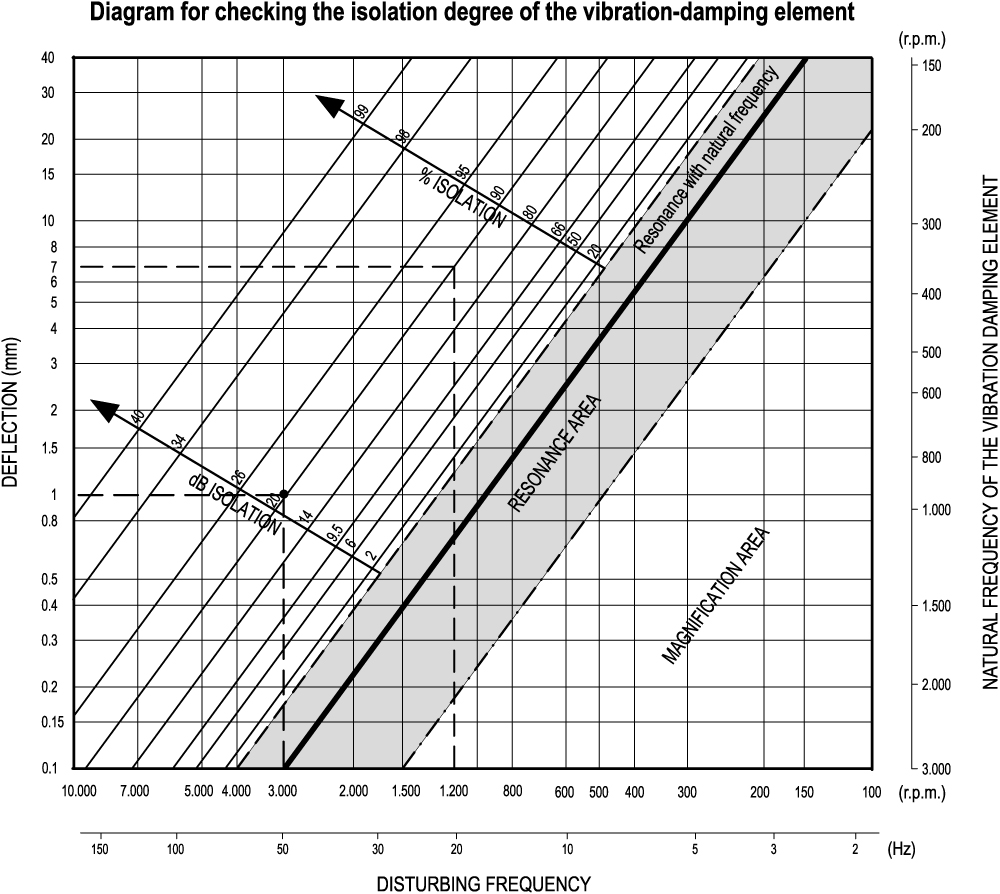
- With reference to the diagram for the check of the isolation degree, locate the corresponding static deflection required to obtain the desired isolation.
- Select the product with the required static deflection depending on acting load.
Example:
Consider an application with the following features:
- Static load on each support: 1400 N
- Frequency to be isolated: 1.200 rpm = 20 Hz
- Required isolation: 90% at 20 Hz
For vibration dampers without damping e.g. AVM, the following diagram for checking the isolation degree shows that a static deflection of at least 7 mm is required to obtain 90% isolation of the 20 Hz frequency, In case of damping, the isolation percentage may vary, it is advisable to contact the Elesa Technical Department.
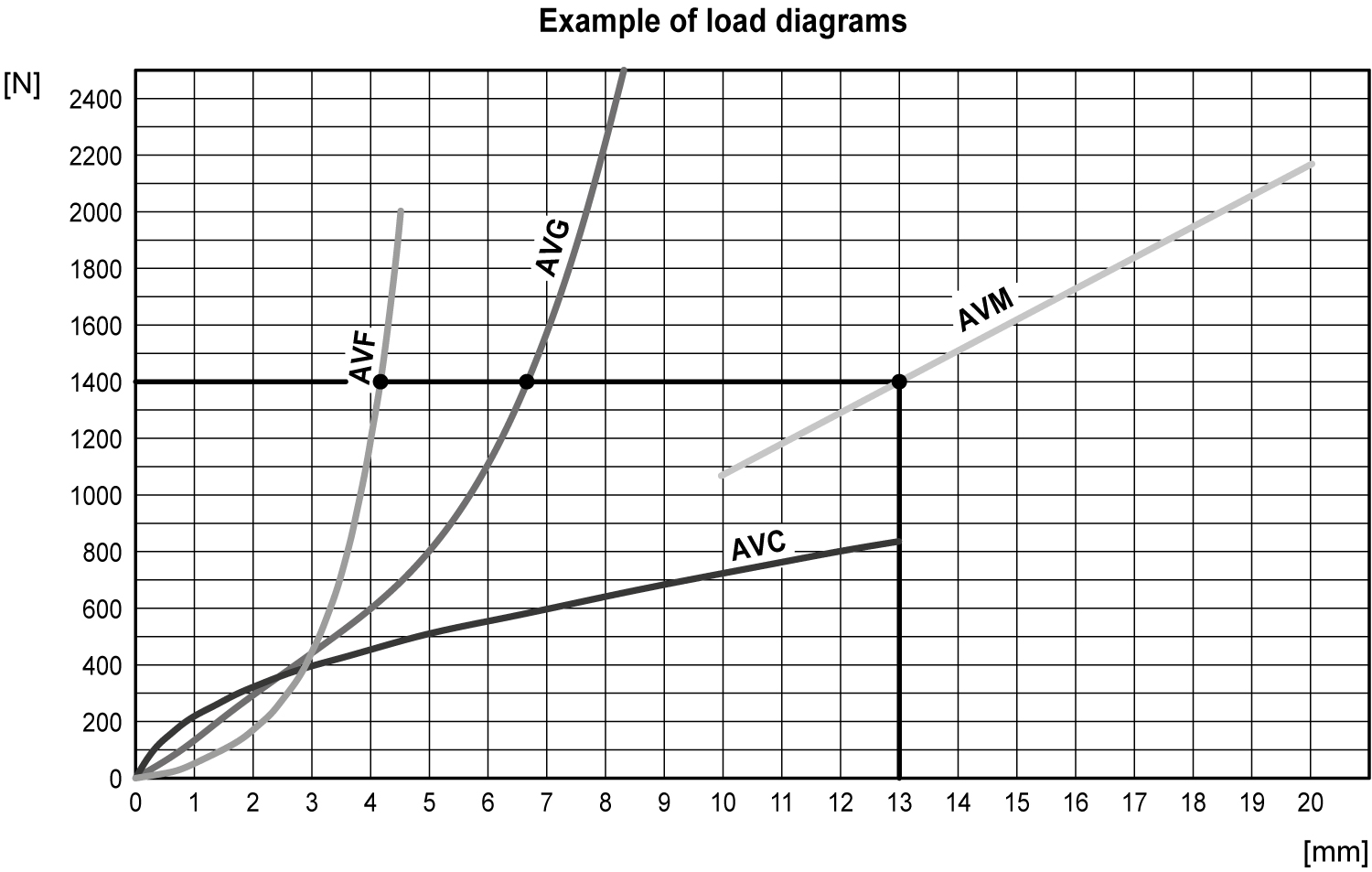
With reference to the graph below the products that intersect the 1400 N line are: AVF, AVG, AVM.
For the 1400 N load, the expected static deflections are:
- AVF: approximately 4 mm (< 7 mm) = approximately 80% isolation at 20 Hz
- AVG: 6.5 mm (< 7 mm) = approximately 88% isolation at 20 Hz
- AVM: 13 mm (> 7 mm) = approximately 95% isolation at 20 Hz
Consequently, the most suitable product with the best isolation degree is AVM.
-
General
-
1. Plastic materials

- 1.1 Mechanical strength
- 1.2 Thermal resistance
- 1.3 Strength and surface hardness
- 1.4 Resistance to chemical agents
- 1.5 Resistance to atmospheric agents and uv rays
- 1.6 Flame resistance
- 1.7 Electrical properties
- 1.8 Surface finish and cleanability
- 1.9 Compliance with international standards
- 1.10 Competence of elesa technical department
- 2. Metal materials
- 3. Other materials
- 4. Machining tolerances
- 5. Fixed handles
- 6. Assembly measures
- 7. Special executions
- 8. Colours
- 9. Test values
-
10. Technical tables
- 10.1 Conversion table
- 10.2 DIN 79 square holes
- 10.3 Keyways
- 10.4 Transversal holes
- 10.5 Threads
- 10.6 Ip – protection classification for cases
- 10.7 MVK – fixing the threads by self-gluing
- 10.8 PFB fixing threads by means of locking action
- 10.9 Stainless steels
- 10.10 Carbon steels, zinc alloys, alluminium and brass
- 10.11 Duroplasts: resistance to chemical agents
- 10.12 Tecnopolymers and rubbers: resistance to chemical agents
-
1. Plastic materials
- Adjustable levers
- Handle with pneumatic drive
- Graduations
- Rotary controls
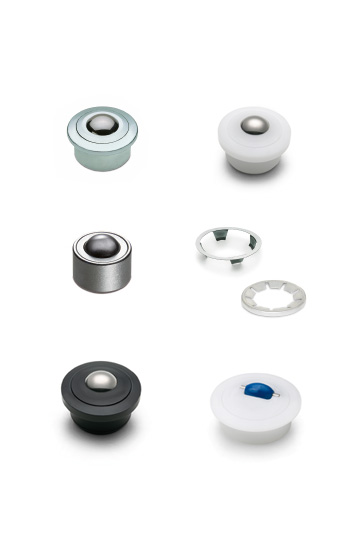
- Ball transfer units
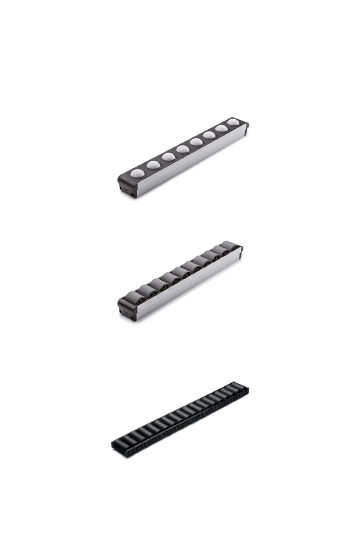
- Modular roller tracks
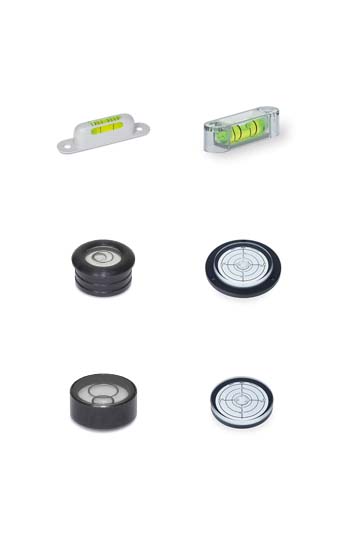
- Level bubbles
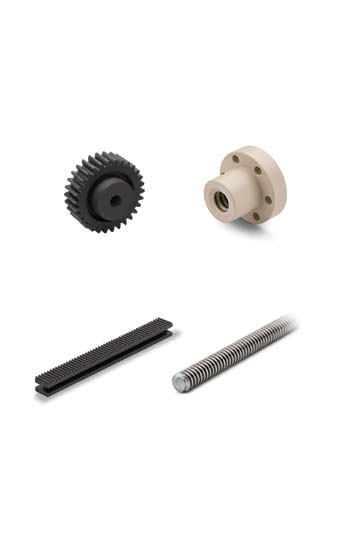
- Spur gears
- Rubber buffers
- High performance vibration dampers
- Elastomer springs
- Magnets
- Levelling feet
- Hygienic design
- Hinges
- Pneumatic fastening clamps
- Electrical level indicators
- DIN 3015 tube clamps
- Castors and wheels
- Vacuum components