2. Brackets
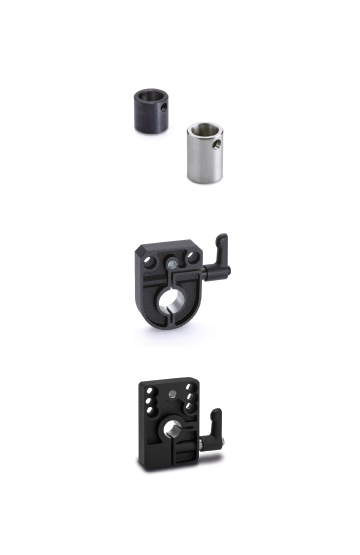
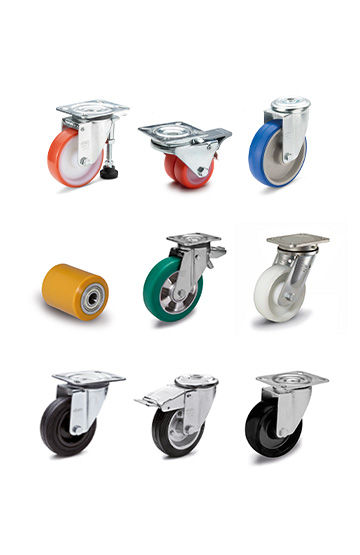
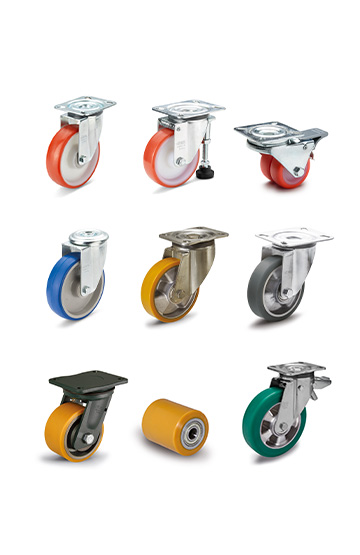
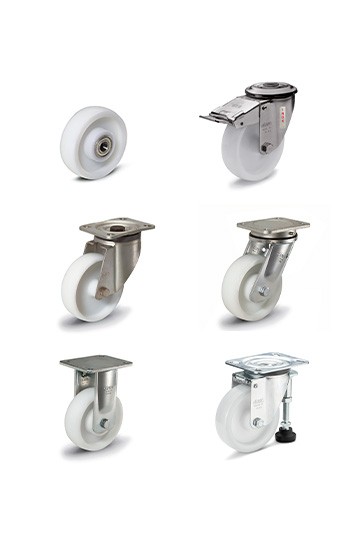
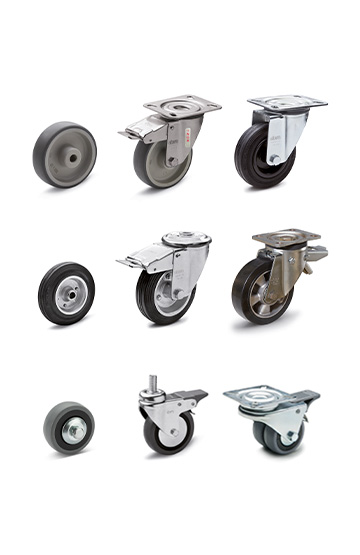
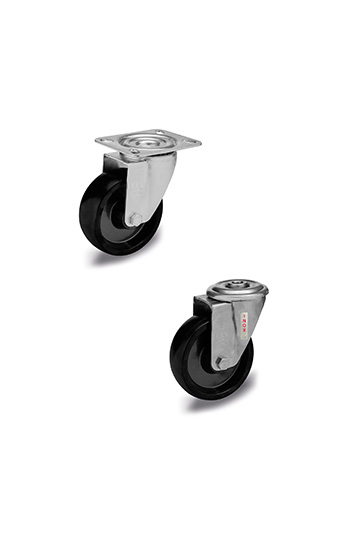
The bracket is the part that connects the wheel to the equipment. Normally, all wheels need a bracket to be applied to the equipment; an exception is made for wheels whose axle is built into the equipment. Brackets can be the swivel or the fixed type.
ELESA wheels are coupled to various types of bracket made out of zinc-plated steel sheet, AISI 304 stainless steel or electro-welded steel described in detail in the respective product data sheets.
The description of the brackets made out of steel sheet follows by way of example.

-
General
-
1. Plastic materials
- 1.1 Mechanical strength
- 1.2 Thermal resistance
- 1.3 Strength and surface hardness
- 1.4 Resistance to chemical agents
- 1.5 Resistance to atmospheric agents and uv rays
- 1.6 Flame resistance
- 1.7 Electrical properties
- 1.8 Surface finish and cleanability
- 1.9 Compliance with international standards
- 1.10 Competence of elesa technical department
- 2. Metal materials
- 3. Other materials
- 4. Machining tolerances
- 5. Fixed handles
- 6. Assembly measures
- 7. Special executions
- 8. Colours
- 9. Test values
-
10. Technical tables
- 10.1 Conversion table
- 10.2 DIN 79 square holes
- 10.3 Keyways
- 10.4 Transversal holes
- 10.5 Threads
- 10.6 Ip – protection classification for cases
- 10.7 MVK – fixing the threads by self-gluing
- 10.8 PFB fixing threads by means of locking action
- 10.9 Stainless steels
- 10.10 Carbon steels, zinc alloys, alluminium and brass
- 10.11 Duroplasts: resistance to chemical agents
- 10.12 Tecnopolymers and rubbers: resistance to chemical agents
-
1. Plastic materials
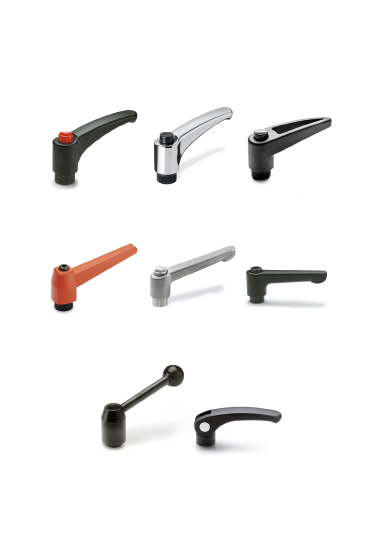
- Adjustable levers
- Handle with pneumatic drive
- Graduations
- Rotary controls
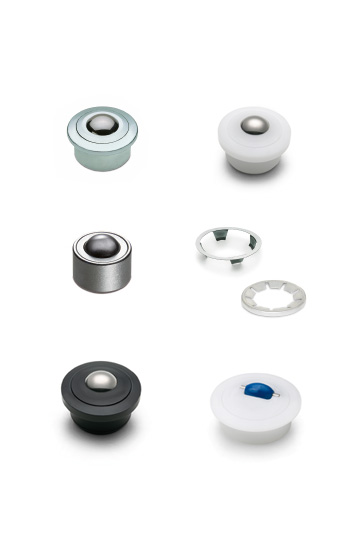
- Ball transfer units
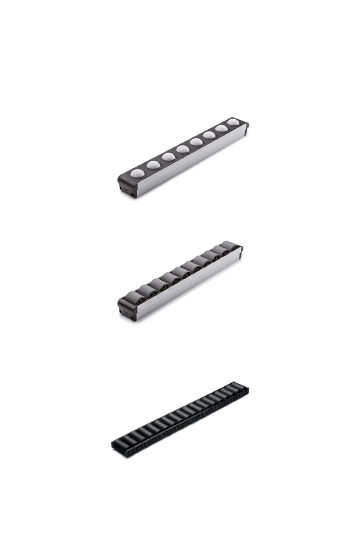
- Modular roller tracks
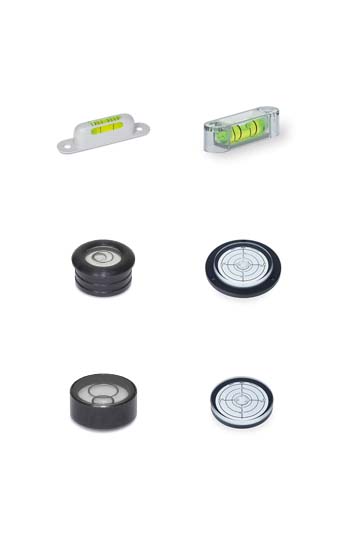
- Level bubbles
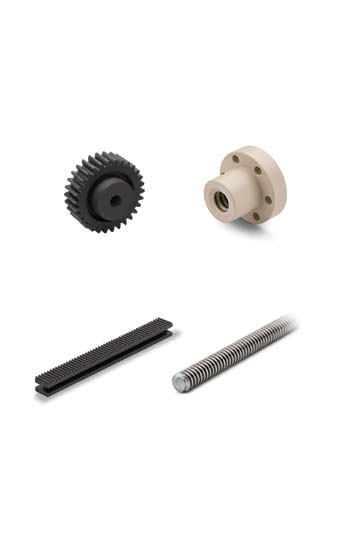
- Spur gears
- Rubber buffers
- High performance vibration dampers
- Elastomer springs
- Magnets
- Levelling feet
- Hygienic design
- Hinges
- Pneumatic fastening clamps
- Electrical level indicators
- DIN 3015 tube clamps
- Castors and wheels
- Vacuum components