

Lataa pdf
1.3 Strength and surface hardness
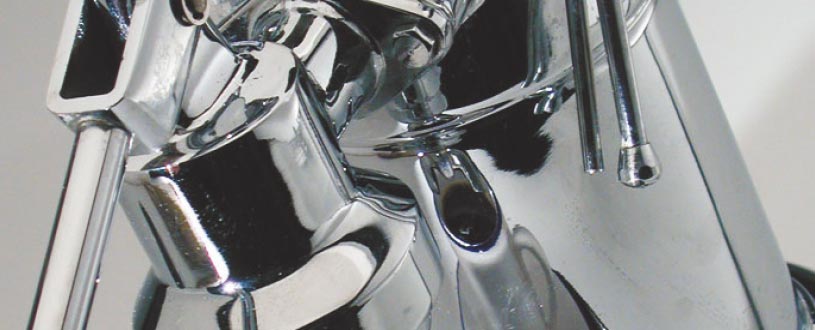
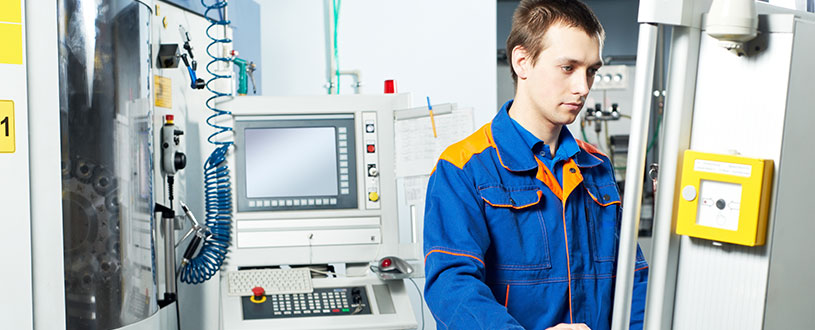
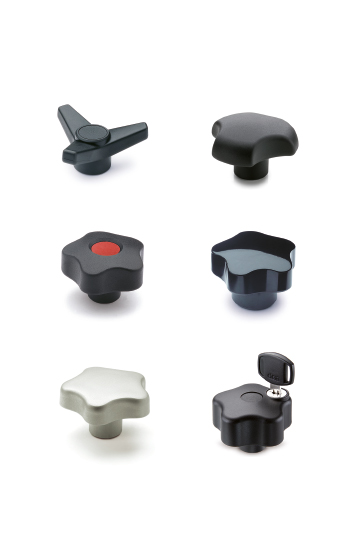
DUROPLASTS: the high surface hardness of the material and its glossy finish, obtained by the mould, enable the surfaces to be kept in perfect condition, even after prolonged use in the presence of metal machining residues or in abrasive environments, as for example, in metal machining applications with machine tools.
TECHNOPOLYMERS: the surface hardness values are lower than those of Duroplast, but are still within the 60-98 Rockwell range, M scale. Technopolymers are however tougher and have a greater impact strength than Duroplasts.

-
General
-
1. Plastic materials
- 1.1 Mechanical strength
- 1.2 Thermal resistance
- 1.3 Strength and surface hardness
- 1.4 Resistance to chemical agents
- 1.5 Resistance to atmospheric agents and uv rays
- 1.6 Flame resistance
- 1.7 Electrical properties
- 1.8 Surface finish and cleanability
- 1.9 Compliance with international standards
- 1.10 Competence of elesa technical department
- 2. Metal materials
- 3. Other materials
- 4. Machining tolerances
- 5. Fixed handles
- 6. Assembly measures
- 7. Special executions
- 8. Colours
- 9. Test values
-
10. Technical tables
- 10.1 Conversion table
- 10.2 DIN 79 square holes
- 10.3 Keyways
- 10.4 Transversal holes
- 10.5 Threads
- 10.6 Ip – protection classification for cases
- 10.7 MVK – fixing the threads by self-gluing
- 10.8 PFB fixing threads by means of locking action
- 10.9 Stainless steels
- 10.10 Carbon steels, zinc alloys, alluminium and brass
- 10.11 Duroplasts: resistance to chemical agents
- 10.12 Tecnopolymers and rubbers: resistance to chemical agents
-
1. Plastic materials
- Adjustable levers
- Handle with pneumatic drive
- Graduations
- Rotary controls
- Ball transfer units
- Modular roller tracks
- Level bubbles
- Spur gears
- Rubber buffers
- High performance vibration dampers
- Elastomer springs
- Magnets
- Levelling feet
- Hygienic design
- Hinges
- Pneumatic fastening clamps
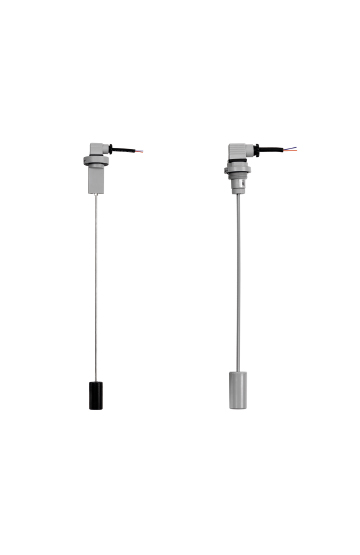
- Electrical level indicators
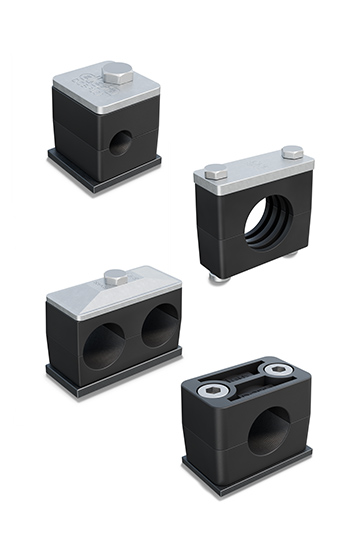
- DIN 3015 tube clamps
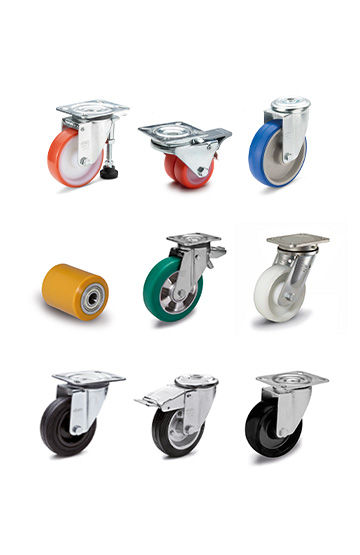
- Castors and wheels
- Vacuum components