Technical data
/
Rotary controls
/
1. Elesa-clayton rotary controls
/
1.2 How to select the rotary controls
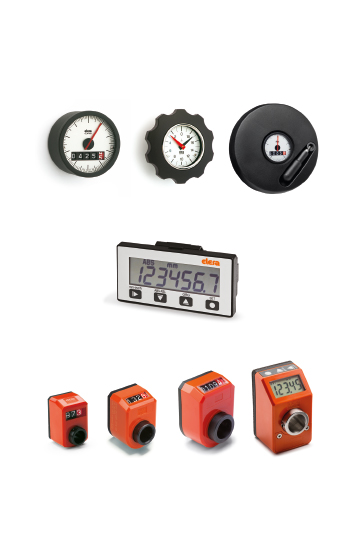
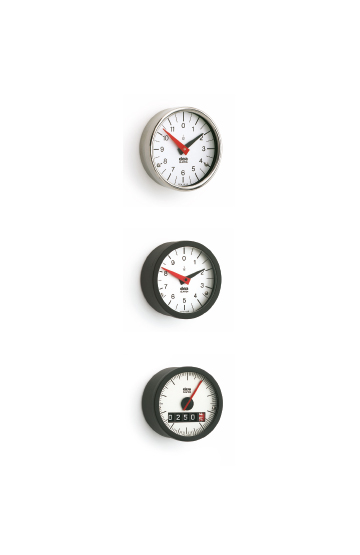
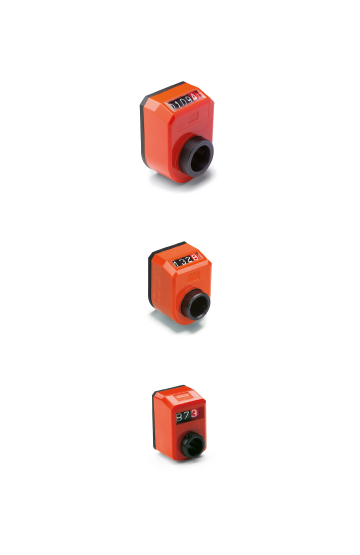
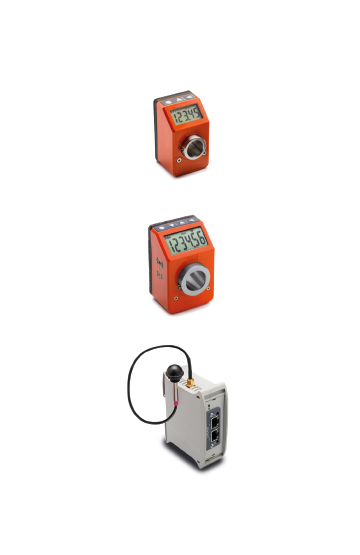
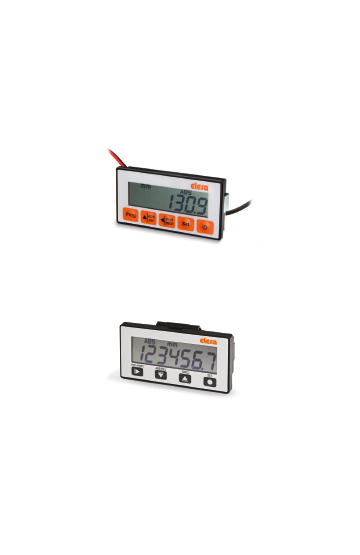
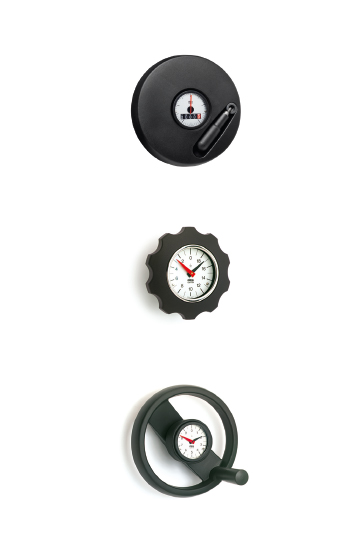
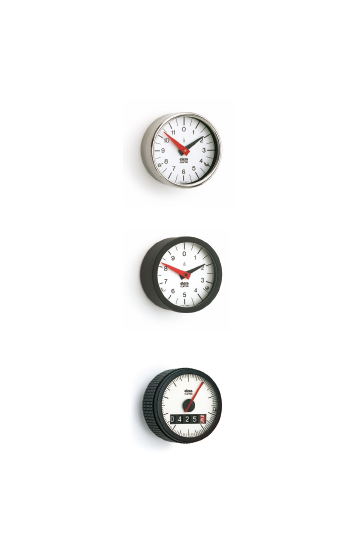
- Establish if it is necessary to display a number of turns or a linear displacement. For the first application choose an analogue indicator. For the second one choose a digital-analogue, digital or LCD digital indicator.
- Establish the indicator and the spindle position on which depends the choice of the requested movement: gravity, positive drive or direct drive.
- Establish the required ratio for analogue types or the reading after one revolution for the following types: digital-analogue, digital and LCD digital.
- Establish the direction of rotation. For clockwise increasing readings (right) = D. For anticlockwise increasing readings (left) = S.
- Consider the conditions of use of the handwheel i.e. outdoors, vibrations, corrosive environments, etc. See the complete data on the page of the chosen indicator.
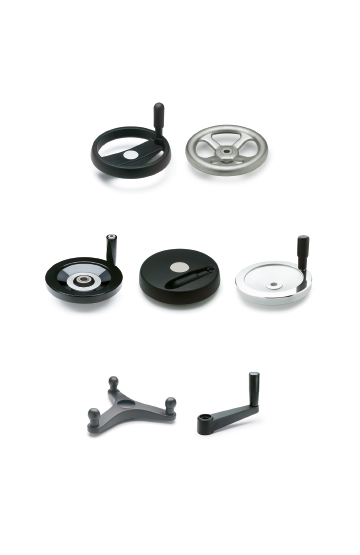
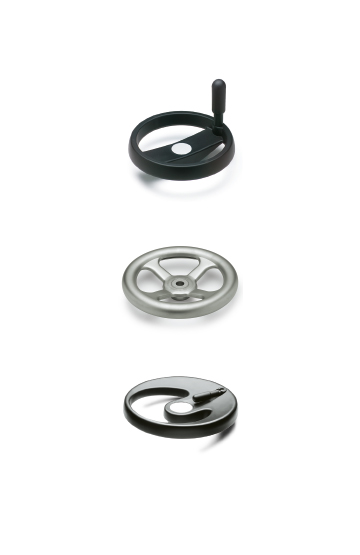
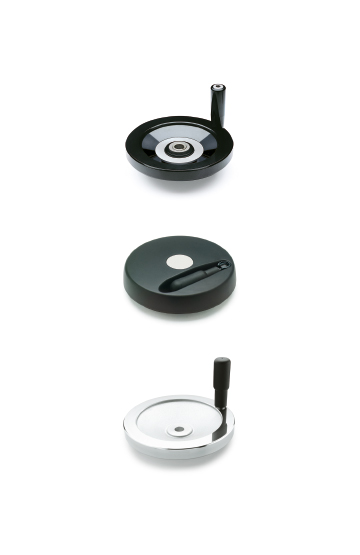
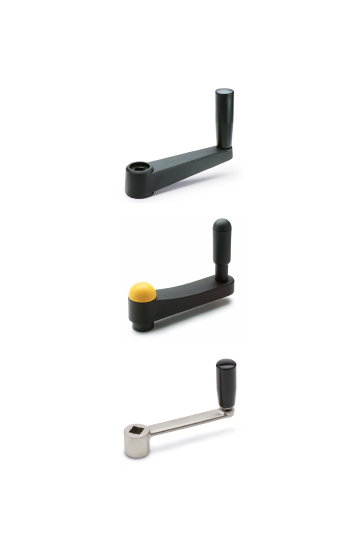
- Choose the appropriate handwheel/knob for the application considering the diameter and the grip required to transmit the necessary torque. Other factors to take into consideration are the control spindle diameter and whether a handle is required for quick operations.
-
General
-
1. Plastic materials
- 1.1 Mechanical strength
- 1.2 Thermal resistance
- 1.3 Strength and surface hardness
- 1.4 Resistance to chemical agents
- 1.5 Resistance to atmospheric agents and uv rays
- 1.6 Flame resistance
- 1.7 Electrical properties
- 1.8 Surface finish and cleanability
- 1.9 Compliance with international standards
- 1.10 Competence of elesa technical department
- 2. Metal materials
- 3. Other materials
- 4. Machining tolerances
- 5. Fixed handles
- 6. Assembly measures
- 7. Special executions
- 8. Colours
- 9. Test values
-
10. Technical tables
- 10.1 Conversion table
- 10.2 DIN 79 square holes
- 10.3 Keyways
- 10.4 Transversal holes
- 10.5 Threads
- 10.6 Ip – protection classification for cases
- 10.7 MVK – fixing the threads by self-gluing
- 10.8 PFB fixing threads by means of locking action
- 10.9 Stainless steels
- 10.10 Carbon steels, zinc alloys, alluminium and brass
- 10.11 Duroplasts: resistance to chemical agents
- 10.12 Tecnopolymers and rubbers: resistance to chemical agents
-
1. Plastic materials
- Adjustable levers
- Handle with pneumatic drive
- Graduations
- Rotary controls
- Ball transfer units
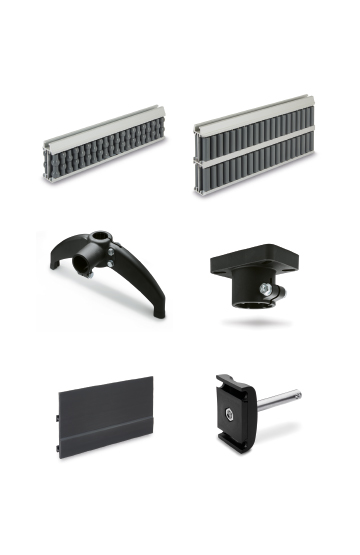
- Modular roller tracks
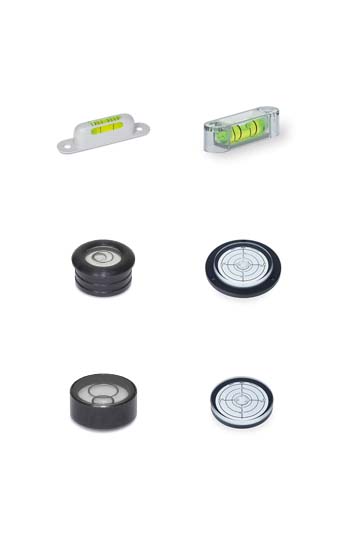
- Level bubbles
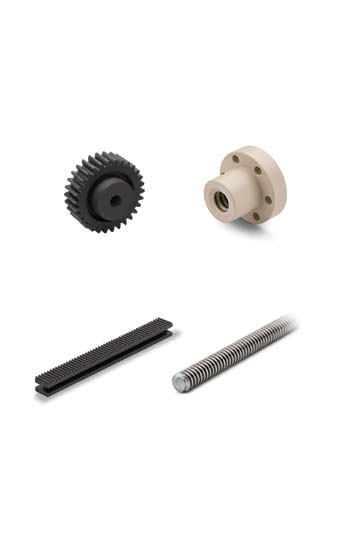
- Spur gears
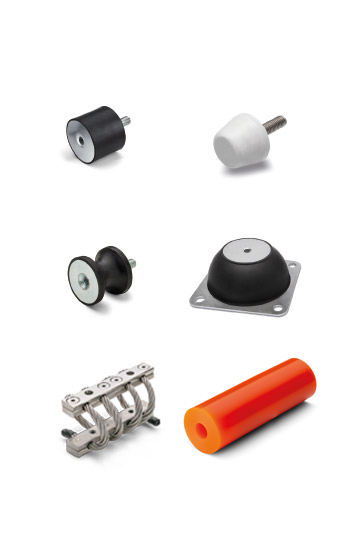
- Rubber buffers
- High performance vibration dampers
- Elastomer springs
- Magnets
- Levelling feet
- Hygienic design
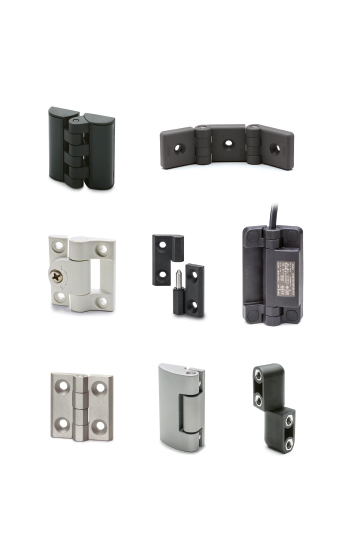
- Hinges
- Pneumatic fastening clamps
- Electrical level indicators
- DIN 3015 tube clamps
- Castors and wheels
- Vacuum components