Technical data
/
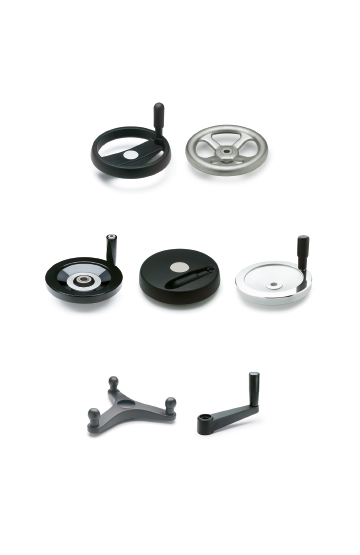
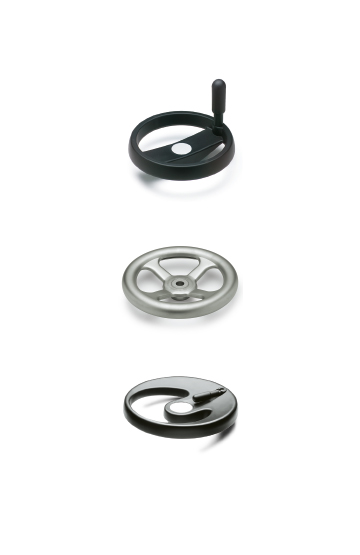
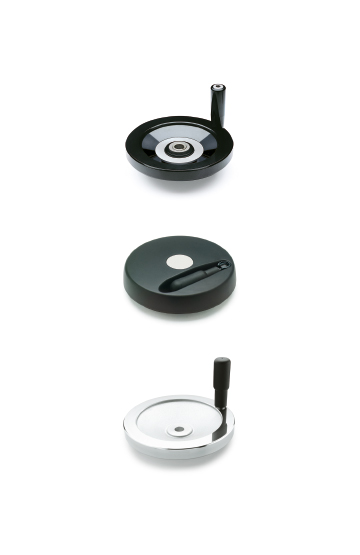
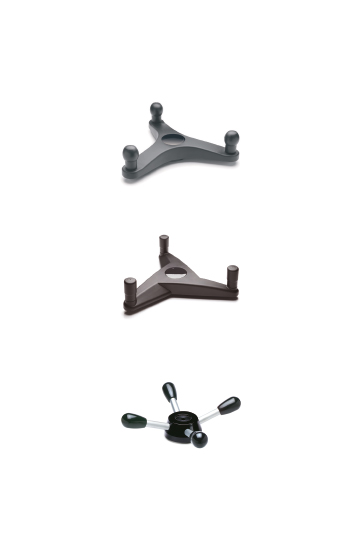
Rotary controls
/
2. Gravity position indicators
/
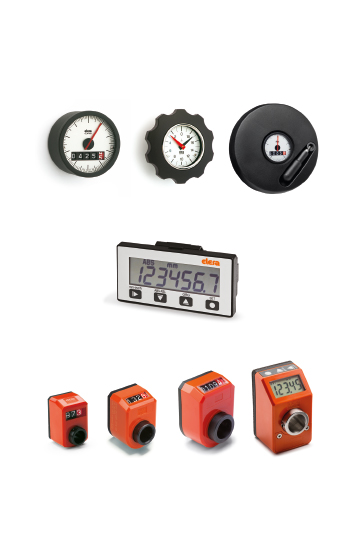
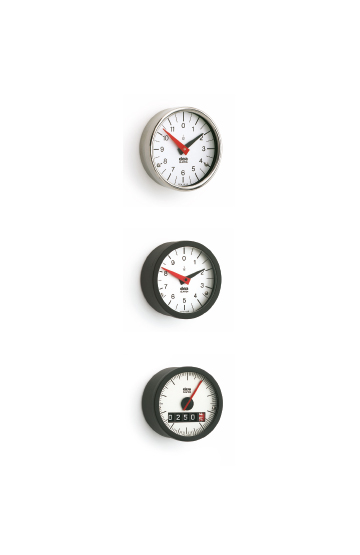
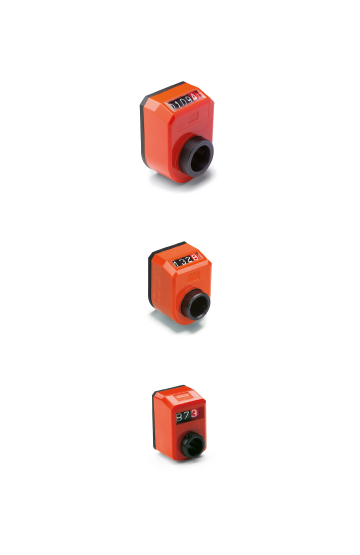
2.2 Choice of the indicator ratio
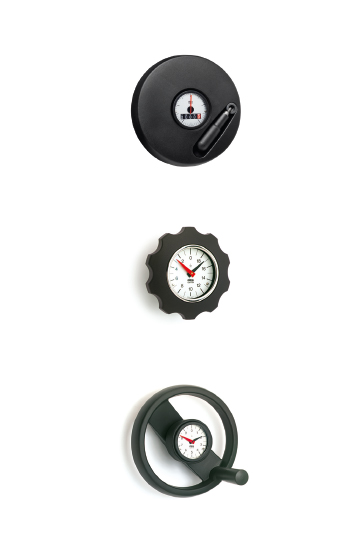
- Set the control spindle to the initial or referring position.
- Count the number of turns of the control spindle to cover the entire setting range.
- The result of this operation is the ratio. Should it not correspond to a standard ratio, choose the next highest one.
- For an optimal dial reading, and therefore for a more precise reading, we recommend to choose a ratio which is as near as possible to the handwheel turns required to cover the entire setting range. For instance, if 11 turns are required, the ratio 12:1 is the most convenient, because 11/12 of the available graduation will be used. If 24:1 ratio would be chosen, only 11/24 of the graduation would be used and reading would be less accurate.
- Indicators with standard ratios are normally on stock to suit most requirements.
-
General
-
1. Plastic materials
- 1.1 Mechanical strength
- 1.2 Thermal resistance
- 1.3 Strength and surface hardness
- 1.4 Resistance to chemical agents
- 1.5 Resistance to atmospheric agents and uv rays
- 1.6 Flame resistance
- 1.7 Electrical properties
- 1.8 Surface finish and cleanability
- 1.9 Compliance with international standards
- 1.10 Competence of elesa technical department
- 2. Metal materials
- 3. Other materials
- 4. Machining tolerances
- 5. Fixed handles
- 6. Assembly measures
- 7. Special executions
- 8. Colours
- 9. Test values
-
10. Technical tables
- 10.1 Conversion table
- 10.2 DIN 79 square holes
- 10.3 Keyways
- 10.4 Transversal holes
- 10.5 Threads
- 10.6 Ip – protection classification for cases
- 10.7 MVK – fixing the threads by self-gluing
- 10.8 PFB fixing threads by means of locking action
- 10.9 Stainless steels
- 10.10 Carbon steels, zinc alloys, alluminium and brass
- 10.11 Duroplasts: resistance to chemical agents
- 10.12 Tecnopolymers and rubbers: resistance to chemical agents
-
1. Plastic materials
- Adjustable levers
- Handle with pneumatic drive
- Graduations
- Rotary controls
- Ball transfer units
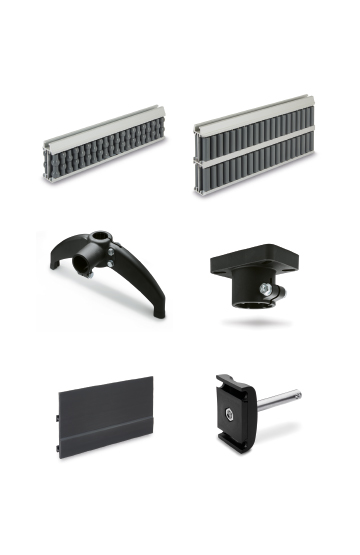
- Modular roller tracks
- Level bubbles
- Spur gears
- Rubber buffers
- High performance vibration dampers
- Elastomer springs
- Magnets
- Levelling feet
- Hygienic design
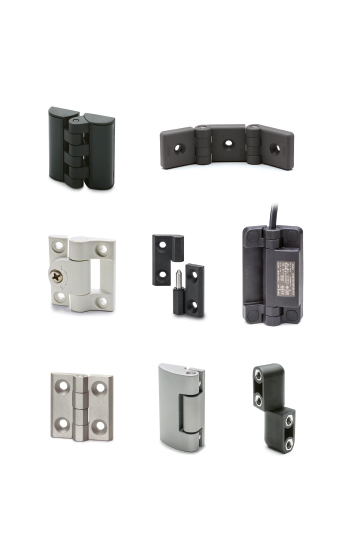
- Hinges
- Pneumatic fastening clamps
- Electrical level indicators
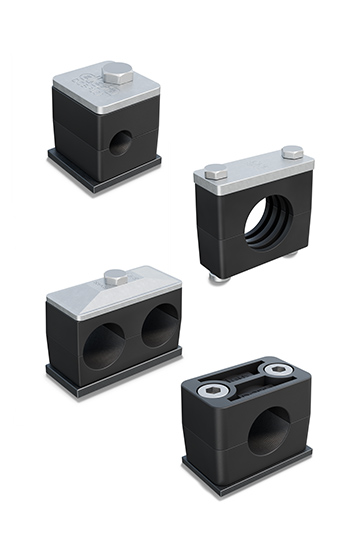
- DIN 3015 tube clamps
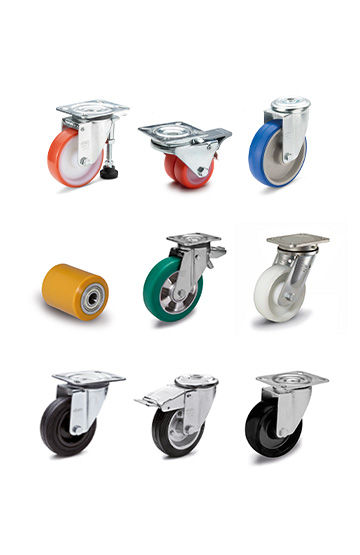
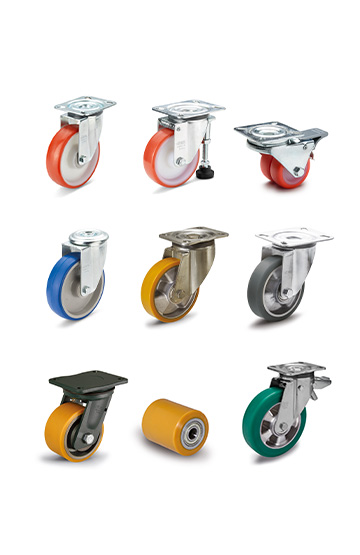
- Castors and wheels
- Vacuum components