
San - Antimicrobial
Close
Oct 19, 2026
Reading time: minutes
In high-throughput manufacturing, packaging, and material processing facilities across Canada, profitability is directly tied to machine availability and product yield. Yet, many plant managers and design engineers continue to overlook a major source of operational waste: manual, trial-and-error machine adjustments. When operators rely on crude rulers, arbitrary scale markings, or visual estimation to adjust shafts, guide rails, or stop blocks, changeovers become lengthy, inconsistent, and error-prone.
For procurement managers, chief engineers, and facility owners, the financial consequences of imprecise setups extend far beyond a few extra minutes of downtime. Inconsistent positioning leads to out-of-tolerance production, raw material scrap, equipment stalling, and unexpected tooling wear. Investing in precision position indicators transforms variable manual adjustments into deterministic, repeatable actions, delivering measurable return on investment (ROI) and lowering total cost of ownership (TCO).
In high-volume Canadian industrial environments—such as food packaging, metal fabrication, and assembly manufacturing—production lines undergo frequent product changeovers. When an operator manually turns a handwheel without a calibrated readout, returning to an exact historical setting requires multiple test runs and measurements.
This empirical trial-and-error method creates three distinct financial leaks:
By replacing uncalibrated adjustments with engineered position indicator device technology, companies establish standardized setup parameters that allow any operator to achieve first-part precision instantly.
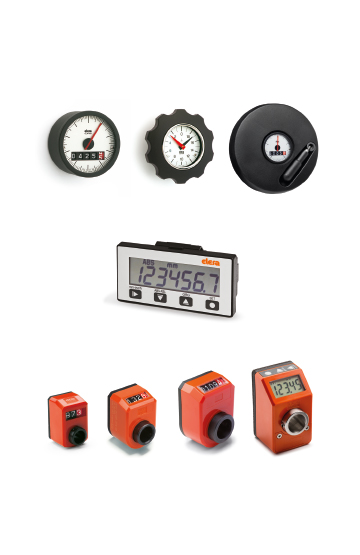
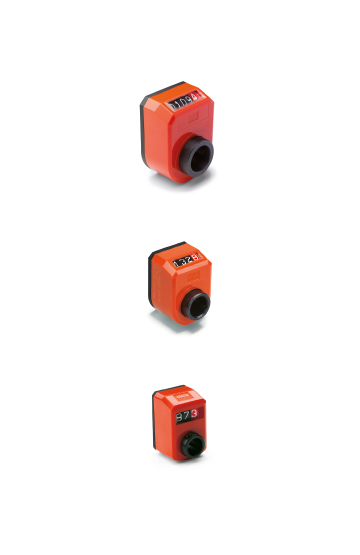
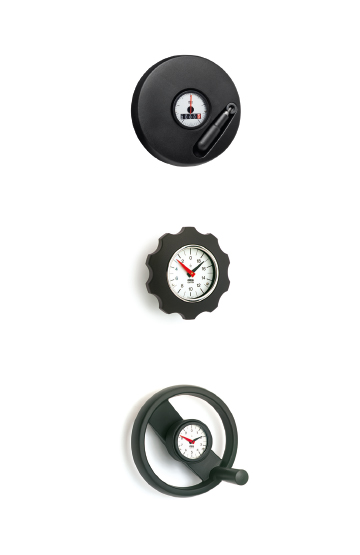
For operations seeking immediate efficiency gains without overhaul costs, direct-drive mechanical position indicators provide an exceptionally cost-effective solution. These compact units mount directly onto adjustment drive shafts, translating rotational movement into a direct numerical counter reading.
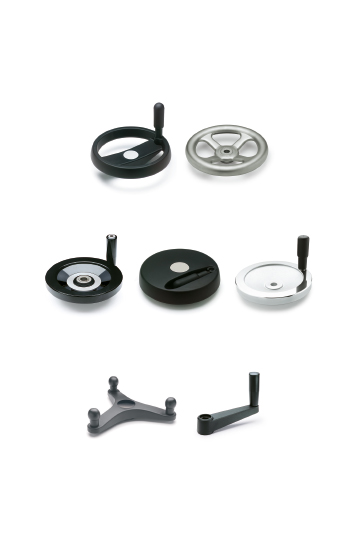
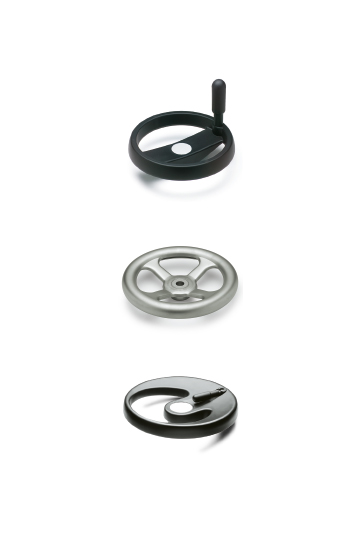
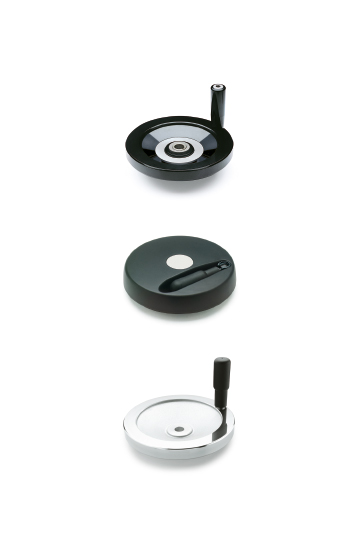
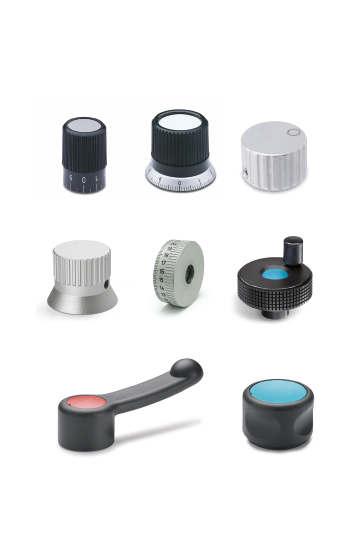
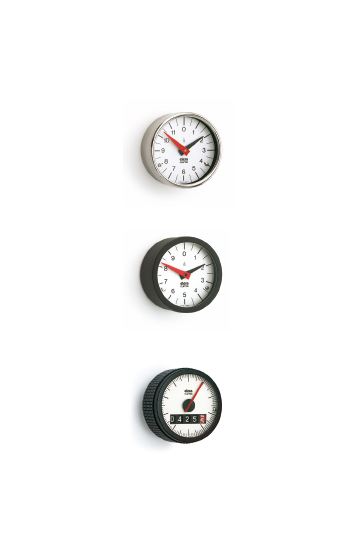
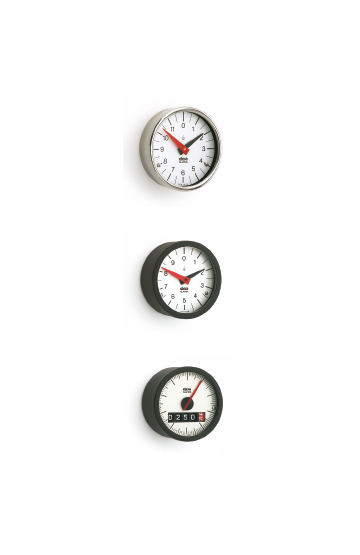
Depending on shaft orientation and machine geometry, engineers can choose between direct-drive mechanical counters, gravity position indicators, or positive drive position indicators. Direct-drive counters move mechanically via a gear system driven by the shaft's rotation, rendering them ideal for horizontal shafts. Gravity indicators utilize a dial face weighted by gravity, providing clear analog readouts on vertical or inclined shafts when paired with specialized handwheels for position indicators.
Consider a Canadian bottling facility operating four labeling stations. Upgrading from static scale dials to mechanical analog counters requires a minimal hardware investment. If exact numerical readouts reduce setup times by 15 minutes per line per day and eliminate 2% of daily startup scrap, the hardware cost is typically recouped within six to eight weeks. Beyond direct financial payback, the facility benefits from reduced operator stress, improved safety, and predictable production scheduling.
While mechanical counters solve basic visual readout challenges, advanced packaging lines and automated processing machinery require even higher precision and automated validation. This is where electronic and digital position indicators transform manual machine setup into a smart, data-driven operation.
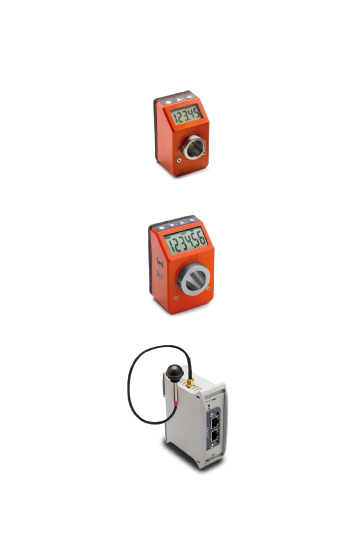
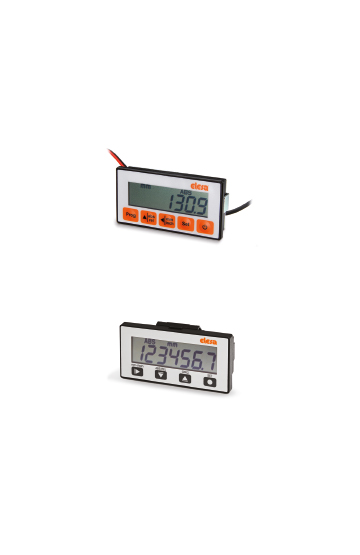
Modern electronic position indicators feature clear LCD displays that read linear or angular movements down to fractional millimeters or degrees. Unlike mechanical gearboxes that require specific pitch ratios built into the hardware, electronic indicators allow engineers to program display ratios, linear direction, unit of measure (metric or imperial), and absolute vs. incremental counting directly via keypads.
Advanced digital systems take changeover economics a step further by connecting wirelessly to PLC networks. In a networked setup, the central machine controller transmits target position values for a new production batch directly to each indicator's display. The machine cannot restart until every indicator confirms that its shaft has been physically rotated to the correct target coordinate.
This automated validation loop eliminates human error entirely, boosting Overall Equipment Effectiveness (OEE), protecting expensive tooling from collision damage, and providing total traceability for quality compliance.
When evaluating standard machine components, procurement teams must balance unit purchase price against lifetime reliability. In harsh Canadian plant environments exposed to dust, washdown fluids, temperature fluctuations, and mechanical shock, low-quality commercial hardware quickly fails—leading to foggy display windows, cracked housings, and internal gear slippage.
At Elesa, our engineering motto—Elesa — designed to perform—reflects our commitment to manufacturing durable, high-precision components. Known globally as the ElesaWAY, our design philosophy combines technical innovation, premium technopolymers, stainless steel inserts, and ergonomic aesthetics.
Elesa position indicator models are engineered with high IP-rated seals (up to IP65 or IP67), ultrasonic welding, and corrosion-resistant materials to ensure years of maintenance-free service. By specifying genuine Elesa position indicators, Canadian decision-makers protect their machinery investment, streamline changeovers, and secure long-term operational profitability.
Ready to optimize your equipment changeovers and boost plant efficiency? Visit the official Canadian Elesa e-commerce store to inspect product specs, download 3D CAD models, check real-time stock, and order directly for your facility.