

San - Antimicrobial
Close
Sep 21, 2026
Reading time: minutes
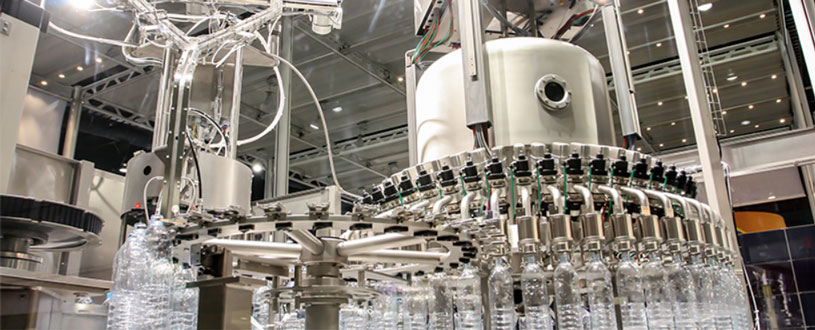
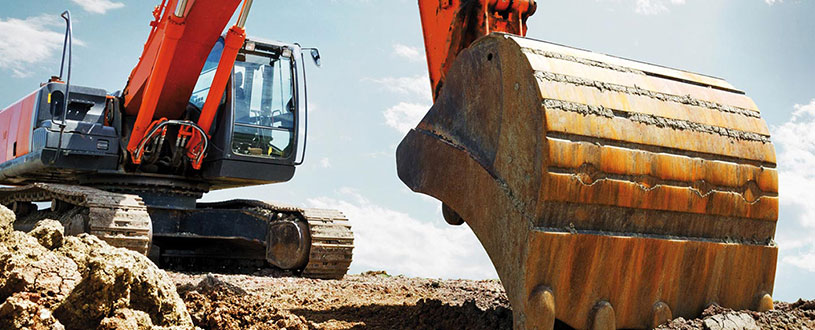
Industrial machinery operates under relentless physical stress. In high-demand sectors such as food processing, automated manufacturing, and heavy construction, mechanical systems are subjected to constant harmonic vibrations and structural loads. Left unchecked, structural resonance leads to rapid mechanical fatigue, misaligned components, and premature failure. For design engineers and plant operators, the central question is clear: How can we isolate mechanical stress to guarantee continuous operation and minimize expensive unscheduled downtime?
Addressing this challenge requires a systematic, component-level approach. By strategically integrating high-quality standard machine elements, manufacturers can absorb harmonic stress, secure critical alignments, and protect machinery from the destructive effects of structural vibration.
In any high-demand production facility, vibration is the silent enemy of equipment longevity. When machines run at high speeds, even microscopic imbalances generate kinetic energy that propagates throughout the structure. This structural resonance causes several critical failure modes:
To combat these forces, design engineers must move away from rigid, unyielding assemblies. True mechanical resilience lies in absorbing, damping, and redirecting kinetic energy through specialized materials and engineered components. This problem-solution framework is at the core of the ElesaWAY—our dedication to combining premium ergonomics with outstanding technical performance to keep industrial operations running smoothly.
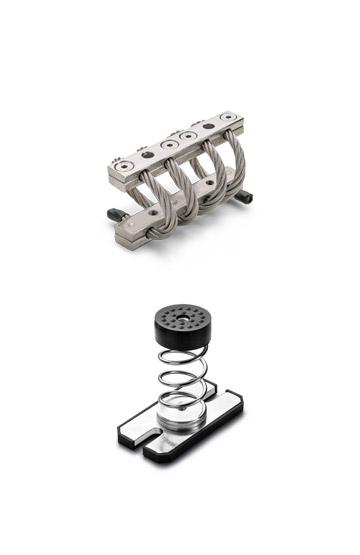
The first line of defense against structural fatigue is isolation at the machine’s connection points. Mounting heavy equipment directly to concrete floors or steel frames creates a rigid loop that amplifies vibration. By inserting elastomer-based dampers, you can decouple the machine from its surroundings.
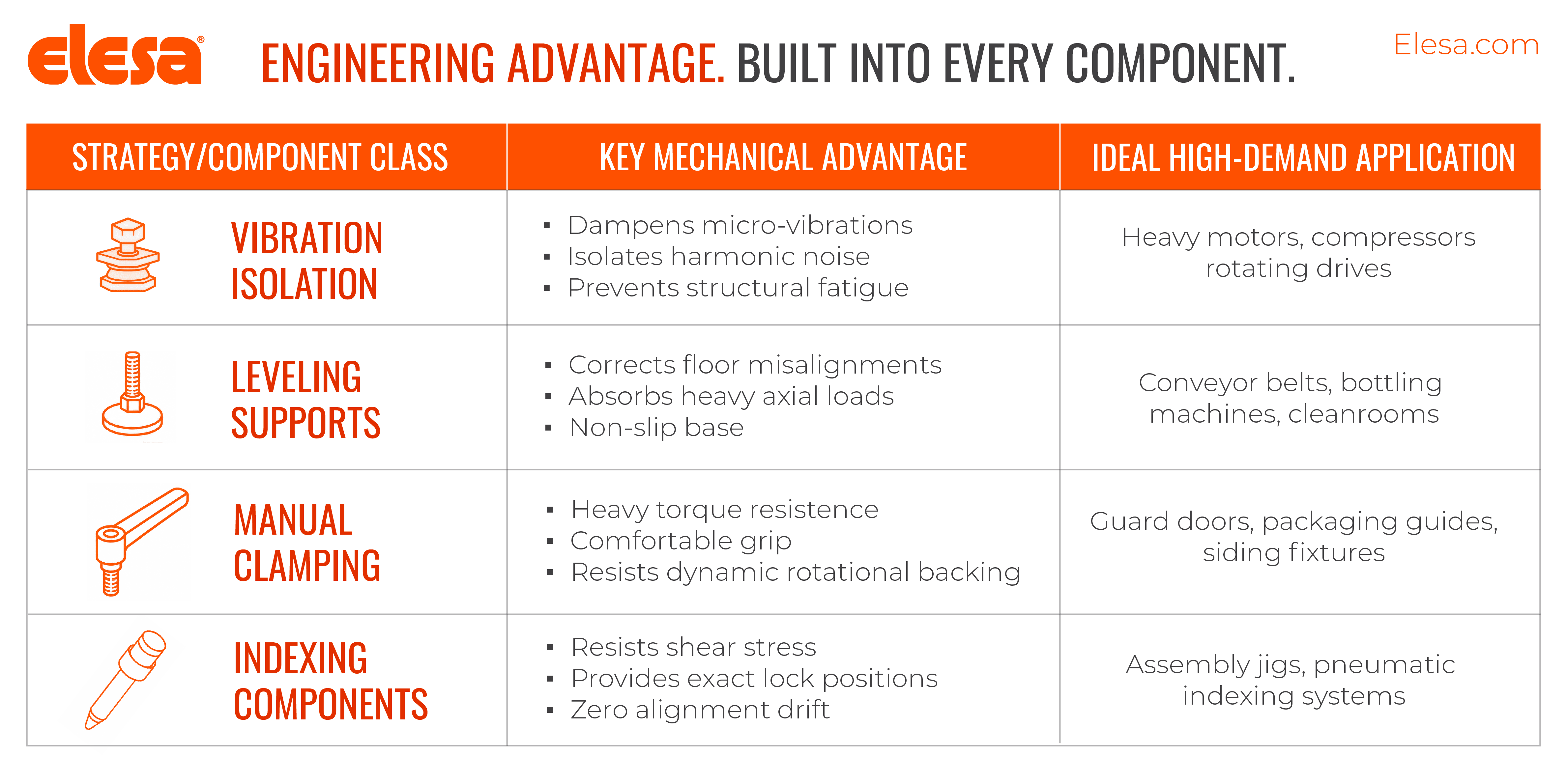
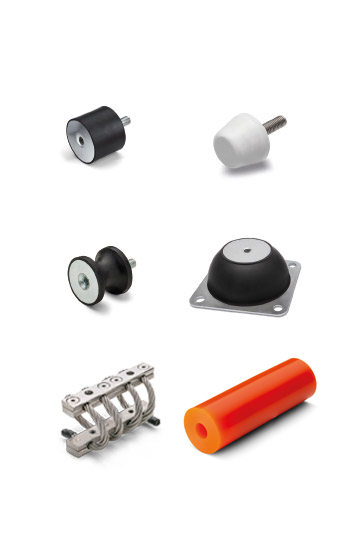
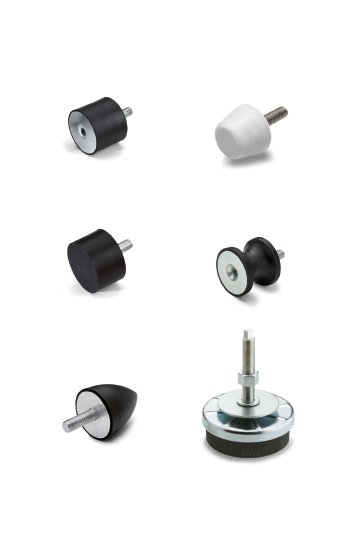
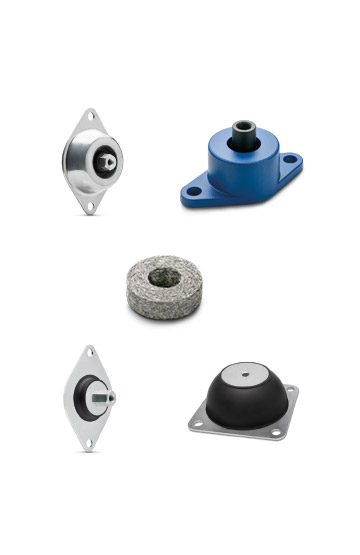
Deploying high-performance anti vibration mounts is highly effective in neutralizing structure-borne noise and mechanical shock. These vibration isolators act as mechanical buffers, converting kinetic energy into negligible thermal energy. For systems experiencing multi-directional loads, choosing specialized vibration mounts made from natural rubber vulcanized to stainless steel bases ensures long-term elasticity.
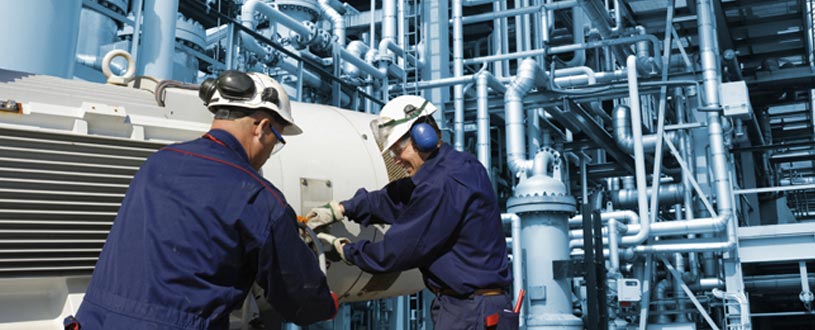
For rotating machinery like pumps, compressors, and motor drives, rubber vibration mounts are essential. When properly sized according to the machine's disturbing frequency and total weight, these elements isolate up to 95% of harmonic stress, protecting both the machine frame and surrounding building structures.
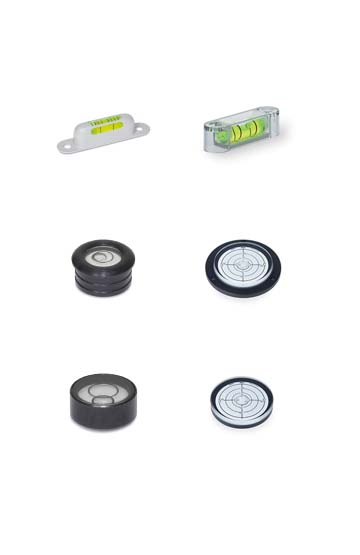
Vibration is rarely a standalone issue; it is often exacerbated by uneven factory floors. An unlevel machine distributes weight unevenly, creating localized stress concentrations that amplify structural vibration.
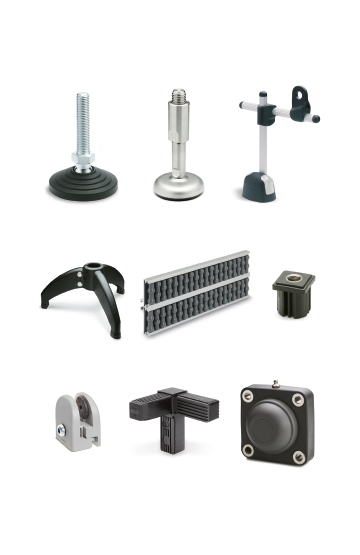
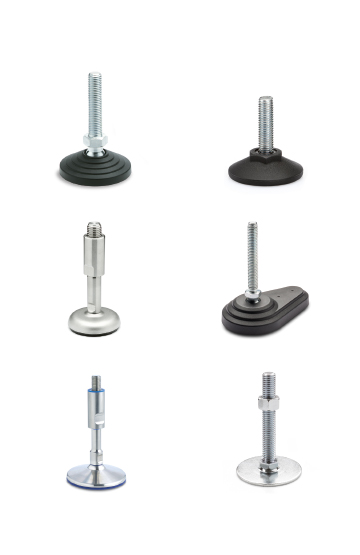
To solve this, operators must utilize heavy-duty leveling systems. Integrating high-quality adjustable feet allows for precise height adjustments to compensate for uneven surfaces. For machines exposed to continuous shifting forces, installing adjustable leveling feet with integrated non-slip rubber vulcanized damping pads ensures the machine remains firmly anchored.
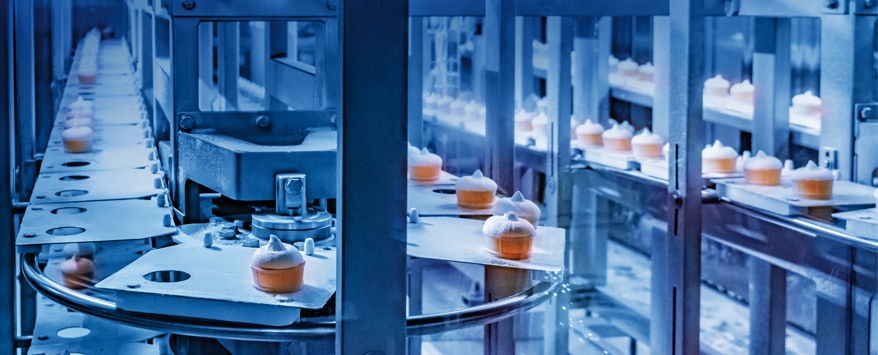
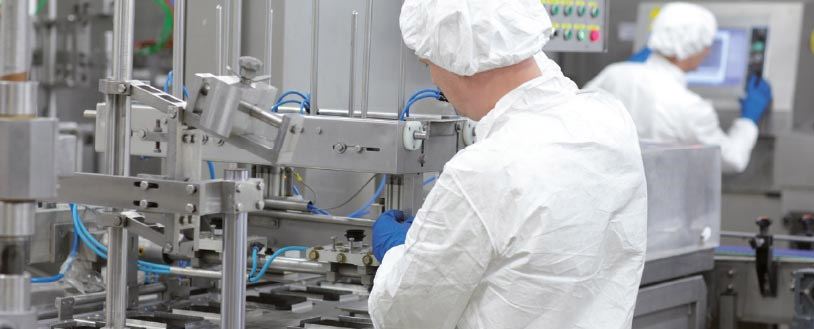
On large-scale production equipment, utilizing specialized equipment leveling feet prevents localized structural fatigue. For sectors with strict sanitation rules, such as food processing and packaging, choosing conveyor leveling feet with stainless steel bases and hygienic seals prevents chemical corrosion and bacterial buildup under high-pressure washdowns.
Machine operators must frequently adjust guides, guard rails, and access hatches. However, manual clamping elements are highly susceptible to backing out under dynamic vibration.
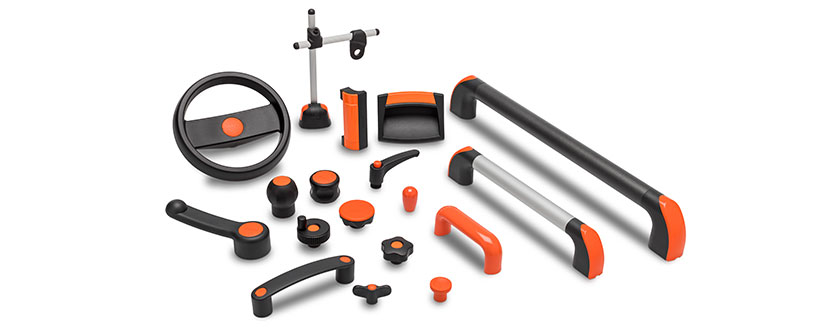
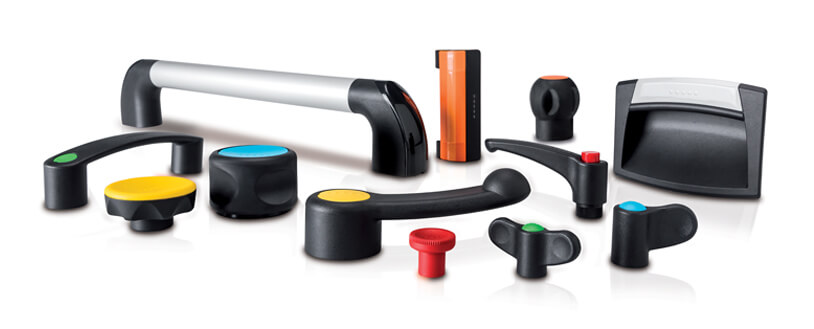
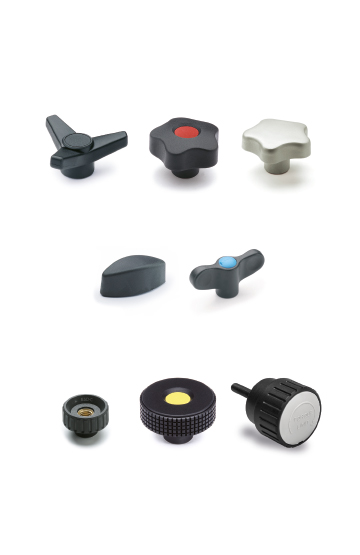
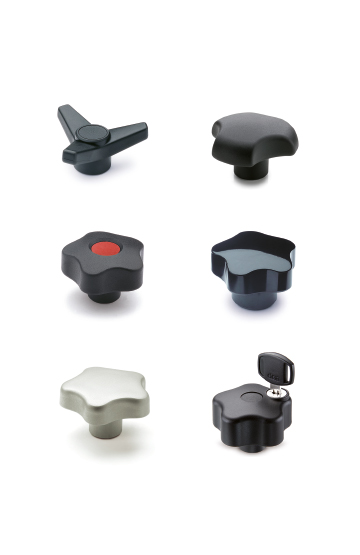
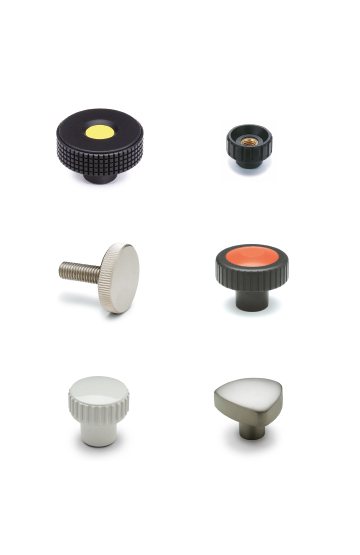
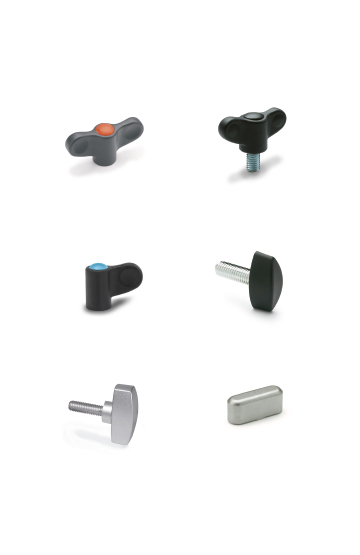
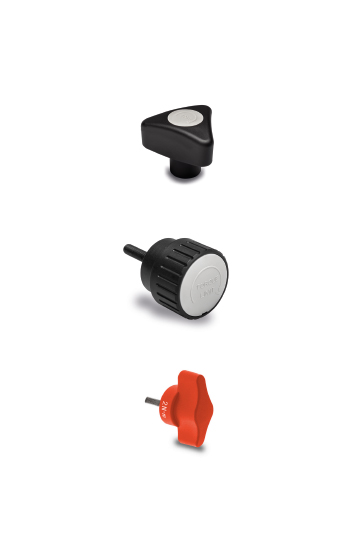
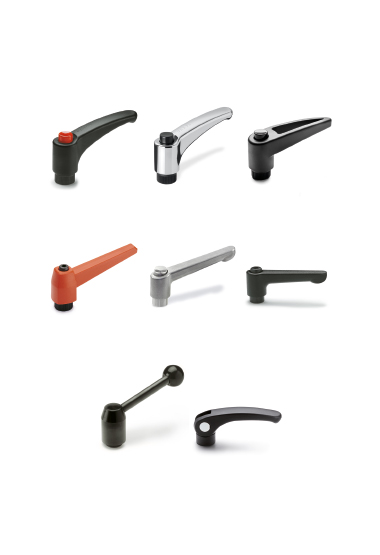
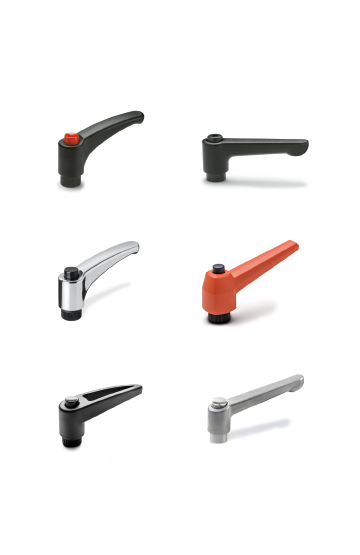
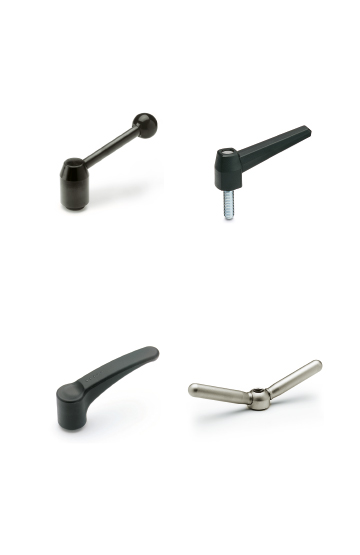
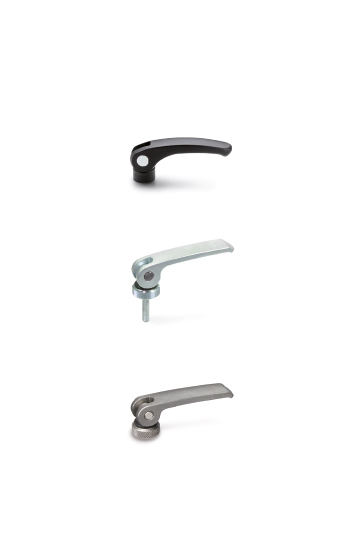
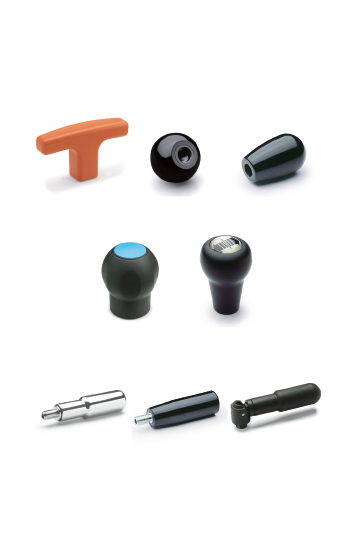
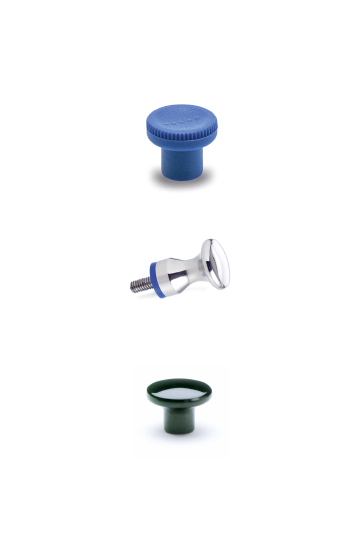
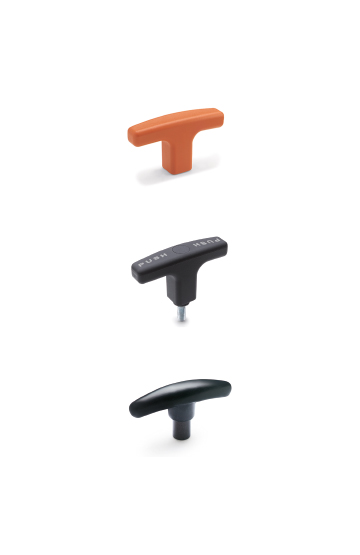
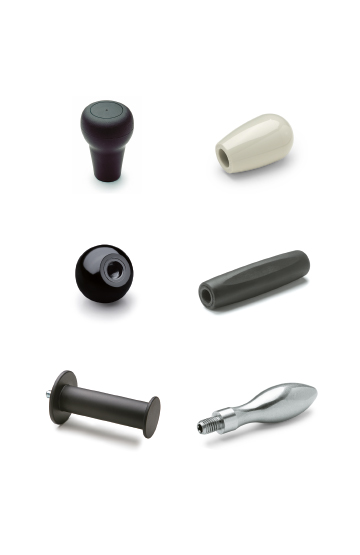
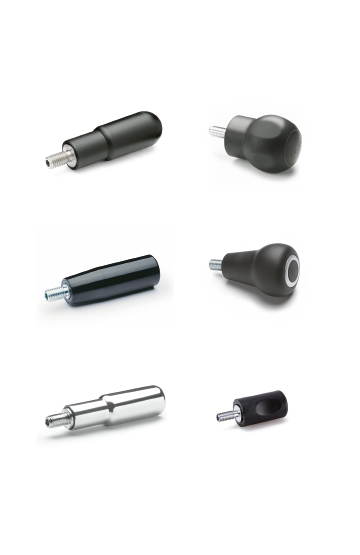
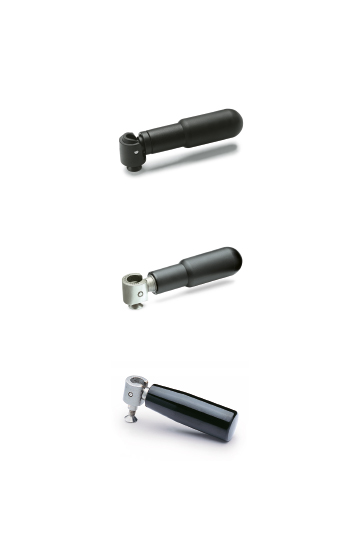
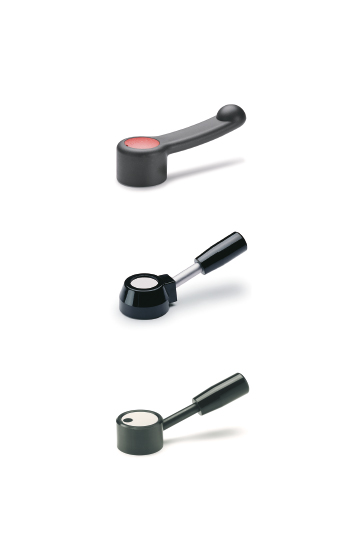
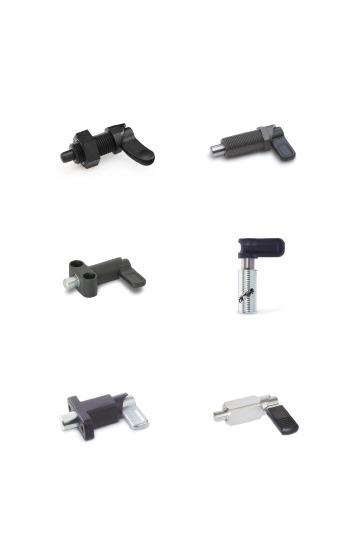
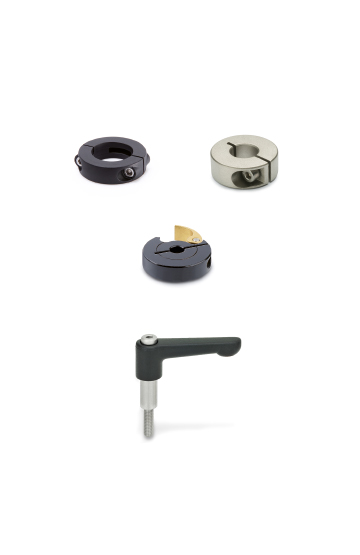
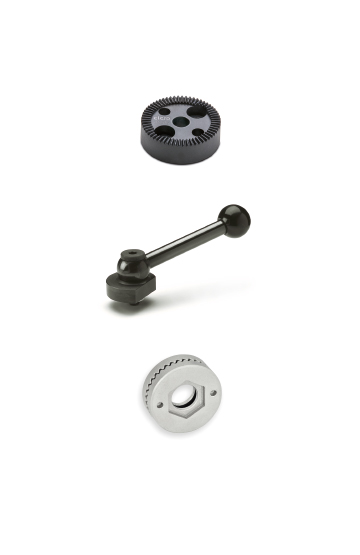
Standard plastic knobs easily crack or slip under heavy torque. Replacing them with high-durability clamping knobs made from impact-resistant technopolymer or high-temperature duroplast ensures clean manual operation. To guarantee absolute security, engineers can integrate adjustable clamping handles (also known as clamping levers). These handles feature a ratcheting mechanism that allows operators to disengage the handle teeth, rotate the lever to a safe position, and secure the clamp with maximum leverage—even in tight spaces.
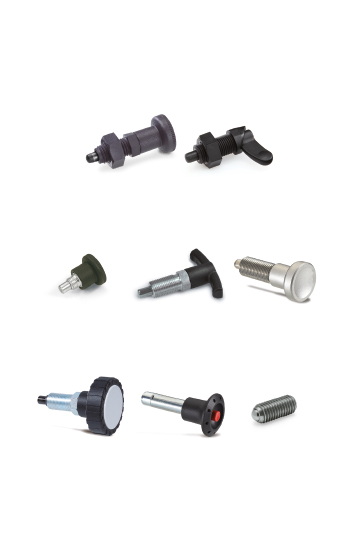
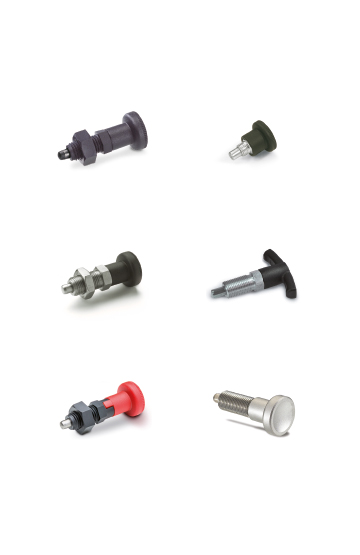
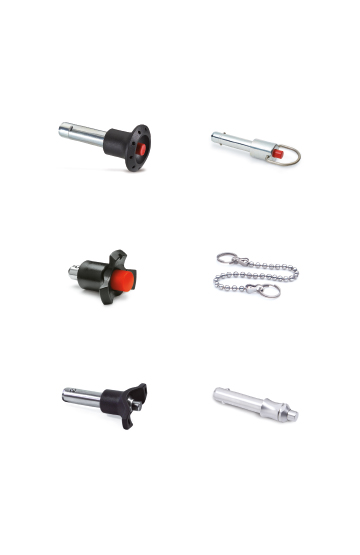
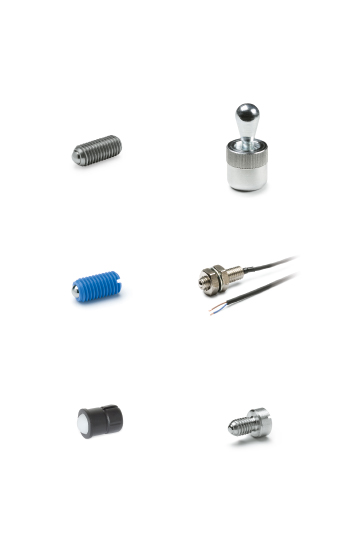
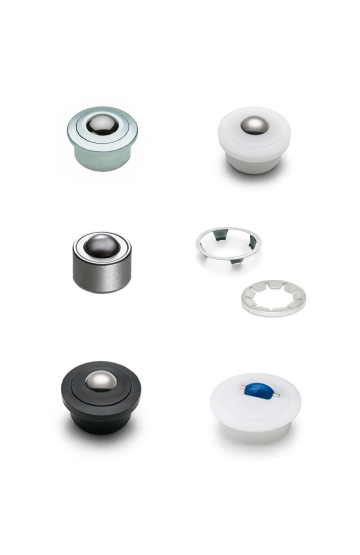
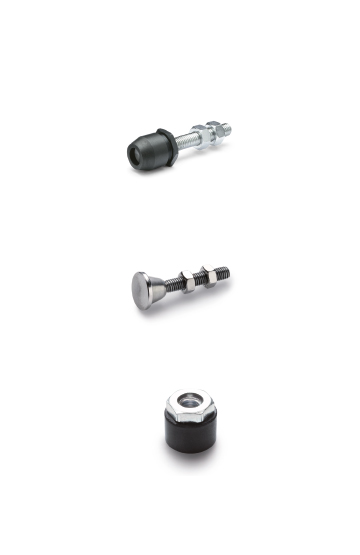
Furthermore, moving parts, fixtures, and indexing pins must be held securely in position without drifting. Using a heavy-duty index plunger (or multiple index plungers) provides a reliable locking pin mechanism that resists shear stress. In automated fixtures, integrating specialized ball spring plungers ensures precise detent positioning. These precision-engineered indexing and positioning components are designed to withstand repetitive mechanical stress, eliminating alignment drift and keeping production lines moving smoothly.
At Elesa, we believe that true industrial reliability is the result of meticulous engineering and exceptional quality. Our motto, Elesa — designed to perform, represents our commitment to manufacturing standard machine parts that exceed standard expectations.
Every component we build—from rugged rubber vibration mounts to stainless steel indexing pins—is designed to withstand the harsh realities of modern high-demand manufacturing. When you specify Elesa components, you are choosing globally trusted expertise backed by over 80 years of innovation.
Are you ready to optimize your machinery's resilience and minimize unexpected downtime? Our Canadian engineering team is here to help you select the ideal combination of damping, leveling, and clamping elements for your specific equipment needs. Through the Elesa online store, you can seamlessly check stock, request custom quotes, and download 3D CAD files to accelerate your design workflow.
Partner with Elesa to build machines that run smoother, last longer, and perform flawlessly under any industrial demand. Contact our local support experts today to discuss your next technical challenge, or explore our digital catalog to find the exact engineering solutions your team requires.