

San - Antimicrobial
Close
Jul 6, 2026
Reading time: minutes
Hydraulic systems remain the backbone of countless industrial operations across Canada. From manufacturing equipment and material handling systems to mobile machinery and heavy-duty processing equipment, hydraulics deliver the power, control, and precision needed to perform demanding tasks reliably.
Yet even the most robust hydraulic system is only as dependable as the components that support it. Pressure fluctuations, contamination, vibration, environmental exposure, and routine wear can all impact performance over time. As facilities strive to improve uptime and reduce maintenance costs, engineers are placing greater emphasis on system reliability, protection, and long-term performance.
What factors have the greatest impact on hydraulic system longevity? And how can the right components help prevent costly failures before they occur?
Hydraulic systems operate under significant pressure, often in demanding environments where downtime can have a direct impact on productivity. When a hydraulic component fails, the consequences can extend well beyond a simple repair. Production delays, unplanned maintenance, equipment damage, and safety concerns can quickly follow.
Reliability begins with proper system design, but it must also be supported by high-quality components capable of withstanding continuous operation. Engineers increasingly recognize that investing in dependable solutions upfront often results in lower operating costs and improved performance over the life of the equipment.
In modern industrial environments, reliability is not simply about preventing failure-it is about maintaining consistent performance day after day, year after year.
A properly designed and maintained hydraulic system can deliver reliable performance for many years. Factors such as operating conditions, maintenance practices, fluid quality, and component selection all influence system longevity. While no system lasts forever, preventive maintenance and quality components can significantly extend service life.
Several factors can compromise hydraulic system performance if not properly managed.
Contamination remains one of the most common causes of hydraulic issues, as dirt, moisture, and debris can damage sensitive components and accelerate wear. Pressure spikes and shock loads can also place unnecessary stress on system components, reducing service life and increasing the likelihood of failure.
Environmental conditions present additional challenges. Exposure to temperature extremes, chemicals, washdown procedures, and outdoor operating conditions can affect seals, fittings, reservoirs, and other critical components.
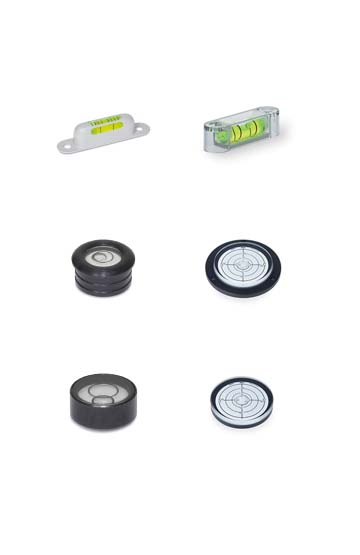
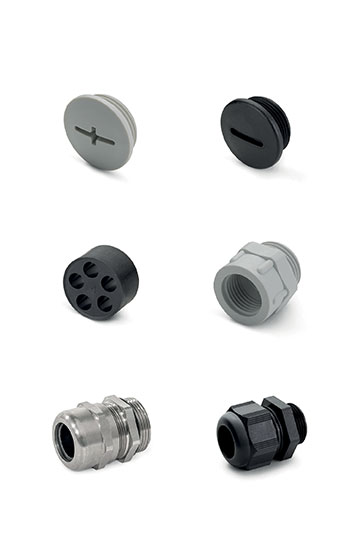
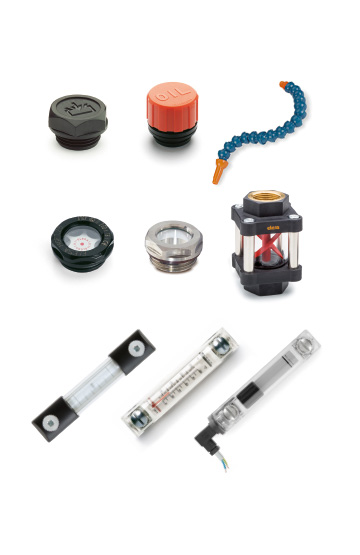
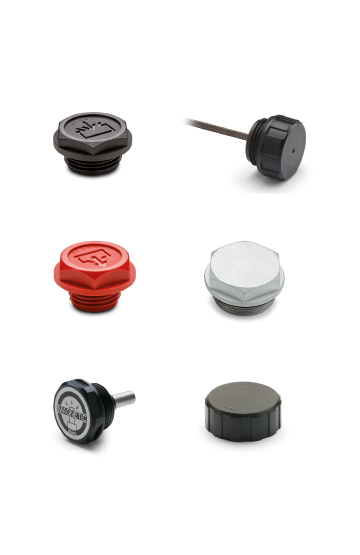
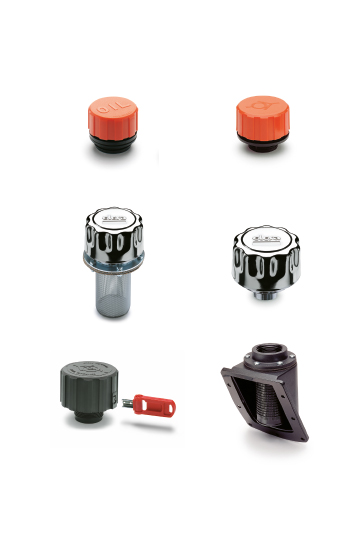
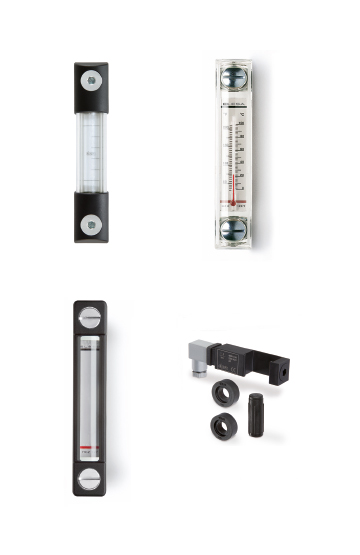
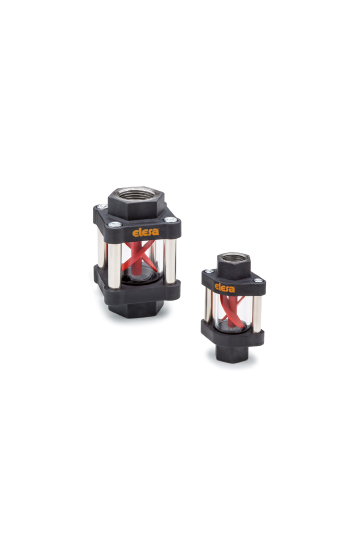
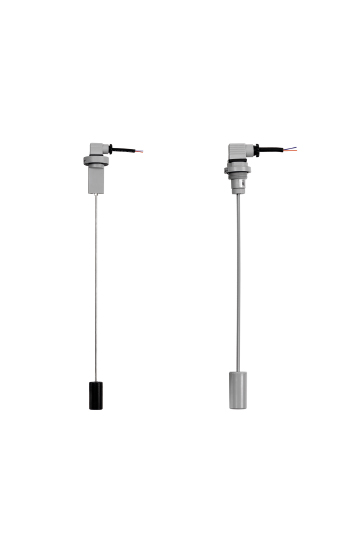
Protective solutions such as hydraulic filler breathers, oil level indicators, access covers, and protective caps help support system integrity by reducing contamination risks and providing operators with valuable visual feedback regarding system condition.
Many hydraulic failures do not occur suddenly. Instead, they develop gradually through wear, contamination, improper fluid levels, or unnoticed changes in operating conditions.
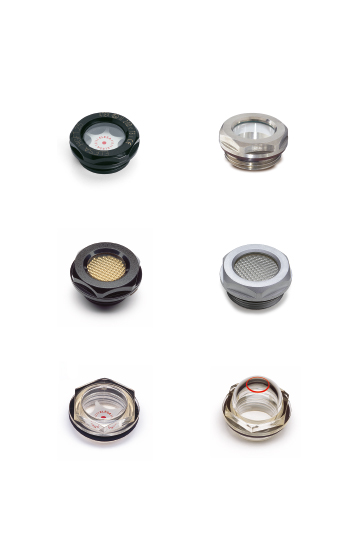
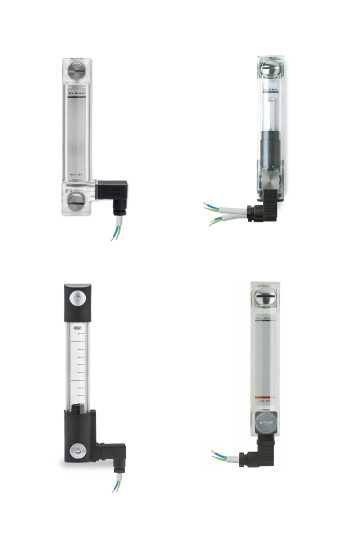
This is why visual monitoring components play an important role in maintaining hydraulic system health. Oil level indicators, inspection windows, and access components allow operators and maintenance personnel to quickly assess system conditions and identify potential issues before they become major problems.
By incorporating maintenance-friendly components into equipment design, engineers can simplify inspections, reduce maintenance time, and support more proactive maintenance strategies. These small design considerations often have a significant impact on long-term reliability and operational efficiency.
When designing hydraulic systems, engineers must consider more than immediate performance requirements. Long-term durability, serviceability, and environmental resistance are equally important.
Component selection should take into account operating pressures, fluid compatibility, temperature exposure, and maintenance accessibility. Choosing components specifically designed for industrial environments helps ensure reliable operation throughout the equipment lifecycle.
This is particularly important in Canadian industries where equipment may be exposed to harsh seasonal conditions, outdoor environments, or intensive production schedules. Durable, high-quality components help maintain system performance while reducing the frequency of maintenance interventions.
Reliable hydraulic systems depend on more than pumps, valves, and cylinders. Supporting components often play a critical role in protecting equipment and maintaining optimal operating conditions.
Components such as oil level indicators, hydraulic filler breathers, pressure-sensitive access solutions, and sealing elements help improve visibility, support preventive maintenance efforts, and protect systems from contamination and environmental exposure. Together, these solutions contribute to greater reliability, improved safety, and enhanced equipment performance.
As hydraulic systems continue to evolve, engineers are increasingly focused on creating designs that balance power, efficiency, and long-term dependability. The right supporting components help make that possible.
Hydraulic systems are designed to operate under pressure, but maintaining reliable performance requires more than power alone. Protection, monitoring, and thoughtful component selection all contribute to equipment longevity and operational success.
Whether designing new machinery or upgrading existing equipment, selecting dependable hydraulic system components can help reduce downtime, improve maintenance efficiency, and support long-term performance. ELESA Canada offers a range of hydraulic accessories and supporting components designed to help engineers build more reliable, maintenance-friendly systems for demanding industrial environments.