

San - Antimicrobial
Close
Jun 10, 2026
Reading time: minutes
In modern manufacturing environments, precision is no longer reserved for specialized applications-it has become a fundamental requirement across industries. Whether adjusting guides on packaging equipment, positioning tooling on CNC machinery, or calibrating processing systems, accurate and repeatable machine adjustment plays a critical role in product quality, operational efficiency, and overall equipment performance.
As production demands continue to increase, manufacturers are looking for ways to make adjustments faster, more accurate, and easier for operators to perform. This has led to growing interest in both mechanical position indicators and digital position indicators, each offering unique advantages depending on the application.
So how do these technologies differ, and where does each solution excel?
Position indicators provide visual feedback that allows operators to monitor and adjust machine settings accurately. By eliminating guesswork, they help maintain consistency, improve repeatability, and streamline machine setup processes.
These components are commonly found on packaging and processing equipment, converting machinery, machine tools, material handling systems, and automated production equipment. Regardless of the industry, the goal remains the same: enabling precise positioning while improving usability and efficiency.
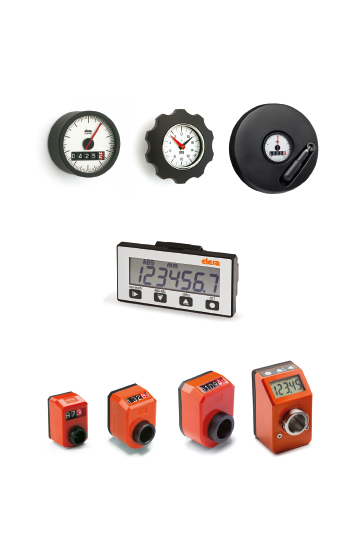
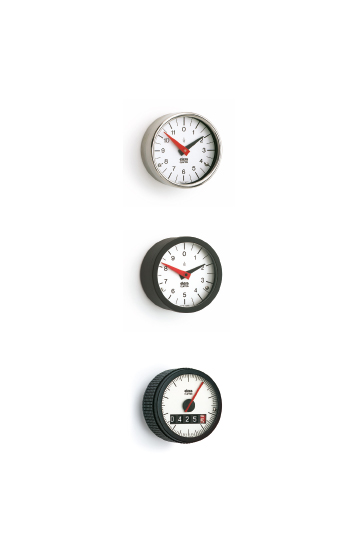
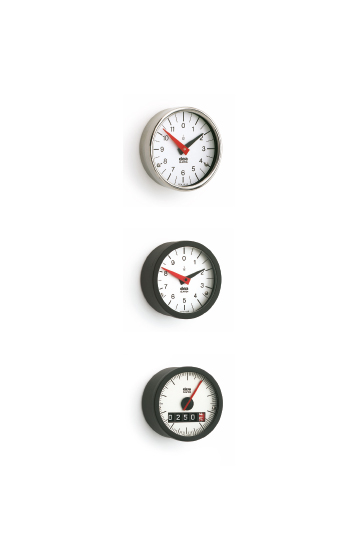
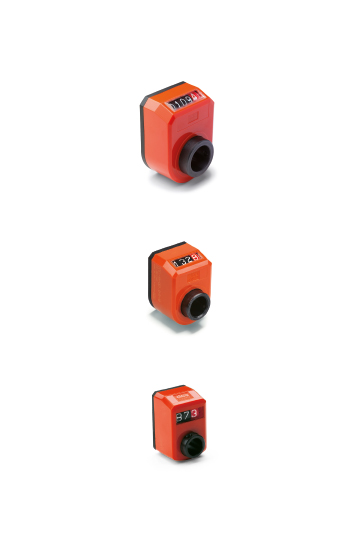
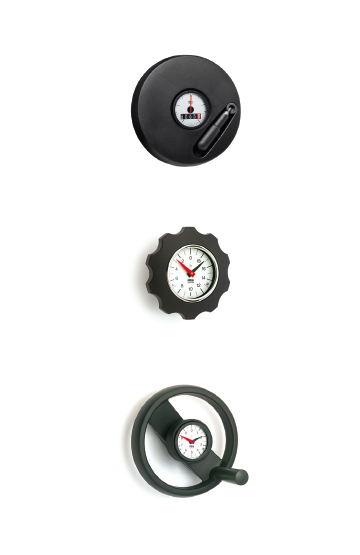
Mechanical position indicators have been a trusted solution in industrial environments for decades. Using a mechanical counting mechanism connected directly to an adjustment shaft, they provide a clear visual reference without requiring batteries or an external power source.
One of the biggest advantages of mechanical indicators is their simplicity. They are easy to install, straightforward to operate, and highly reliable in demanding industrial environments. Their durable construction and maintenance-friendly design make them particularly attractive for applications where long-term dependability is a priority.
Mechanical position indicators are often the preferred choice for manually adjusted equipment, cost-sensitive projects, and facilities operating in harsh conditions where reliability and ease of use outweigh the need for advanced functionality.
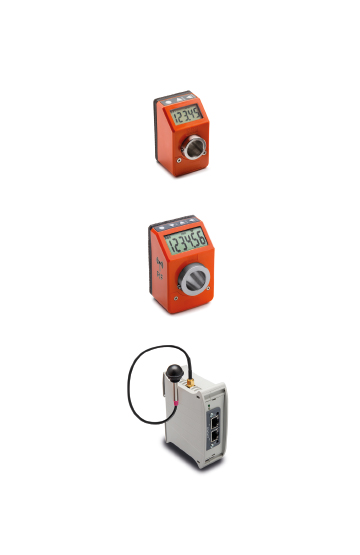
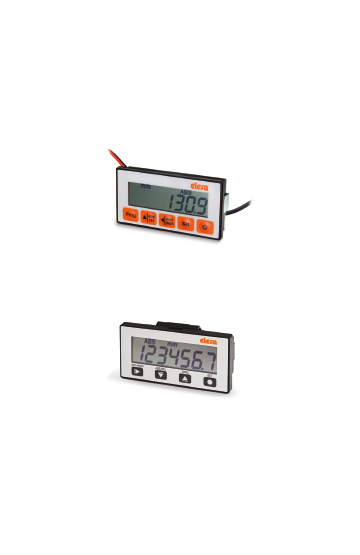
As manufacturing becomes increasingly focused on efficiency and precision, digital position indicators are gaining popularity across a wide range of industries. By displaying positional information electronically, these indicators offer enhanced readability and help reduce the potential for operator error.
Digital position indicators are especially valuable in environments where frequent setup changes occur. Clear digital displays allow operators to make adjustments more quickly and accurately, reducing downtime during changeovers and helping maintain consistent production quality.
Many digital models also provide additional functionality, such as programmable settings, unit conversion capabilities, and support for more complex adjustment requirements. These features make them particularly useful in automated and semi-automated manufacturing environments where precision and flexibility are essential.
Digital position indicators are particularly valuable in:
As manufacturing becomes increasingly data-driven, digital solutions continue to gain popularity for their ability to support efficiency and repeatability.
Rather than competing technologies, mechanical and digital position indicators often serve different operational needs. The best solution depends on the application, adjustment frequency, and performance expectations.
Selecting a position indicator requires evaluating both operational and environmental requirements. Facilities that perform frequent product changeovers may benefit from the speed and visibility offered by digital indicators. In contrast, applications that prioritize simplicity, durability, and low maintenance may find mechanical indicators to be the ideal solution.
Environmental conditions should also be considered. Exposure to dust, moisture, chemicals, vibration, and temperature fluctuations can influence component selection. In many demanding industrial settings, robust mechanical indicators continue to provide exceptional long-term performance.
Precision requirements, ease of integration, and budget considerations all play a role in determining the most suitable solution. By carefully evaluating these factors, manufacturers can improve machine setup processes while supporting greater consistency and efficiency.
The future of machine adjustment is not about choosing between mechanical and digital technologies-it is about understanding where each solution delivers the greatest value.
Mechanical position indicators continue to offer dependable, long-lasting performance for countless industrial applications, while digital position indicators provide enhanced visibility and advanced functionality for increasingly sophisticated manufacturing environments.
As equipment design continues to evolve, both technologies will remain important tools for achieving precision, consistency, and high efficiency. By selecting the right solution for the application, manufacturers can create adjustment systems that support reliable performance today while remaining adaptable for the future.
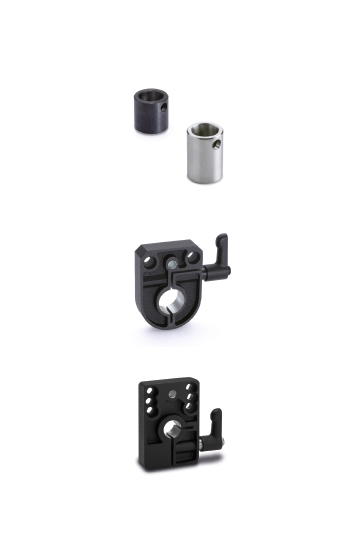
Whether you're designing new equipment or optimizing an existing machine, selecting the right positioning solution can have a significant impact on accuracy, efficiency, and overall performance. ELESA Canada offers a comprehensive range of mechanical and digital position indicators, along with complementary adjustment and positioning components designed to support precise, repeatable machine setup.
Explore our complete selection of position indicators and machine adjustment solutions to find the right fit for your application. With innovative solutions, exceptional quality, and trusted performance at the core of every product, ELESA helps manufacturers achieve greater precision and consistency in demanding industrial environments.