
Close




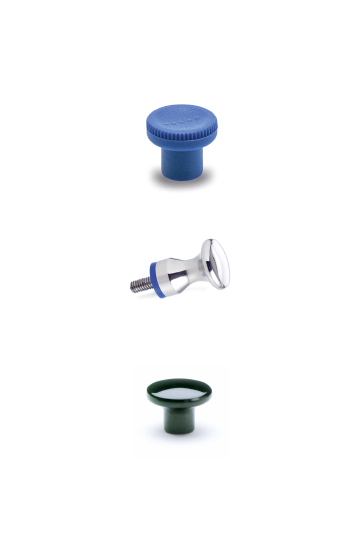
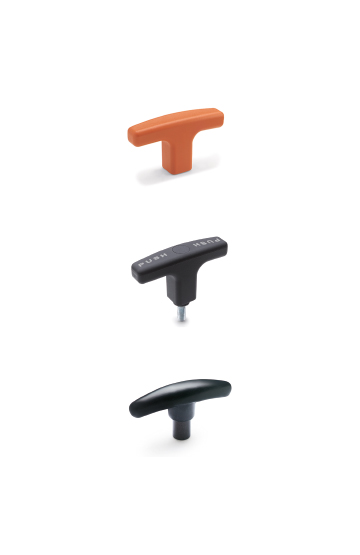
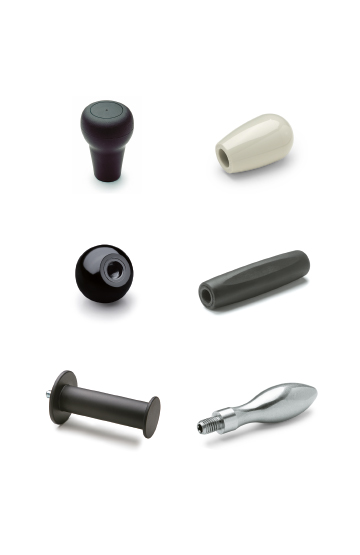
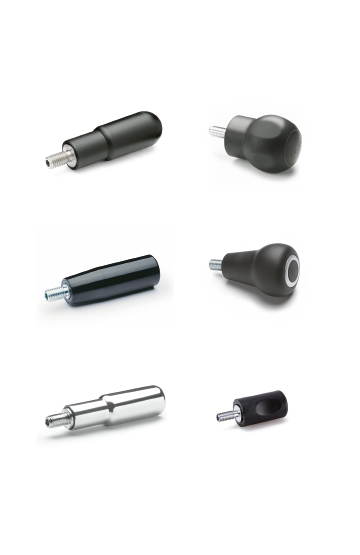
























































Why Ergonomic Adjustment Components Are Becoming a Strategic Priority in Industrial Engineering
May 11, 2026
Reading time: minutes
Industrial engineering is evolving. While performance, durability, and precision remain critical, there is a growing recognition that operator interaction plays an equally important role in overall system efficiency. As manufacturing environments become more advanced, designing for the people using the equipment is no longer optional, it's a strategic priority.
Poorly designed adjustment components can lead to operator fatigue, inconsistent setup, and reduced productivity. In contrast, ergonomic, user-friendly components support smoother workflows, improved safety, and more reliable outcomes.
So how can industrial designers better support operator performance? And why are ergonomic adjustment components becoming essential in modern equipment design?
What Are Ergonomic Adjustment Components?
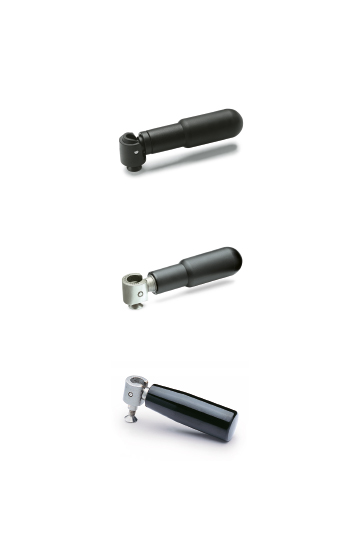
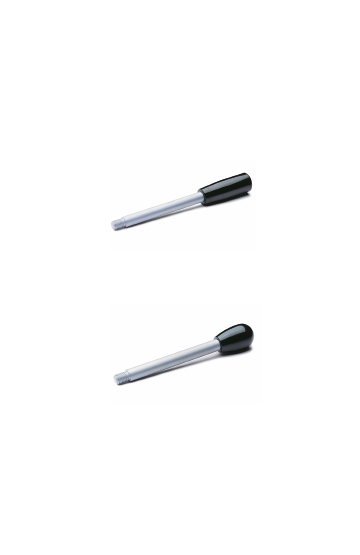
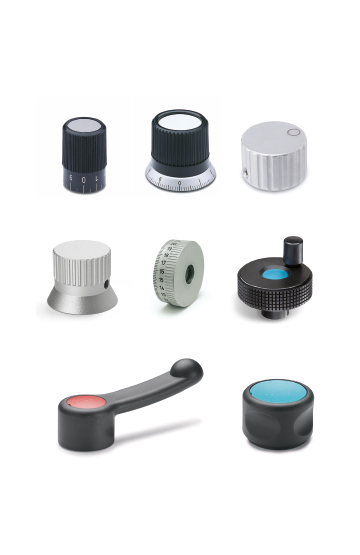
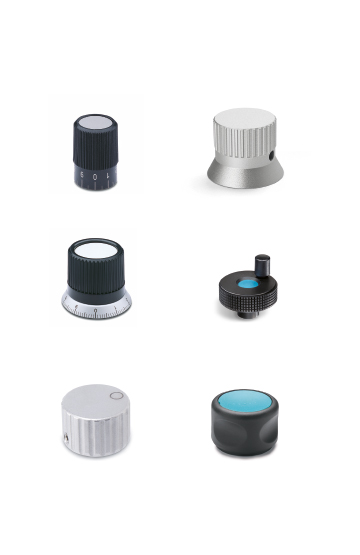
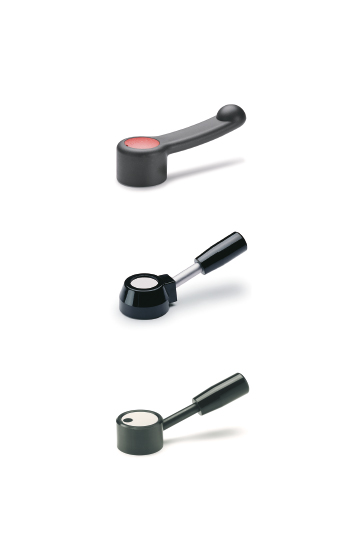
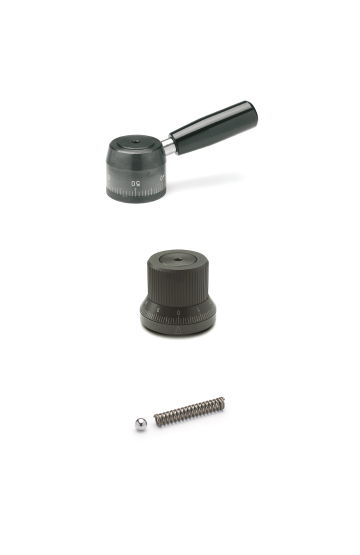
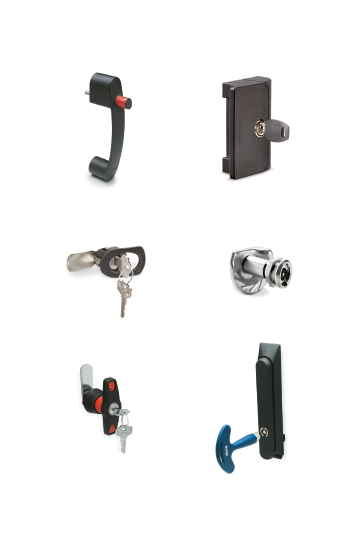
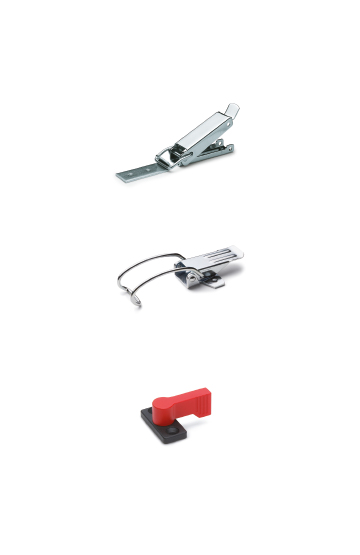
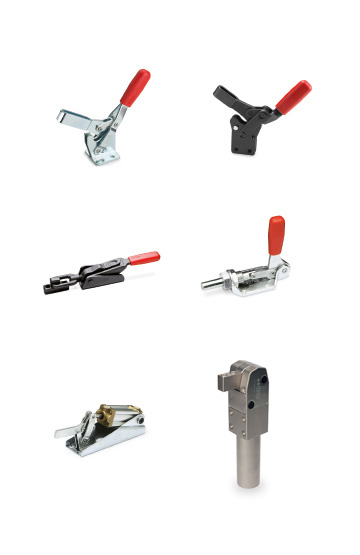
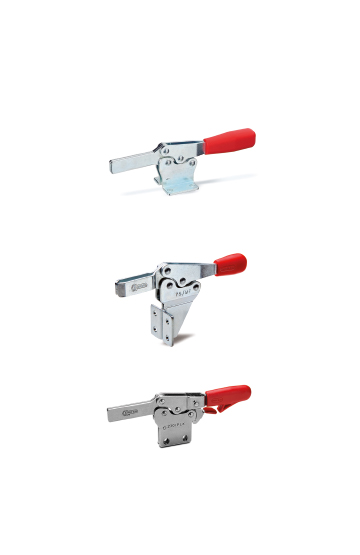
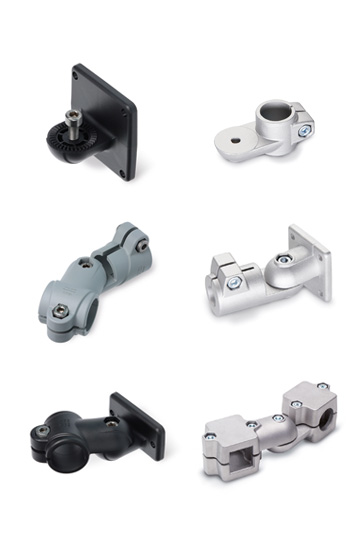
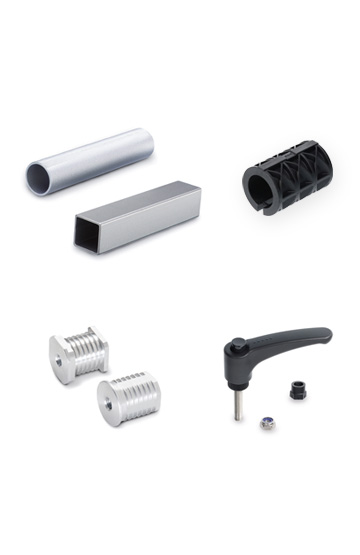
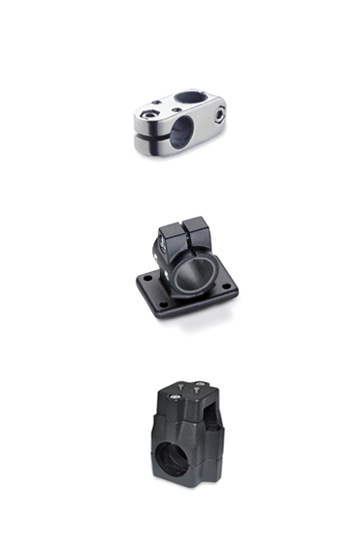
Ergonomic adjustment components are mechanical elements designed to allow operators to safely and efficiently adjust equipment settings with minimal effort and maximum control.
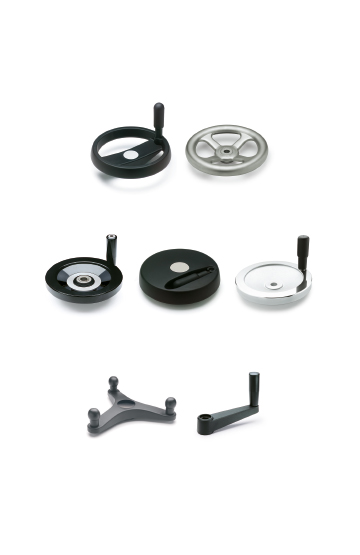
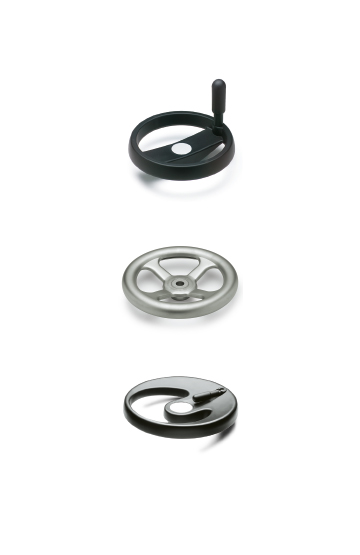
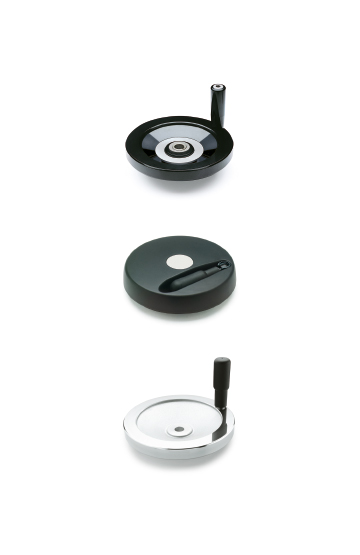
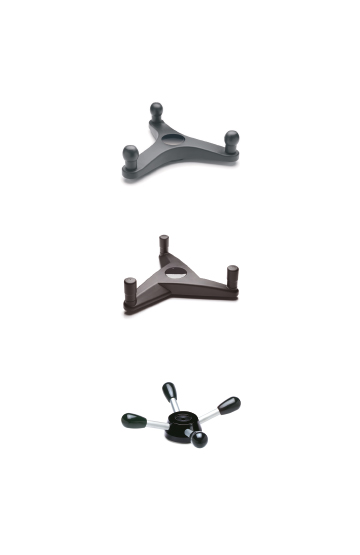
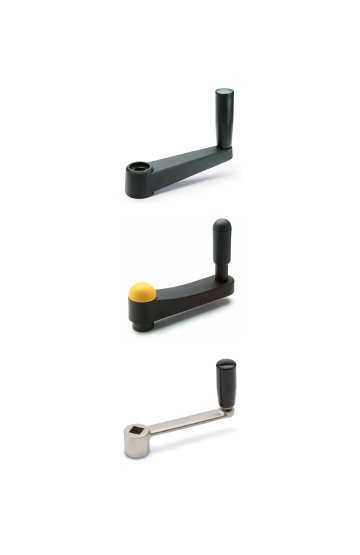
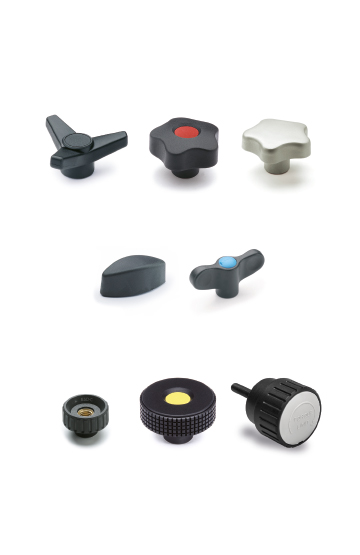
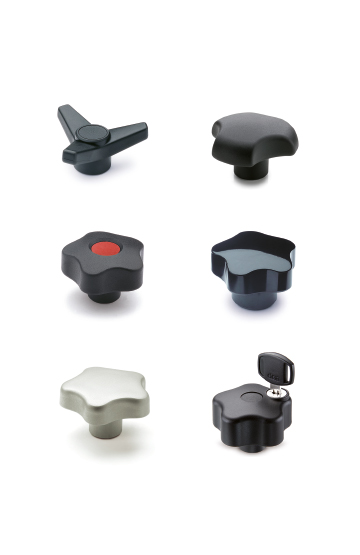
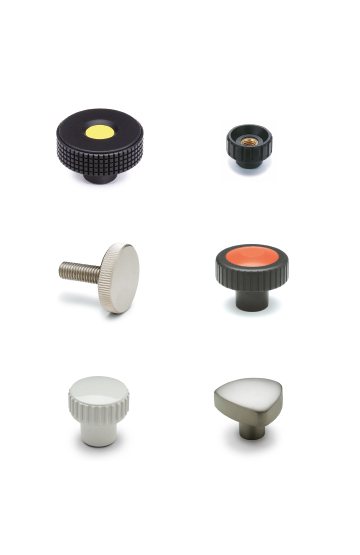
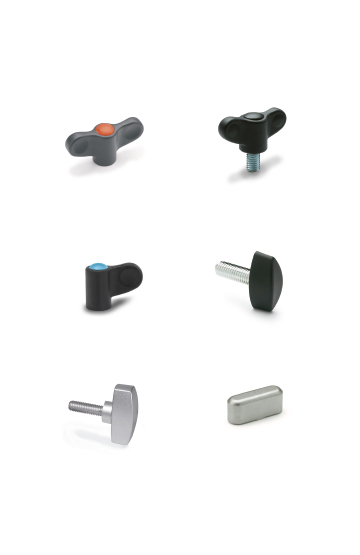
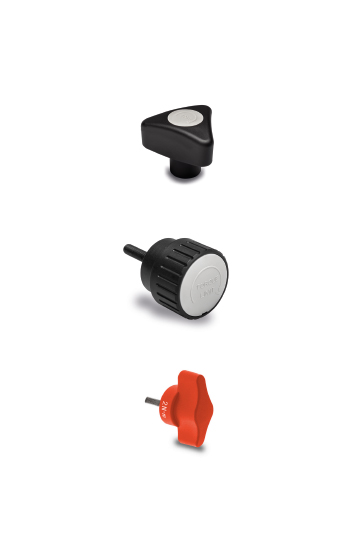
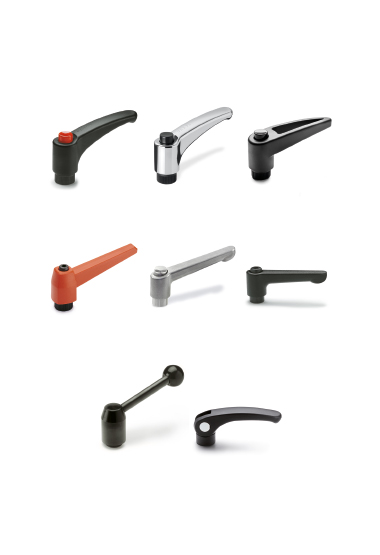
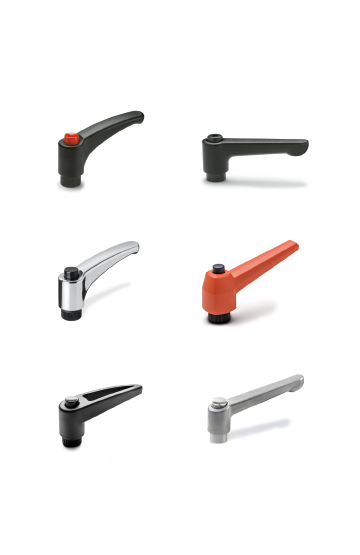
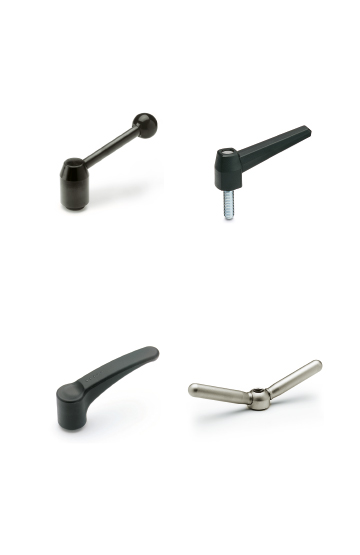
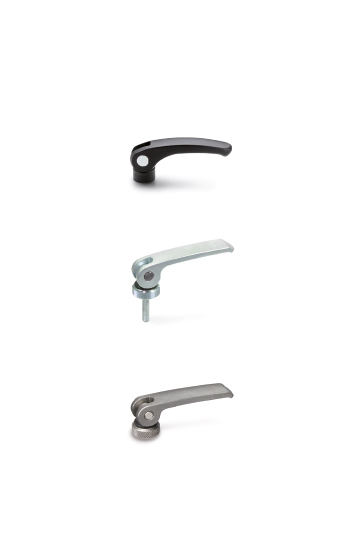
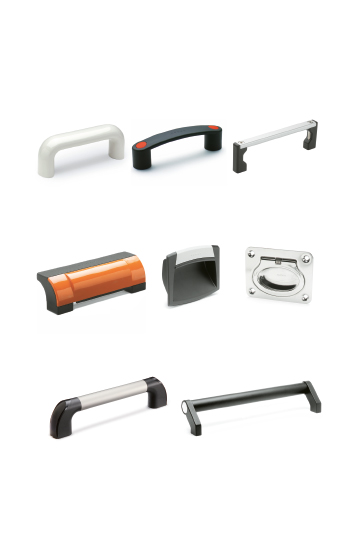
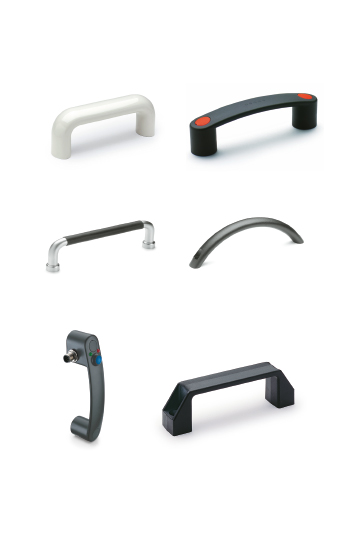
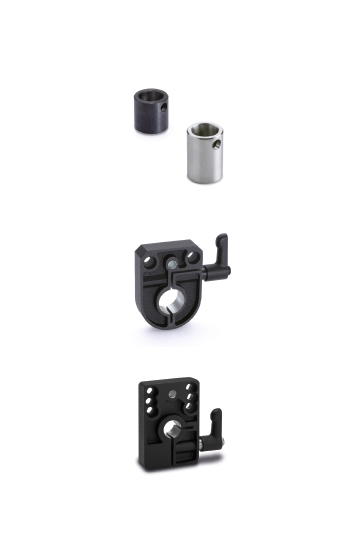
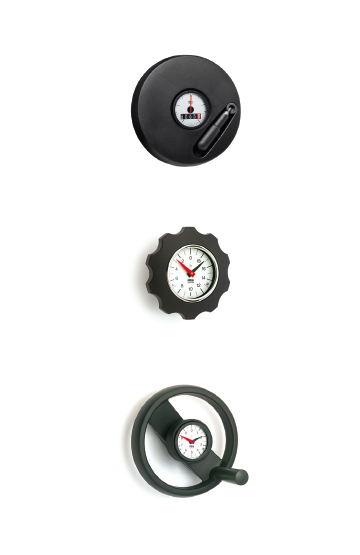
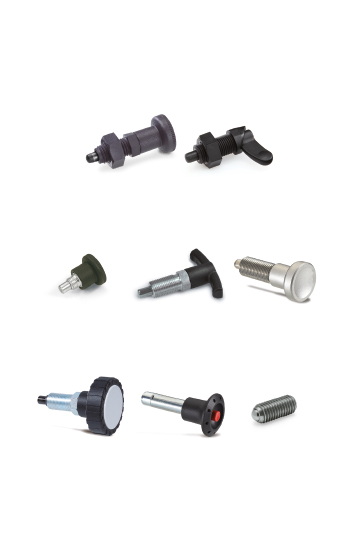
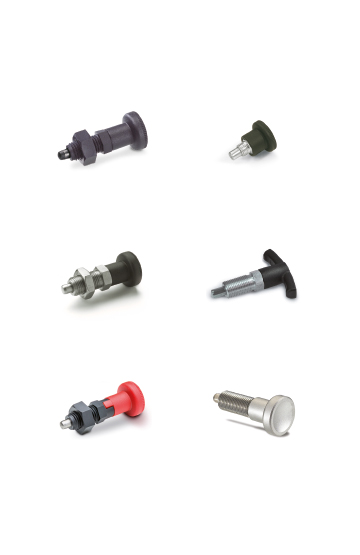
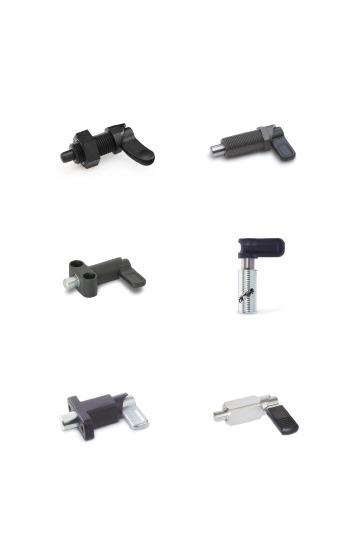
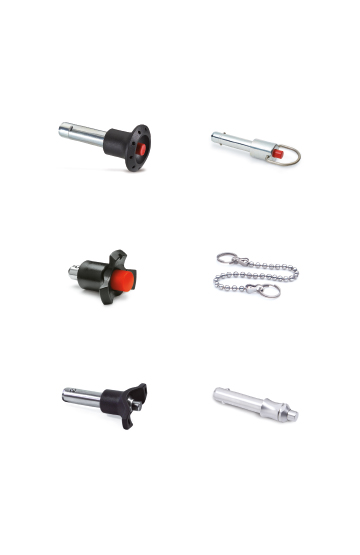
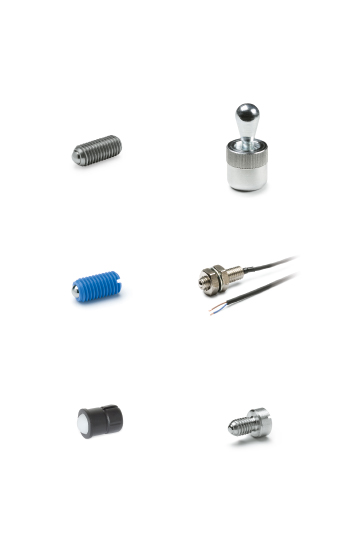
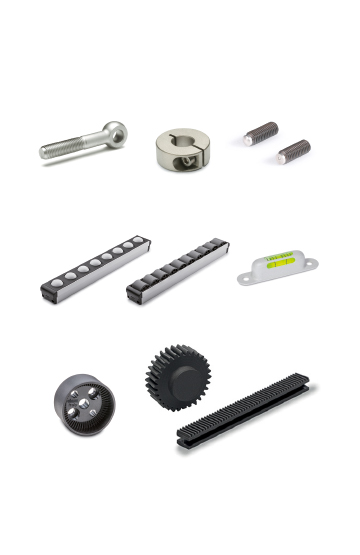
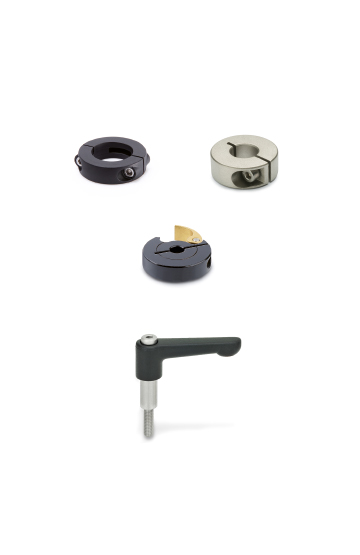
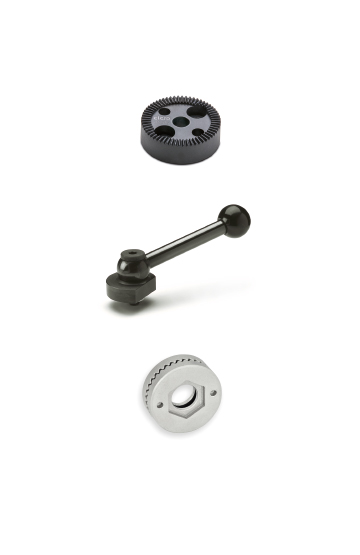
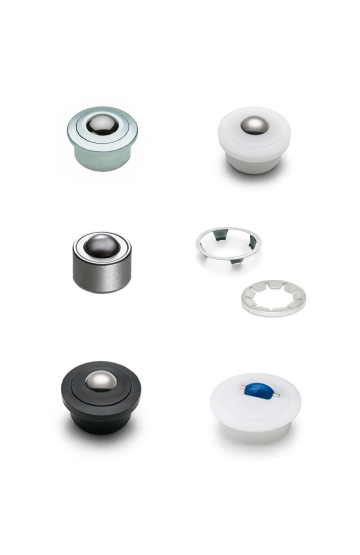
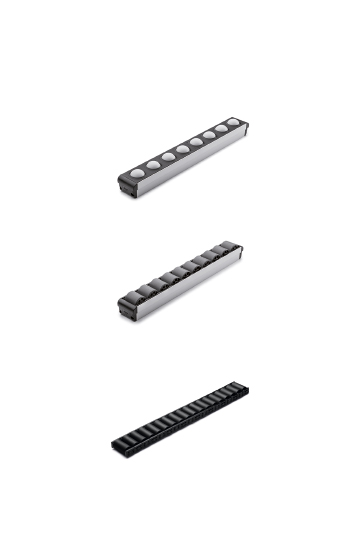
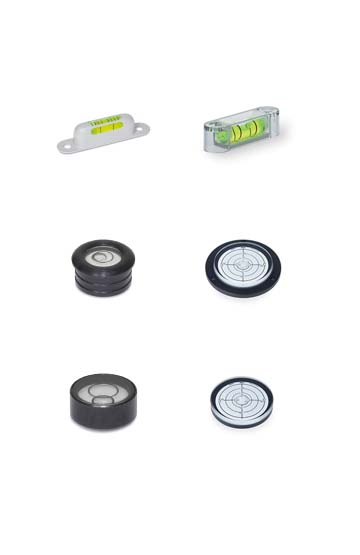
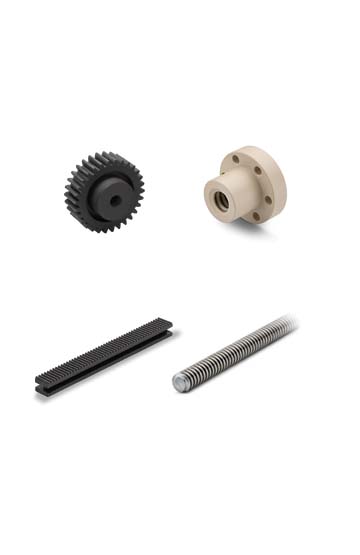
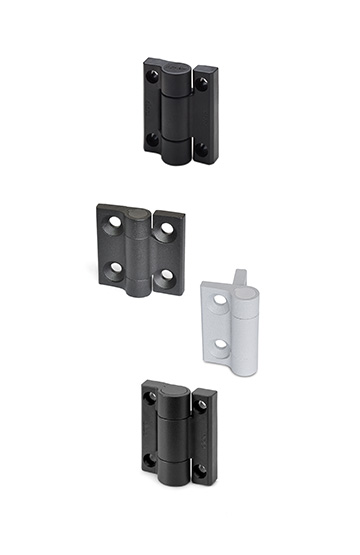
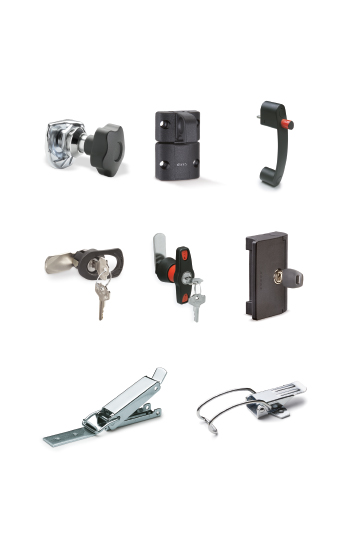
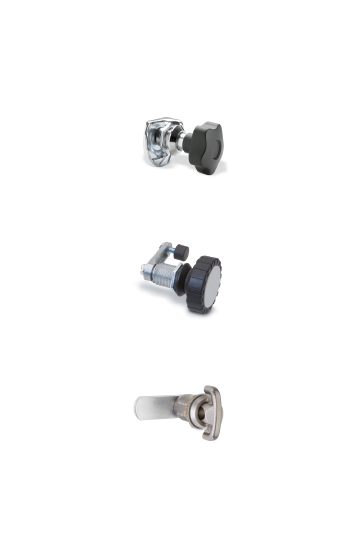
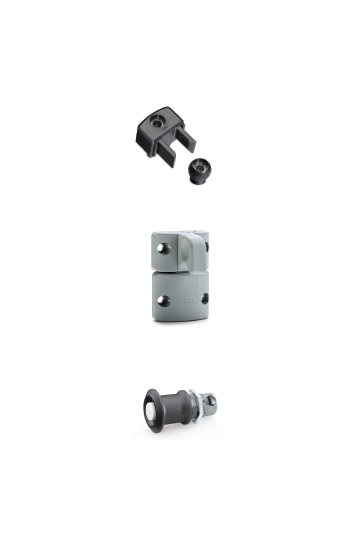
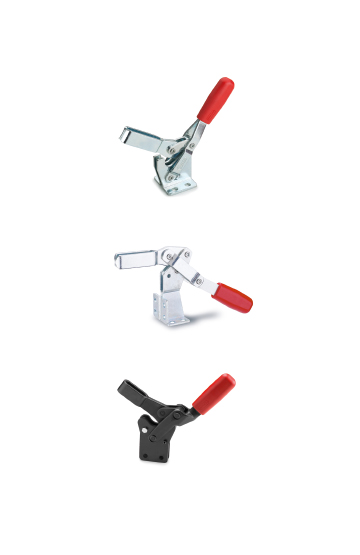
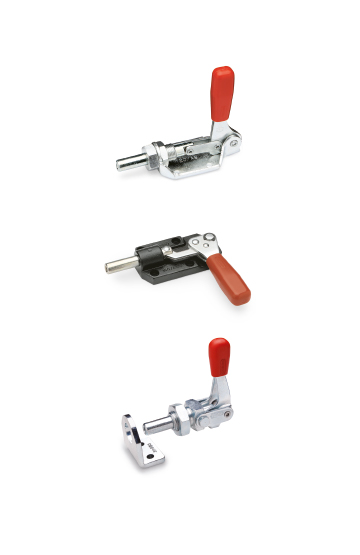
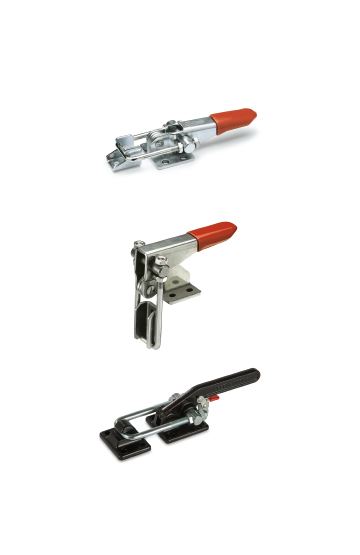
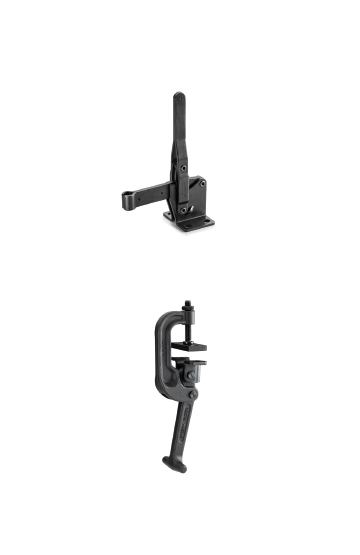
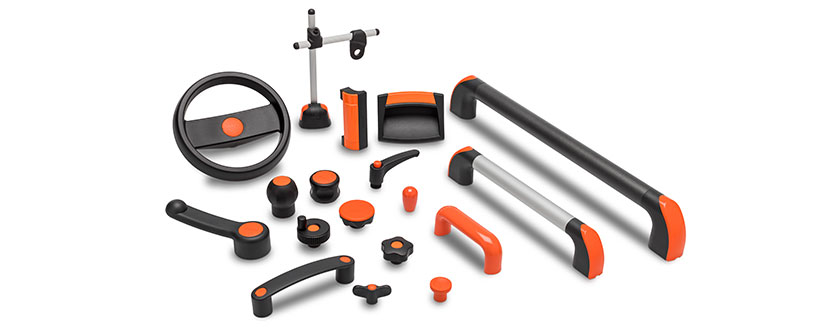
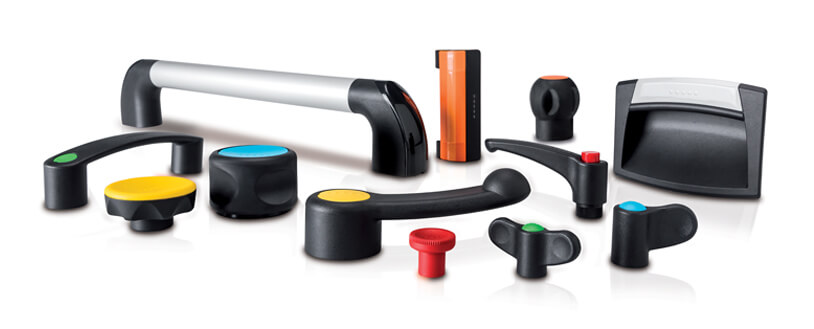
These components include:
Their purpose is to provide precise, repeatable adjustments while maintaining comfort and ease of use - even in demanding industrial environments.
Why Ergonomics Matters in Industrial Applications
In high-use environments, even small inefficiencies in component design can have a significant impact over time.
Ergonomic design offers several key benefits in industrial applications. One of the most important is the reduction of operator fatigue, as components designed for natural hand positioning help minimize strain during repetitive tasks. This becomes especially valuable in high-use environments where comfort directly impacts productivity over time.
Ergonomics also contributes to improved safety. Components that provide better grip, control, and force application help reduce the risk of slips, errors, or improper adjustments.
At the same time, increased efficiency is achieved through faster, more intuitive interactions, allowing operators to make adjustments quickly and keep workflows moving smoothly.
Finally, ergonomic components support greater consistency. By making adjustments easier and more controlled, operators are able to achieve more repeatable results with less variability, which is essential for maintaining quality and precision in industrial processes.
As production speeds increase and labor challenges continue, these benefits contribute directly to productivity and operational performance.
Where Ergonomic Components Make the Biggest Impact
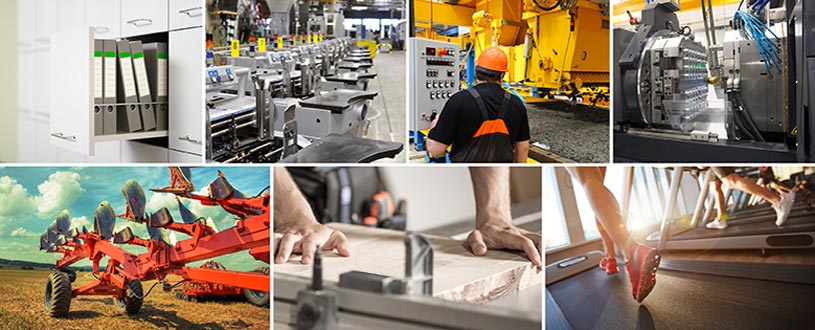
Ergonomic adjustment components are used across a wide range of industries and applications:
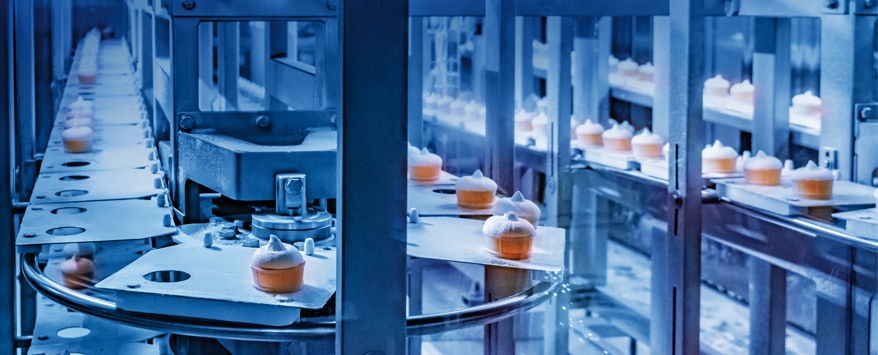
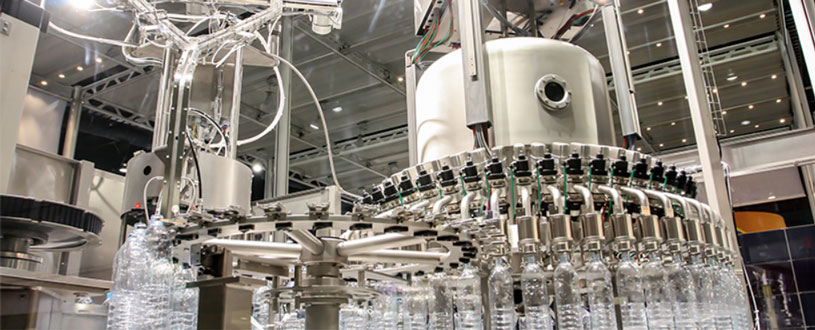
Packaging and processing equipment
Assembly workstations
Machine guarding systems
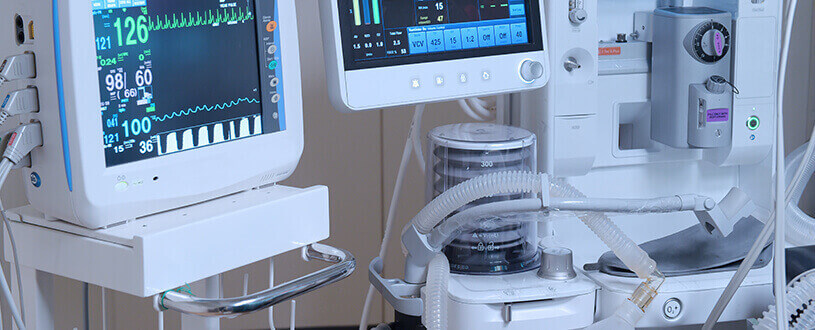
Medical and laboratory equipment
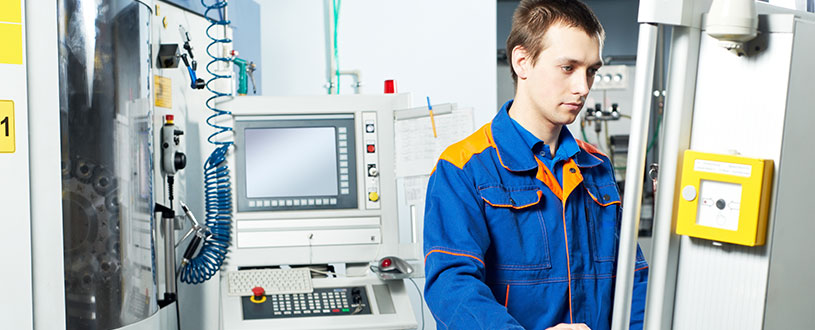
CNC machinery and tooling setups
In each of these environments, operators rely on consistent, comfortable interaction with equipment, making ergonomic design a key factor in long-term performance.
While often associated with industrial environments, ergonomic components also play an important role in consumer-facing applications. Products such as fitness equipment, adjustable furniture, medical devices, and home workshop tools all benefit from user-friendly, ergonomic design.
In these contexts, ease of use and comfort are just as critical as performance. Well-designed knobs, levers, and adjustment mechanisms allow users to make quick, confident adjustments without excessive effort. This not only improves the overall experience but also enhances safety and perceived product quality.
Whether in industrial or consumer applications, ergonomic components help bridge the gap between performance and usability, ensuring that equipment works seamlessly for the people using it.
Organizations are increasingly recognizing that investing in ergonomic, high-quality components lead to better outcomes over time.
Key Design Considerations When Selecting Ergonomic Adjustment Components
When selecting ergonomic adjustment components, engineers need to take several practical factors into account to ensure optimal performance. Grip design and material play an important role in usability, as they directly affect comfort, control, and how easily an operator can interact with the component during repeated use.
Force requirements are another key consideration, as components must be easy to operate while still delivering the necessary holding or adjustment strength. The frequency of adjustment also matters. Components used more often should prioritize ease of use and durability to support consistent, long-term performance.
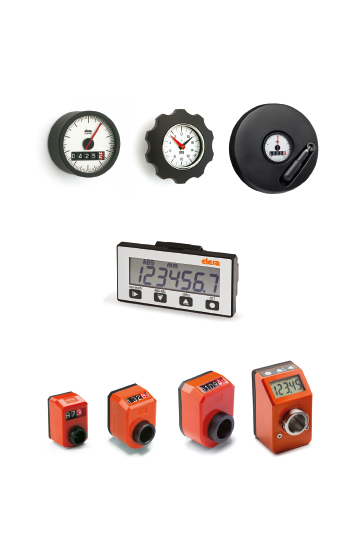
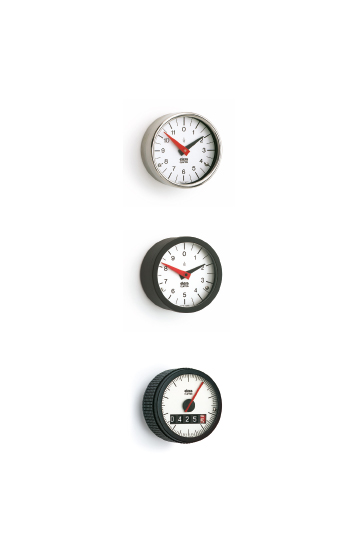
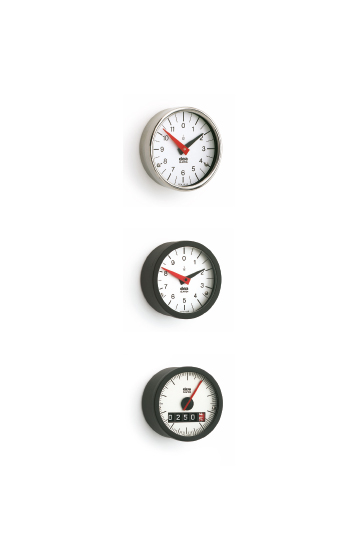
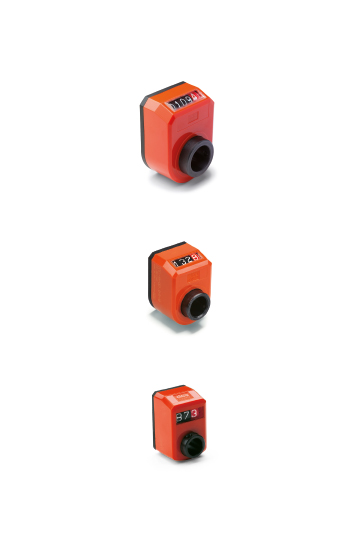
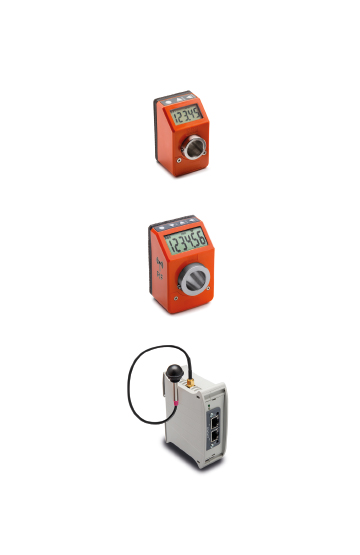
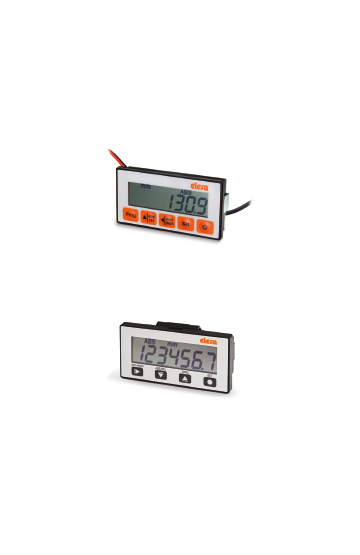
Environmental conditions must also be evaluated, including exposure to temperature variations, chemicals, or washdown processes, as these factors can impact material selection and longevity. Finally, visibility and feedback - such as the use of position indicators - help operators make accurate, repeatable adjustments, improving both precision and overall efficiency.
These factors ensure components deliver long-lasting performance, reliability, and usability in real-world conditions.
The Shift Toward Human-Centered Design
Designing for people is no longer a secondary consideration, it is central to achieving high performance, reliability, and long-term efficiency. ELESA Canada delivers ergonomic, high-performing components that combine innovative solutions, exceptional quality, and trusted performance.
Discover how ELESA's ergonomic components can help improve usability, safety, and efficiency across your equipment.
