
Close


































































Clamping for Competitive Advantage: How Modern Toggle Clamp Design Elevates Precision and Throughput...
Apr 6, 2026
Reading time: minutes
In today's manufacturing settings, clamping does more than simply support the process - it helps ensure precision, consistency, and smooth, efficient output. Across industries such as automotive, packaging, aerospace, and general fabrication, industrial toggle clamps play a key role in maintaining repeatable positioning and minimizing production variability.
Without reliable clamping, components can shift during operation, leading to misalignment, quality issues, and increased scrap. In high-volume environments, even minor inconsistencies can impact efficiency and overall productivity.
So how can manufacturers improve repeatability while maintaining speed? And what makes modern toggle clamp design more effective than ever?
What is a Toggle Clamp?
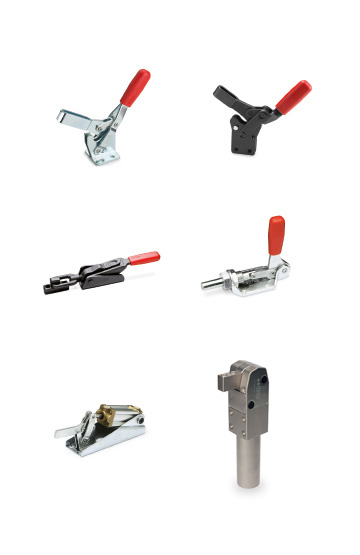
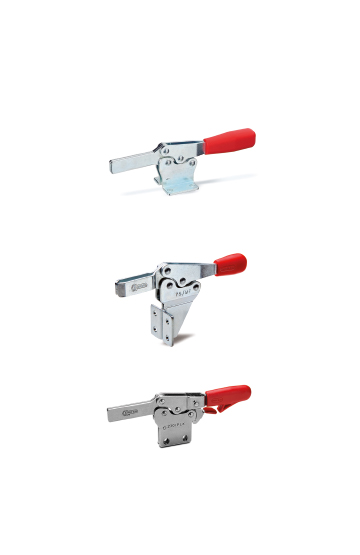
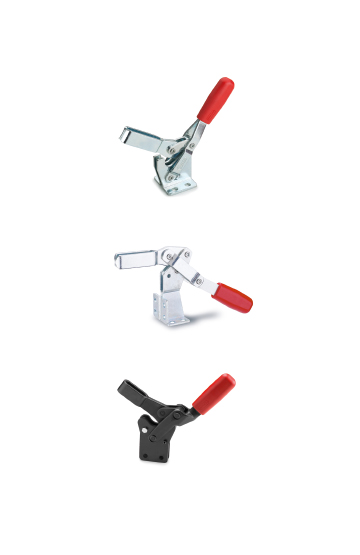
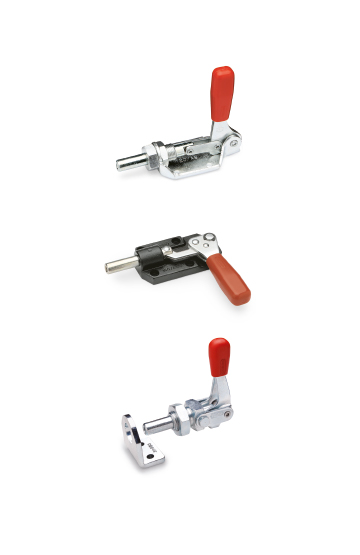
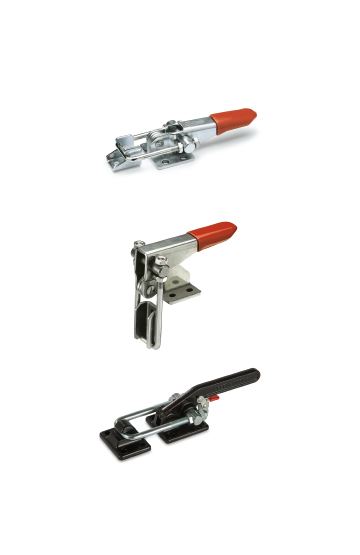
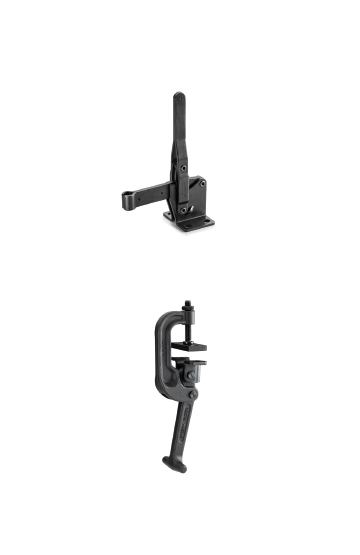
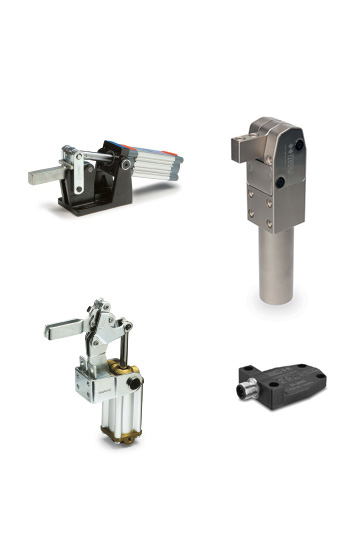
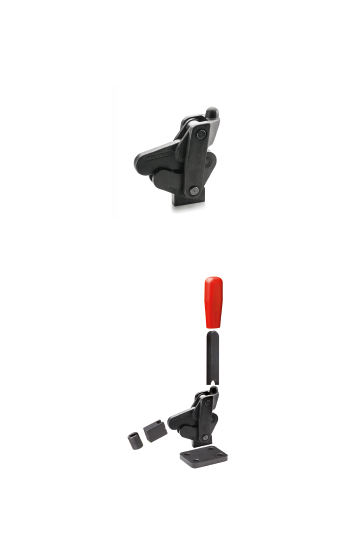
A toggle clamp is a mechanical device used to securely hold a workpiece in place using an over-center locking mechanism. Designed for quick engagement and release, industrial toggle clamps provide consistent clamping force with minimal operator effort.
They typically include:
- A handle
- A toggle linkage system
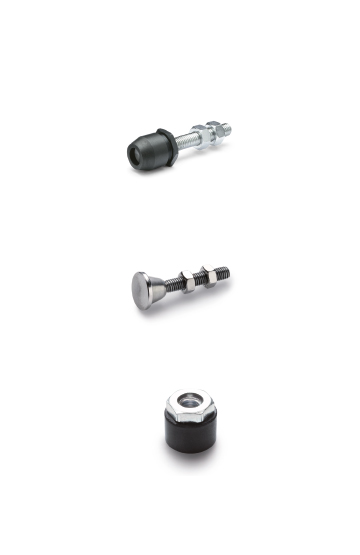
- A clamping arm or spindle
- A mounting base
Common uses include:
- Welding and fabrication fixtures
- Assembly workstations
- CNC machining setups
- Inspection and testing stations
Because of their ergonomic design and high efficiency, toggle clamps are widely used in applications requiring both speed and repeatability.
How Do Toggle Clamps Work?
Understanding how toggle clamps work helps ensure proper selection and application.
Key functional elements:
- Over-center locking mechanism
The linkage moves past a center point to lock securely, maintaining force without continuous input - Force multiplication
The toggle linkage amplifies input force to deliver strong, consistent clamping - Repeatable positioning
Each cycle applies the same clamping force, supporting precision and consistency - Quick release operation
The handle disengages easily, allowing fast part changes and improved workflow
This simple yet high-performing design supports dependable, long-lasting performance in demanding industrial environments.
What Are Toggle Clamps Used For?
Industrial toggle clamps are used wherever secure, repeatable holding is required:
- Welding fixtures and jigs
- Assembly lines
- Packaging equipment
- CNC machining operations
- Quality control and inspection setups
Their versatile, user-friendly design makes them ideal for both manual and semi-automated processes.
Toggle Clamps vs Other Clamping Methods
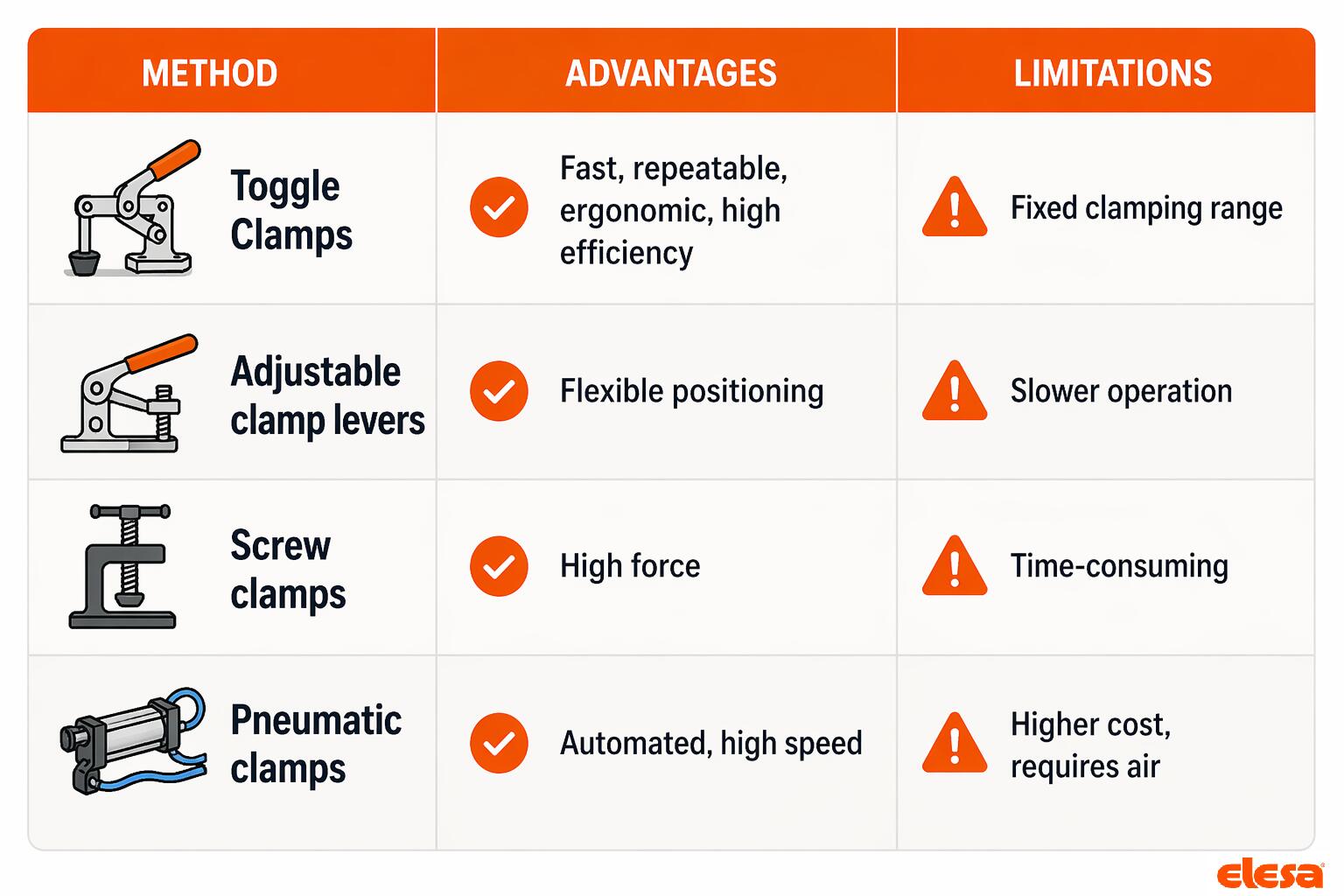
Toggle clamps are ideal when speed, repeatability, and ease of use are more important than maximum adjustable force.
How to Choose the Right Toggle Clamp
Selecting the right industrial toggle clamp requires careful evaluation of:
- Required clamping force
- Workpiece size and geometry
- Mounting orientation (vertical or horizontal)
- Environmental conditions (corrosion, washdown, temperature)
- Frequency of use and cycle rate
Choosing the correct configuration ensures durability, safety, and consistent performance over time.
Are you selecting clamps based on real operating conditions - or just availability?
Related Clamping and Positioning Components
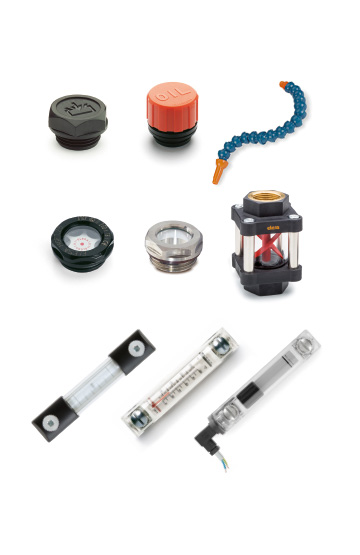
To build a complete and efficient workholding system, toggle clamps are often used alongside:
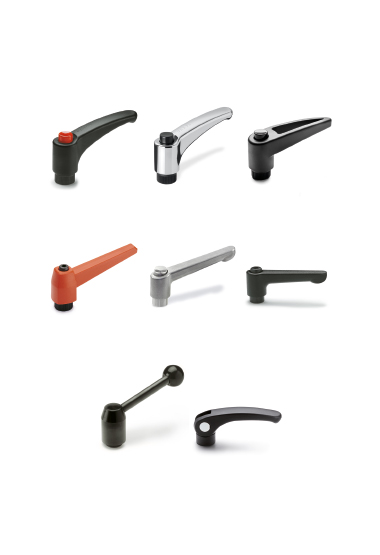
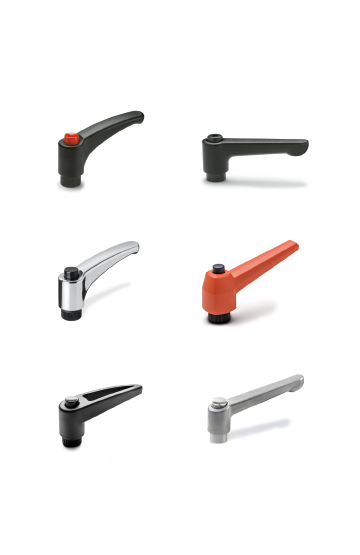
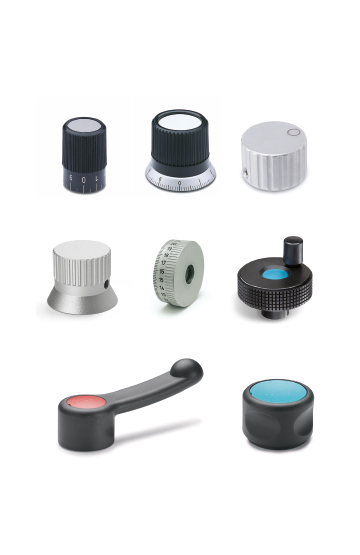
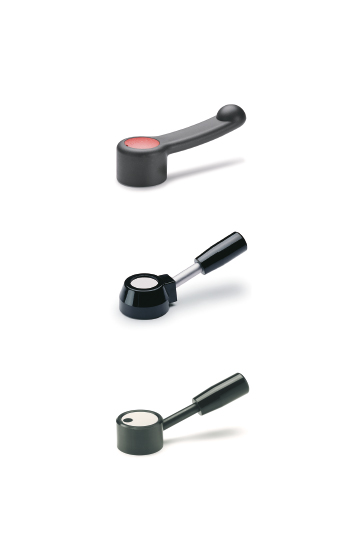
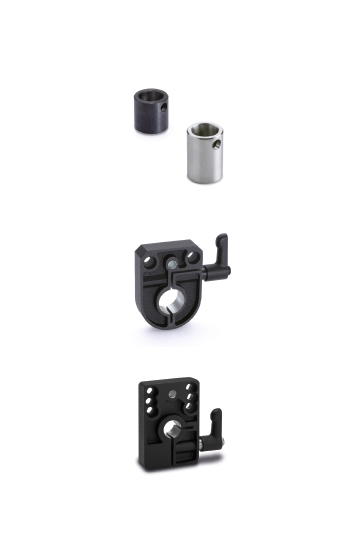
- Adjustable clamp levers
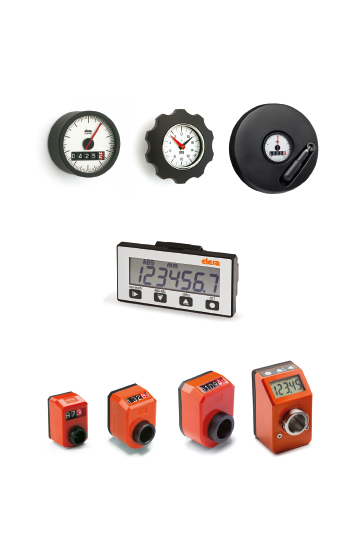
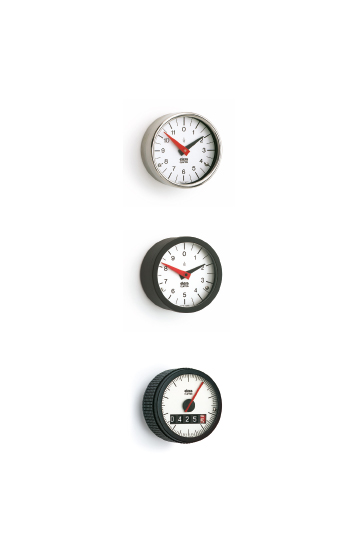
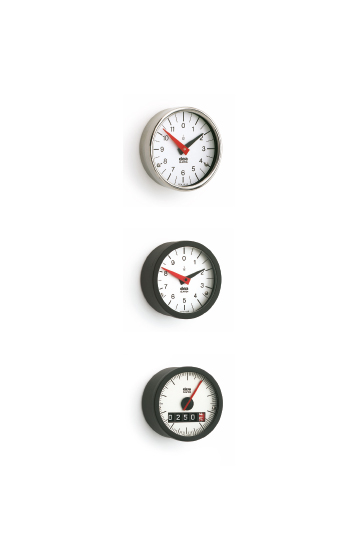
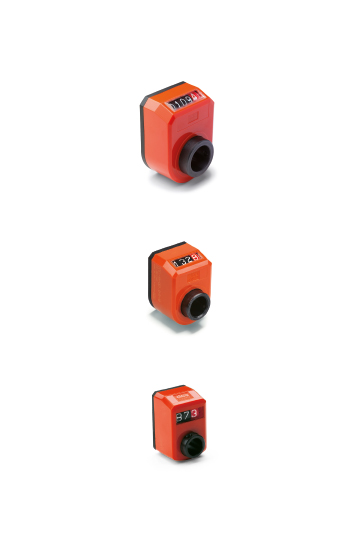
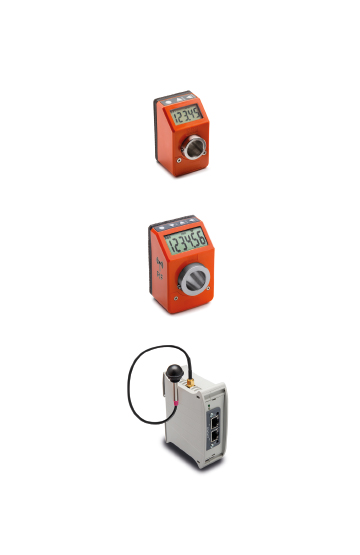
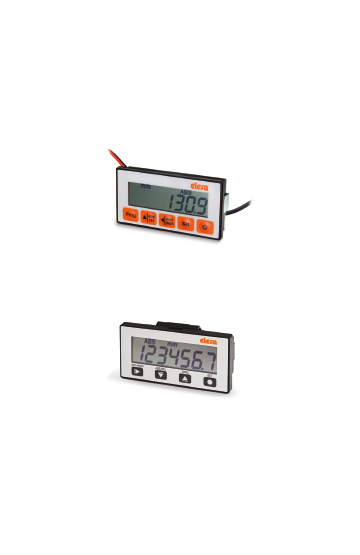
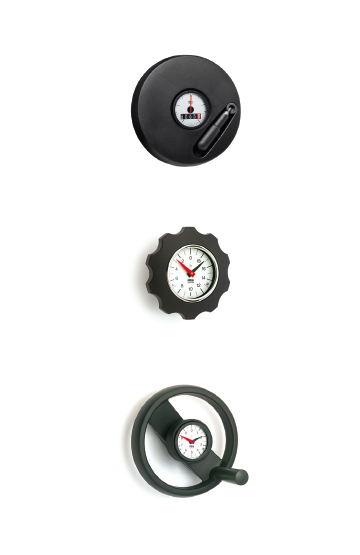
- Position indicators
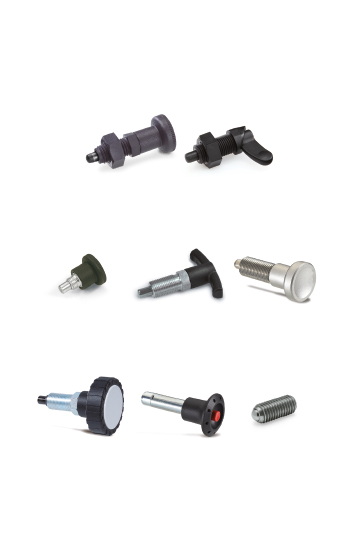
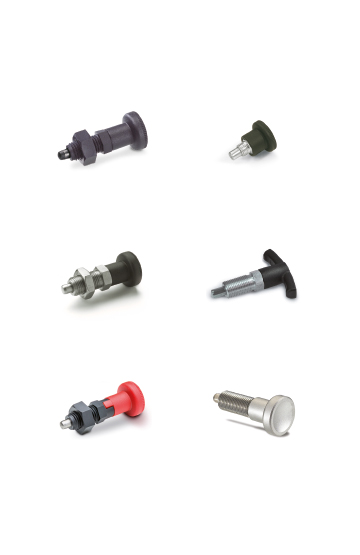
- Indexing plungers
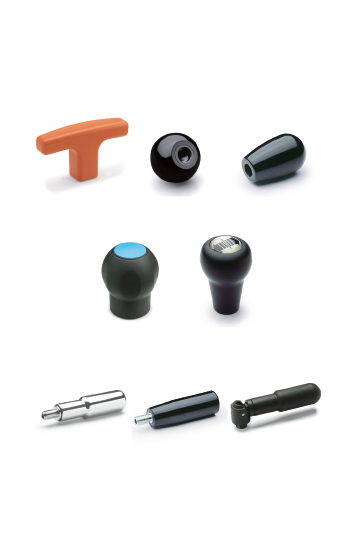
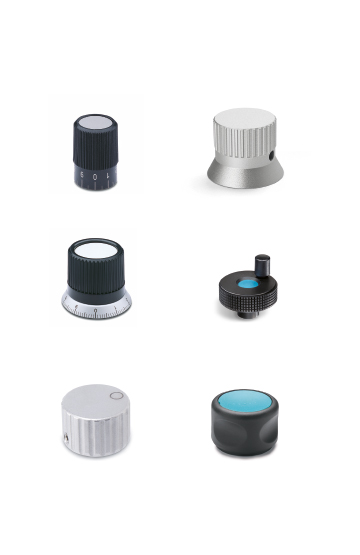
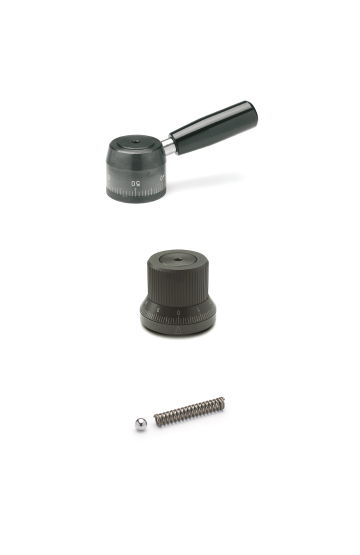
- Control knobs
These components support modular, customizable solutions that improve usability, precision, and workflow efficiency.
Explore ELESA's Toggle Clamp Solutions
When precision, speed, and consistency directly impact productivity, clamping becomes a competitive advantage. ELESA Canada offers high-performance, industrial-grade toggle clamps designed with exceptional quality, reliability, and innovative solutions at their core.
Explore ELESA's toggle clamp solutions to discover components proudly engineered, expertly designed, and built to perform in demanding industrial environments.
