
Close




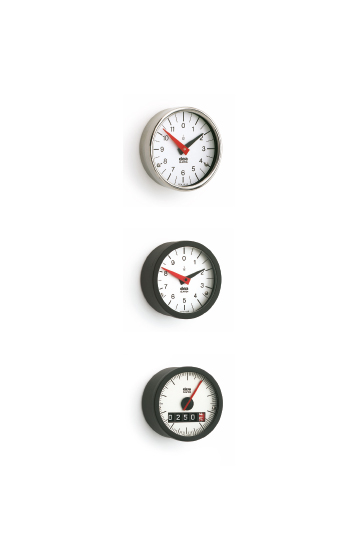
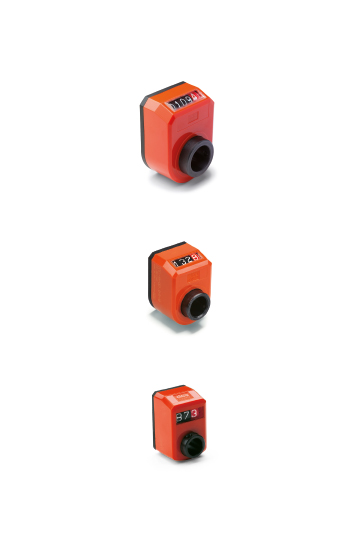
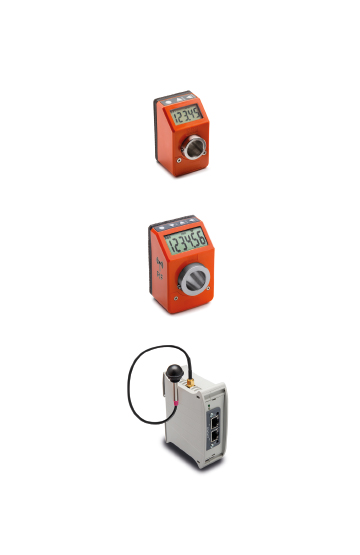
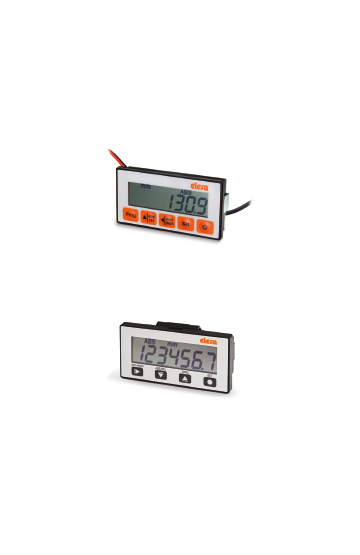






















































Rethinking Machine Accuracy: The Expanding Role of Position Indicators in Canada’s Modern Manufactu...
Jan 12, 2026
Reading time: minutes
In Canada’s modern manufacturing environment, accuracy is no longer a secondary concern—it is a competitive necessity. From aerospace and food processing to packaging, metal fabrication, and automation, manufacturers are under constant pressure to improve machine accuracy while reducing downtime and setup complexity.
At the centre of this evolution is a category of components that often works quietly in the background but delivers outsized impact: position indicators.
As industrial systems become more flexible and changeovers more frequent, position indicators—both mechanical and digital—are redefining how Canadian manufacturers approach precision, repeatability, and industrial adjustment systems.
Why Machine Accuracy Matters More Than Ever
Machine accuracy directly affects:
- Product quality
- Scrap rates
- Throughput
- Operator confidence
Even small deviations in positioning can result in inconsistent outputs, increased wear on equipment, or costly rework. In highly regulated Canadian industries—such as medical devices or food production—precision is also closely tied to compliance and traceability.
Historically, accuracy relied heavily on skilled operators making manual adjustments, often using trial-and-error methods. While experience still matters, modern manufacturing increasingly depends on repeatable, measurable adjustments that reduce variability across shifts and facilities.
This is where industrial adjustment systems, and specifically position indicators, have become essential.
The Evolving Role of Position Indicators
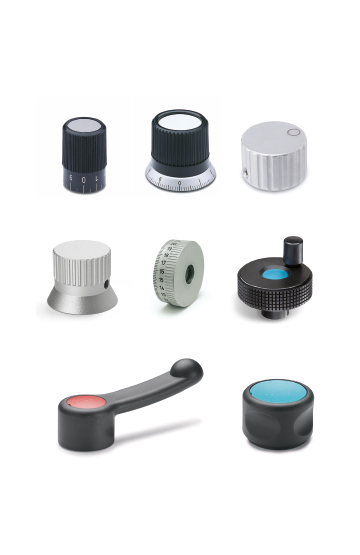
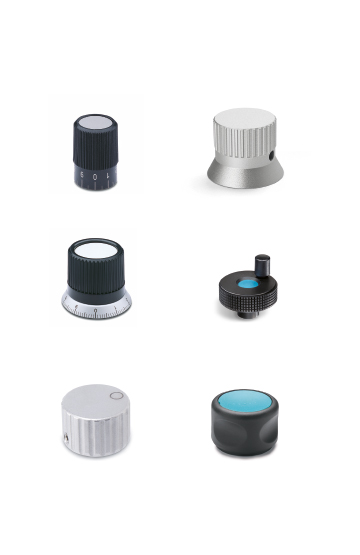
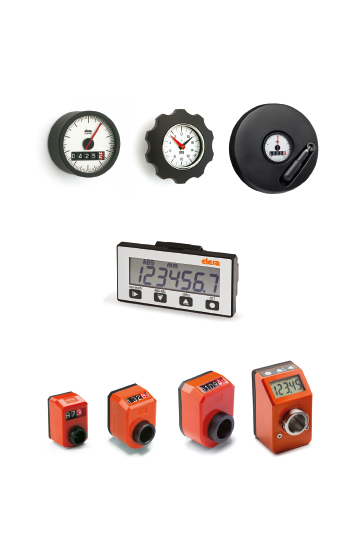
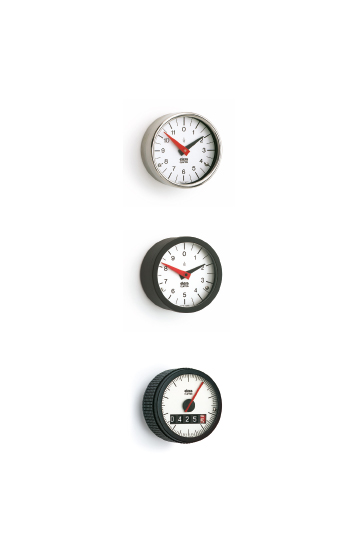
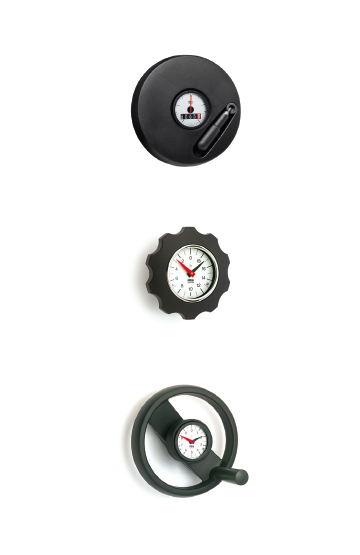
Position indicators provide a direct visual or digital reference for machine settings such as:
- Height
- Angle adjustment
- Linear position
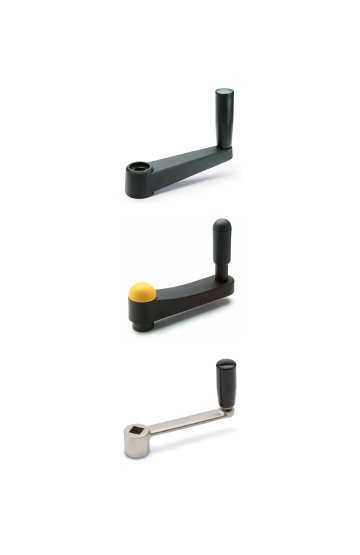
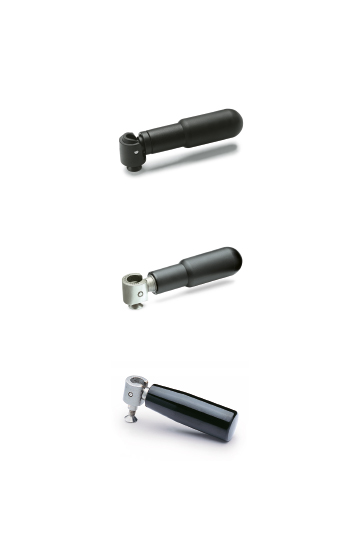
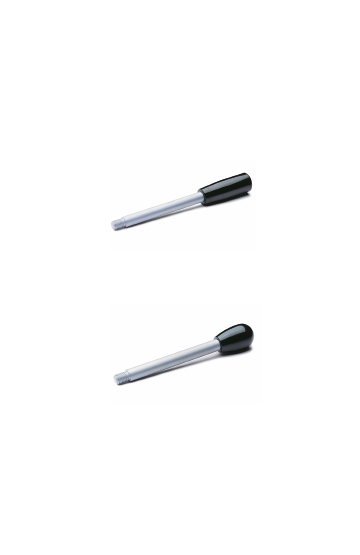
Whether mounted on adjustable handles, lead screws, or leveling systems, they allow operators to return to exact positions quickly and reliably.
From Mechanical to Digital Precision
Traditional mechanical position indicators remain widely used for their:
- Durability
- Simplicity
- Cost-effectiveness
However, the growing adoption of digital position indicators and electronic position indicators is transforming expectations around machine accuracy.
Advantages of Digital Position Indicators
Digital solutions offer:
- Higher resolution and clearer readouts
- Faster changeovers and setup times
- Reduced risk of operator error
- Integration with automated or semi-automated systems
In Canadian smart factories, these advantages directly support lean manufacturing goals and continuous improvement initiatives.
Supporting Flexible Manufacturing and Faster Changeovers
Manufacturers across Canada are shifting toward:
- Smaller batch sizes
- More frequent product variations
This flexibility demands adjustment systems that are both precise and intuitive.
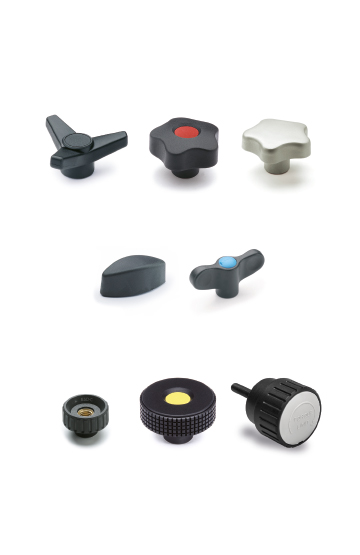
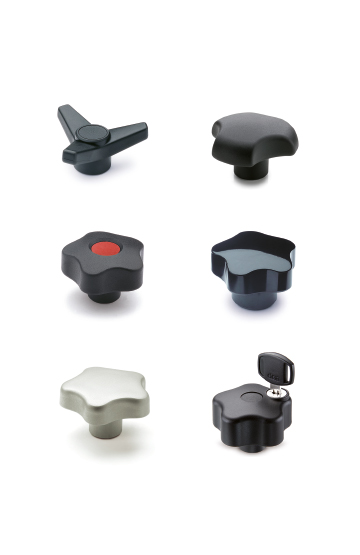
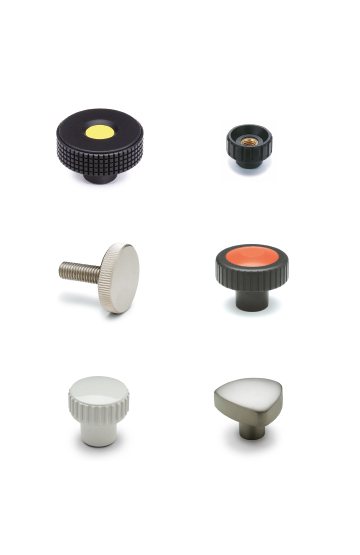
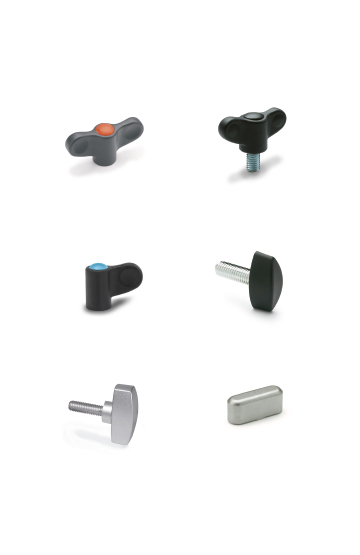
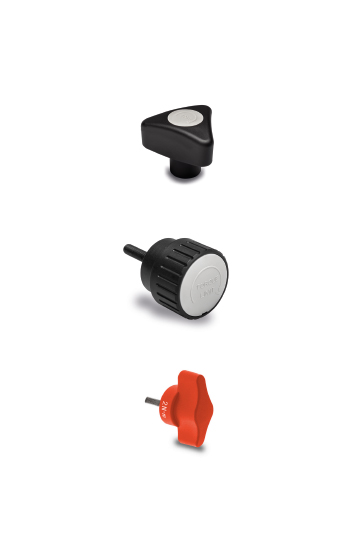
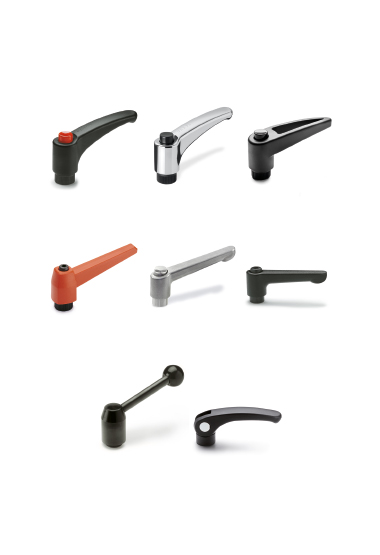
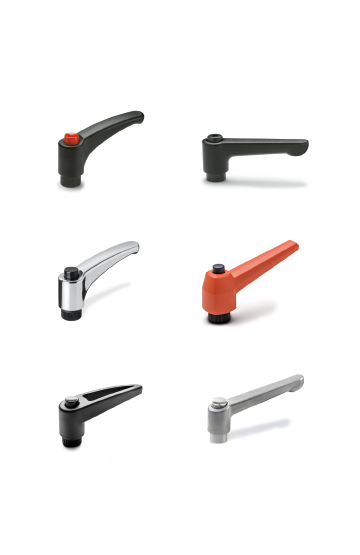
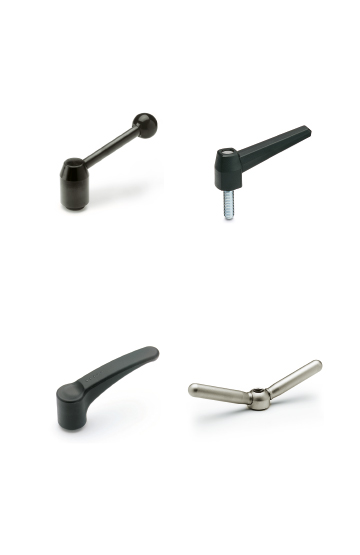
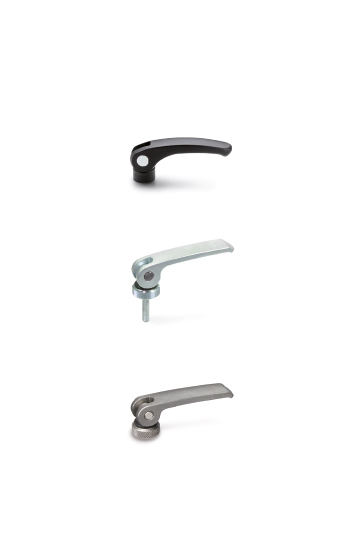
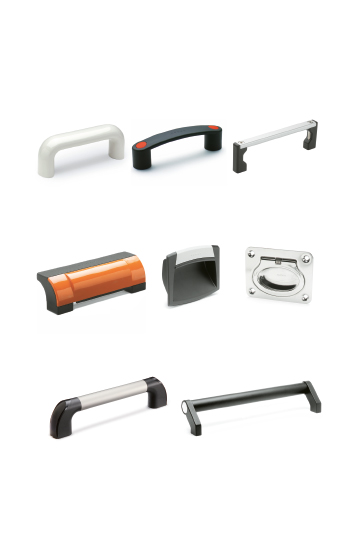
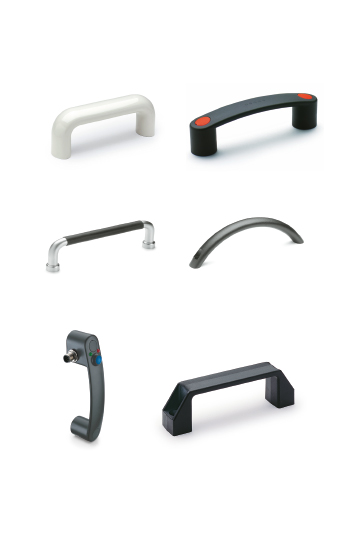
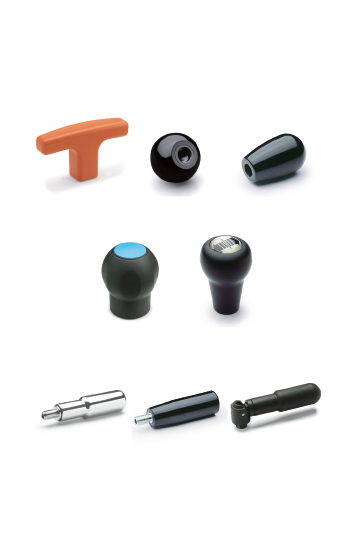
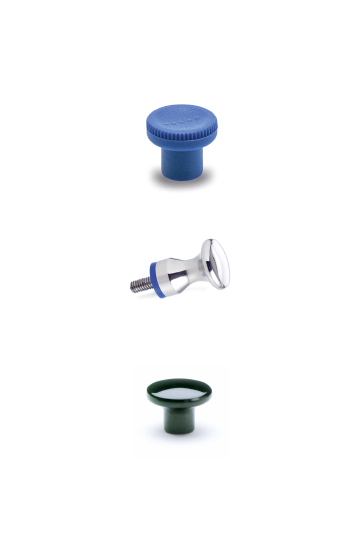
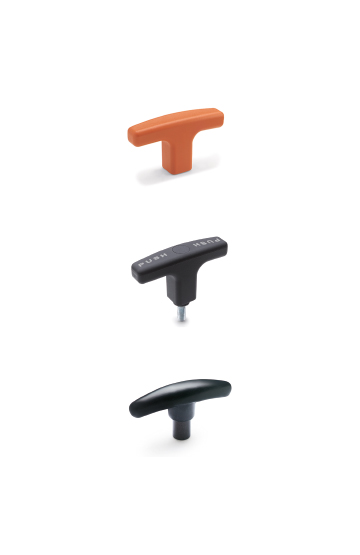
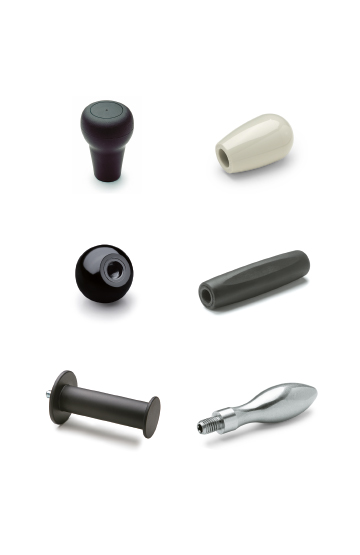
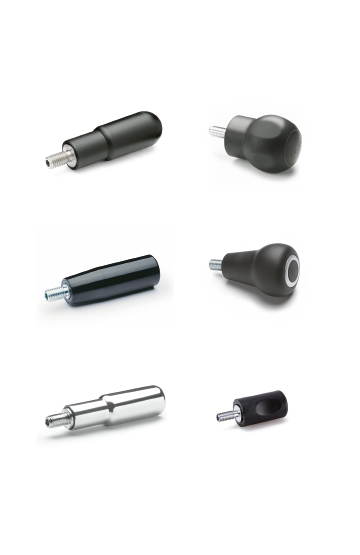
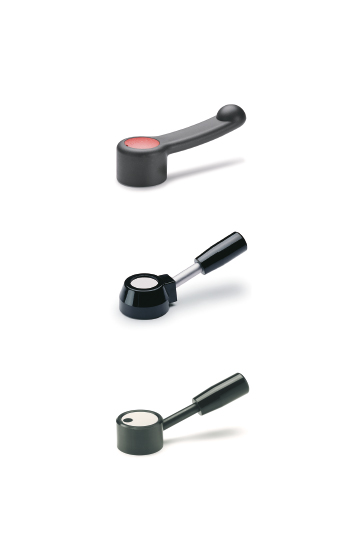
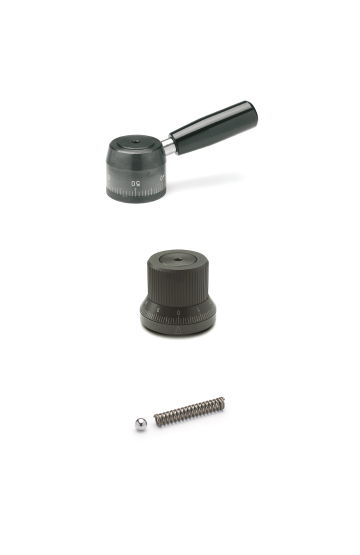
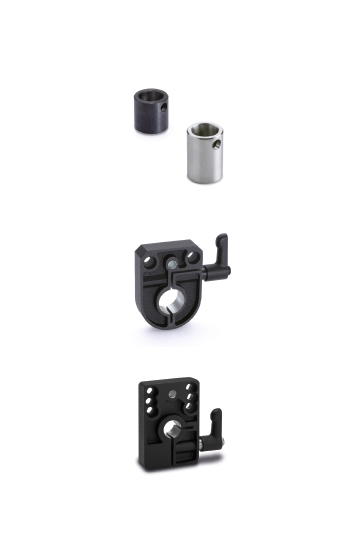
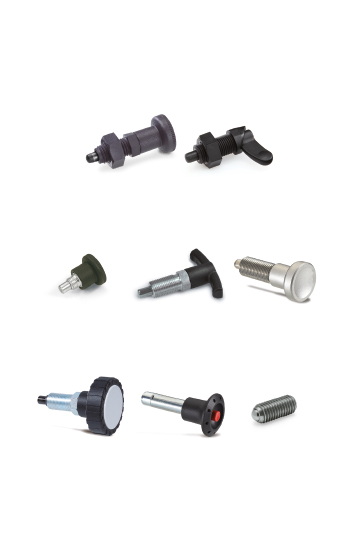
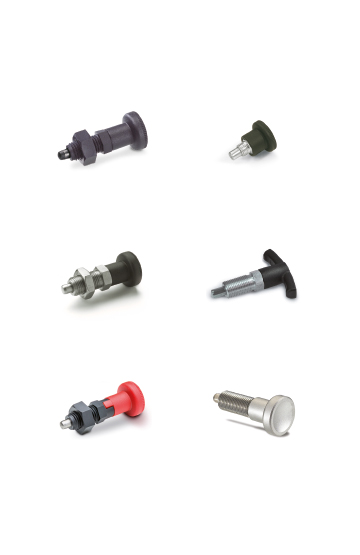
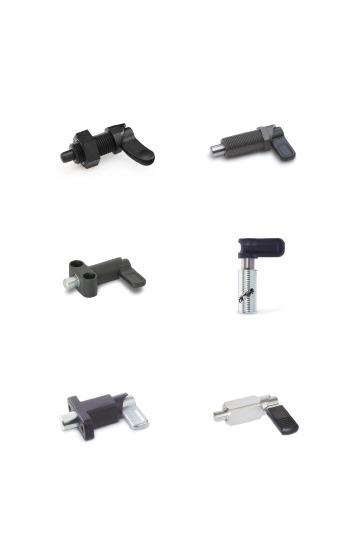
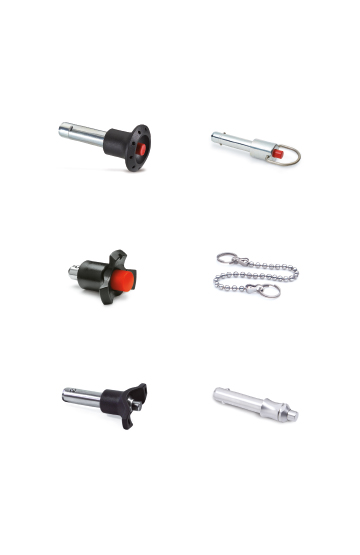
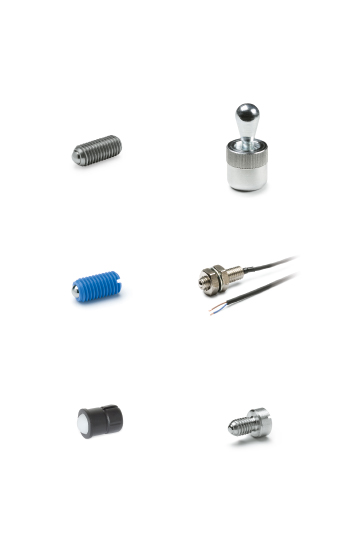
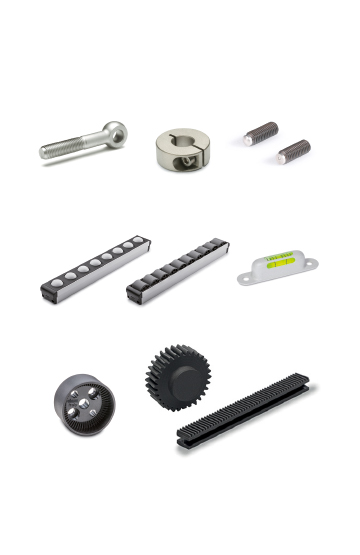
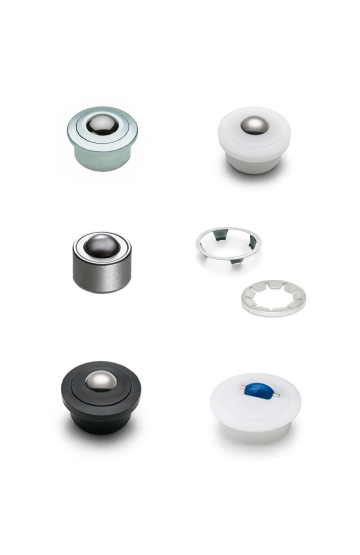
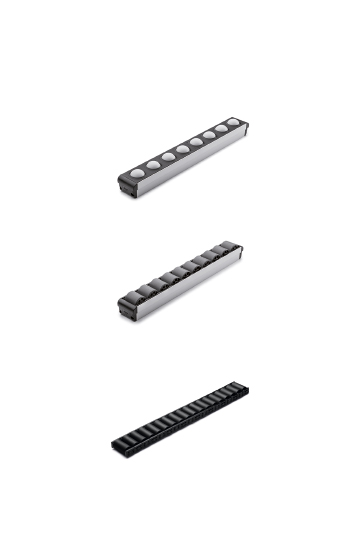
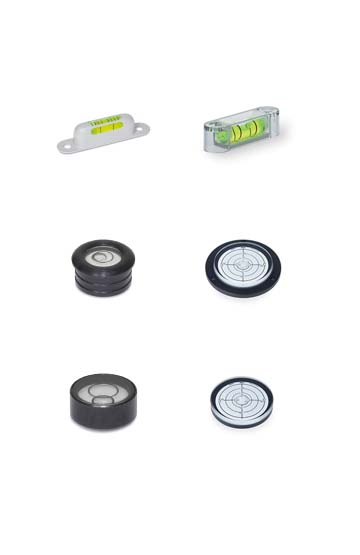
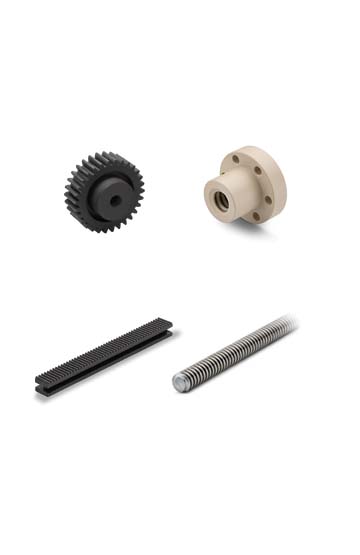
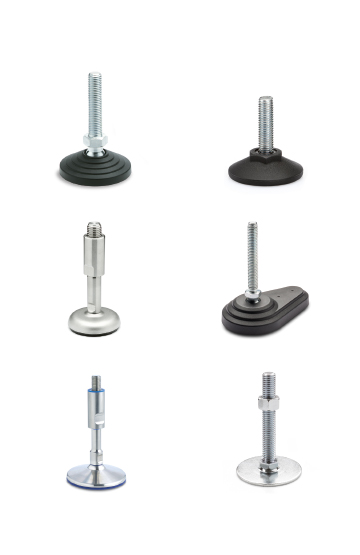
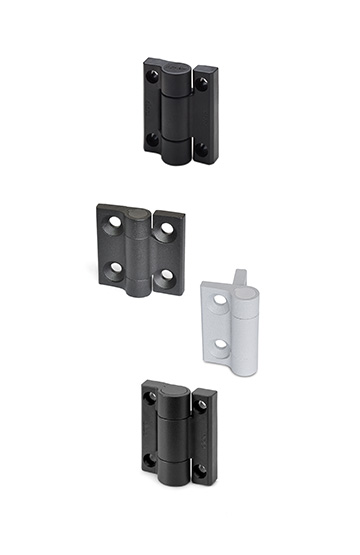
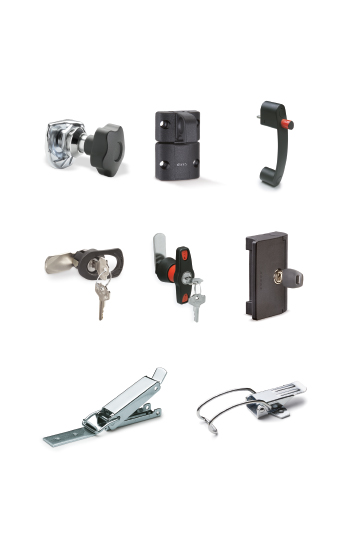
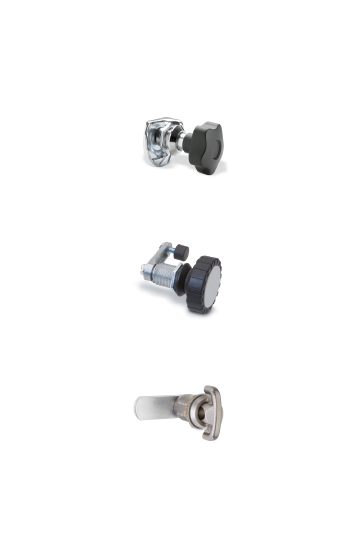
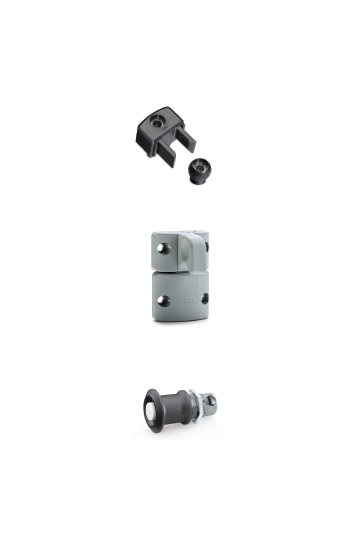
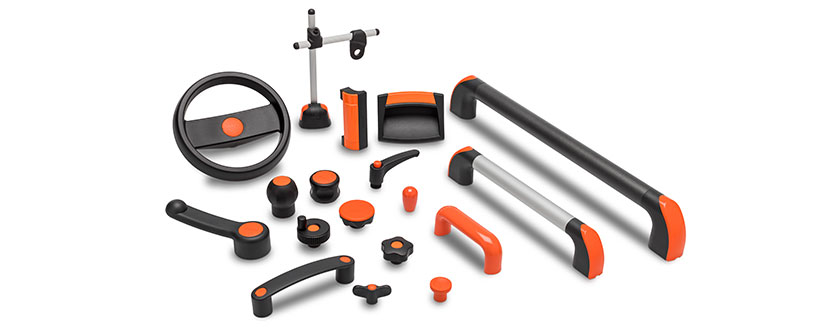
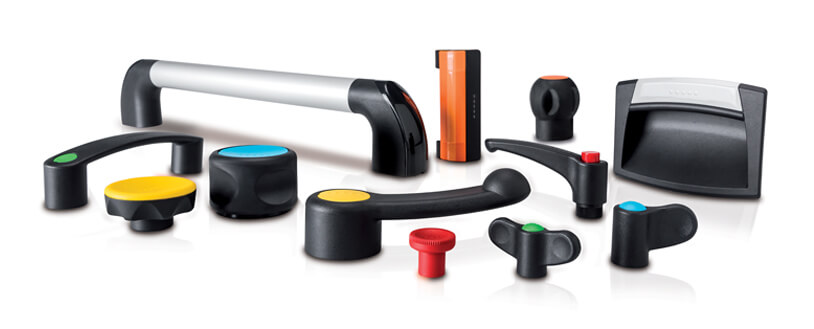
By pairing adjustable components—such as:
with position indicators, machines can be reconfigured quickly without sacrificing accuracy.
Operators no longer need to guess or recalibrate from scratch; they simply return the indicator to a known value. This approach:
- Reduces setup time
- Improves consistency
- Helps protect equipment from improper adjustments
Position Indicators and Operator Confidence
Beyond accuracy, position indicators play a key role in usability and training. Clear visual feedback empowers operators to make adjustments confidently, even on complex machinery.
For newer team members, indicators:
- Reduce reliance on tribal knowledge
- Make best practices easier to follow
In facilities facing skilled labour shortages—a growing concern in Canada—this usability advantage is especially valuable. Well-designed adjustment systems help bridge experience gaps while maintaining production standards.
Integrating Position Indicators into Modern Industrial Systems
Today’s position indicators are no longer standalone accessories. They are increasingly designed as integral parts of broader industrial adjustment systems, including:
- Compatibility with automation
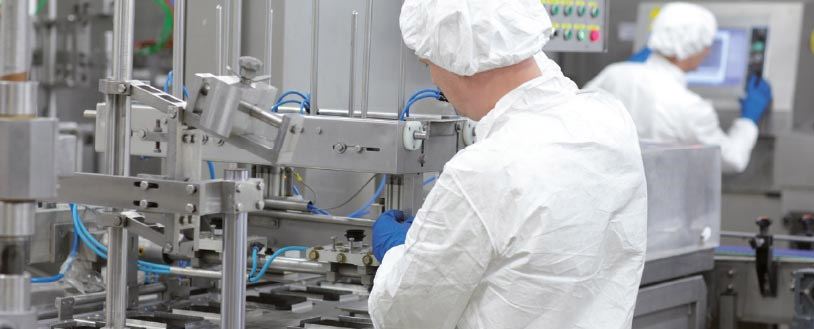
- Resistance to washdown environments
- Long-term durability in harsh industrial conditions
Manufacturers are also paying closer attention to ergonomics and safety. Position indicators combined with adjustable handles and controlled adjustment mechanisms help reduce:
- Excessive force
- Awkward movements
- The risk of incorrect settings
Looking Ahead: Precision as a Strategic Advantage
As Canadian manufacturing continues to modernize, machine accuracy will remain a defining factor in productivity and competitiveness.
Position indicators—once considered simple components—are now strategic tools that support:
- Precision
- Flexibility
- Operational efficiency
Whether mechanical or digital, these indicators enable manufacturers to move faster, adjust smarter, and maintain consistent results across increasingly complex production environments.
In an industry where margins are tight and expectations are high, investing in reliable position indicators and robust adjustment systems is no longer optional—it is foundational to long-term success.
Ready to Optimize Your Equipment?
Interested in improving machine accuracy or upgrading your industrial adjustment systems? Understanding how the right position indicator fits into your application is often the first step toward measurable performance gains.
Visit ELESA’s website to browse products and connect with our team to see how the right components can help optimize your equipment.
