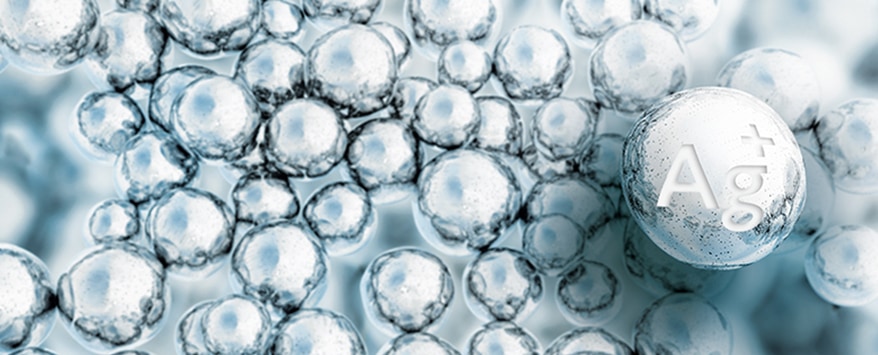

SELF-SANITISATION AGAINST BACTERIA AND FUNGI
Close

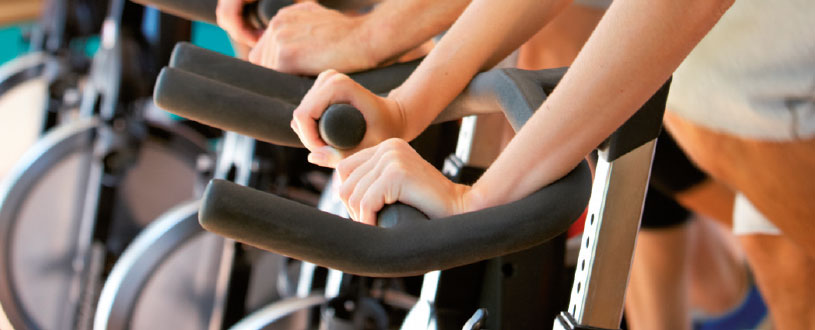
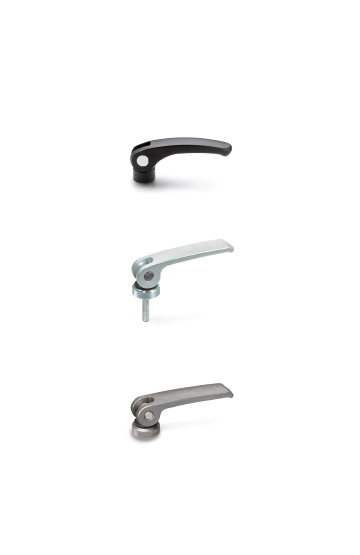
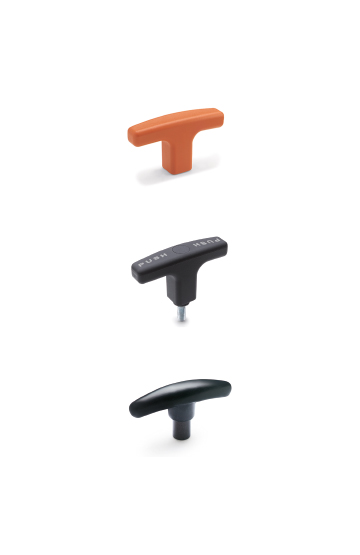
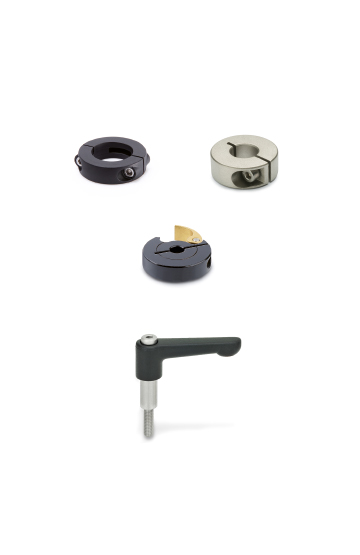
Components for manoeuvring, clamping and locking operations on equipment, including sports equipment and furniture in the nautical sector.
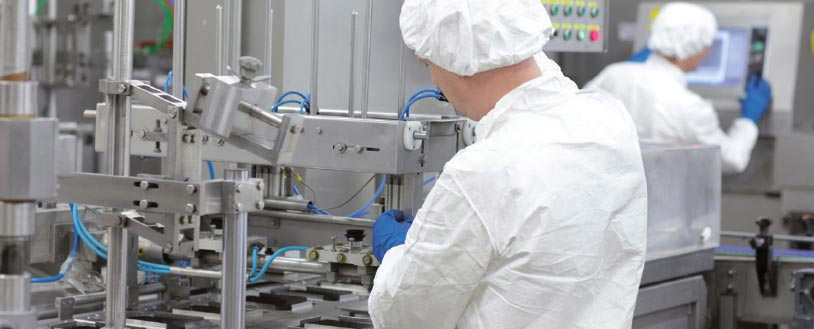
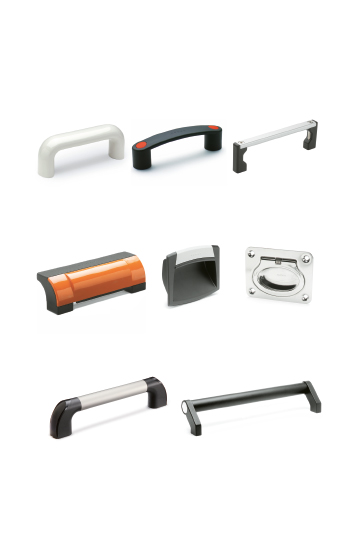
Corrosion resistance, ergonomics, compact shapes and great care in the choice of materials and finishes ease of cleaning
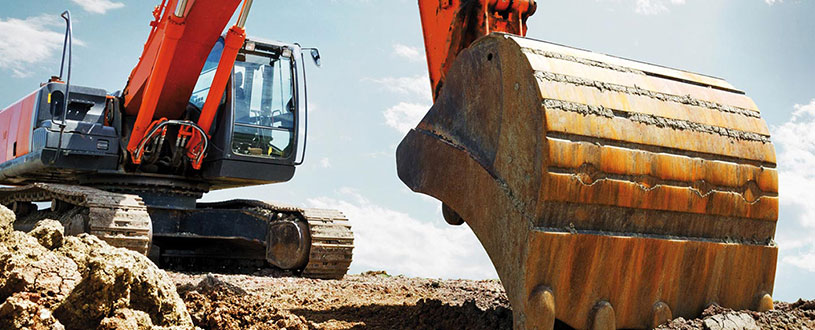
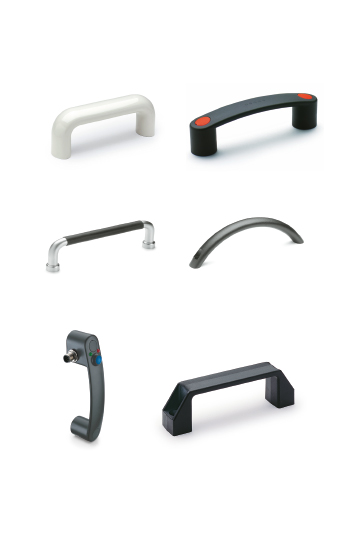
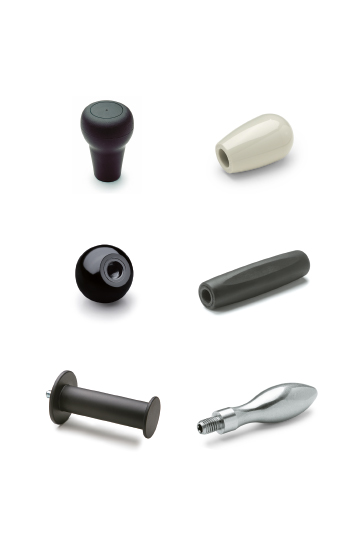
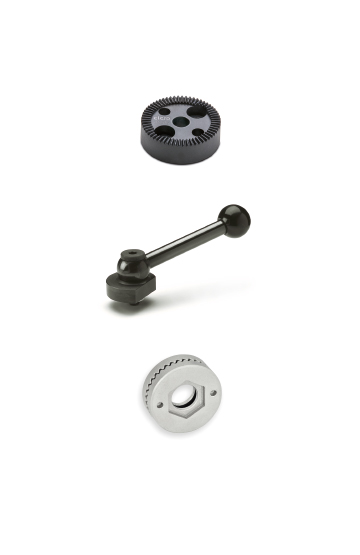
Components for construction vehicles, equipment and machinery which operate in particularly unfavourable conditions
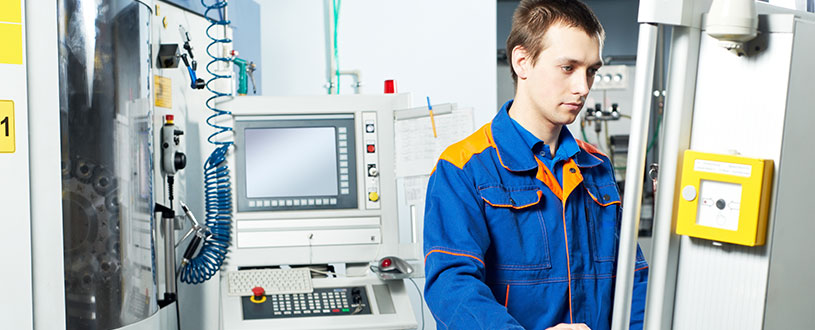
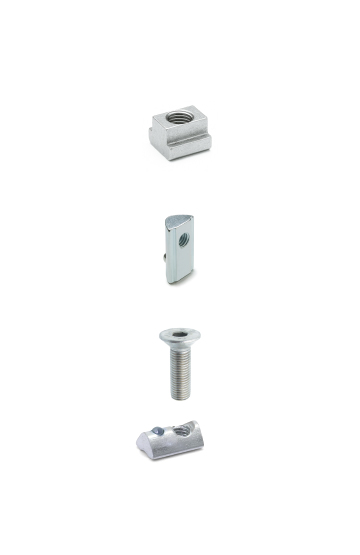
High quality standards, precision in tolerances and care in surface finishes are requirements that ensure greater precision in operation
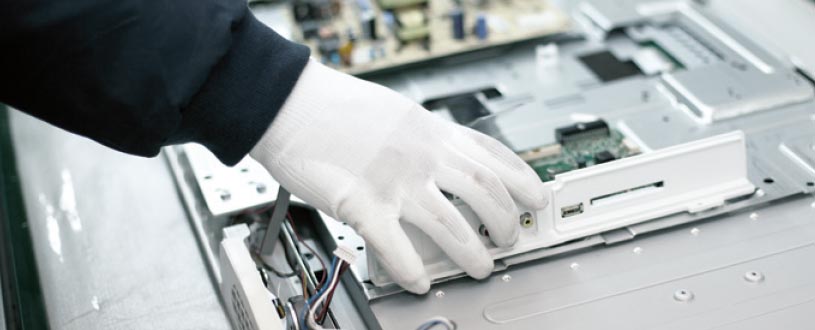
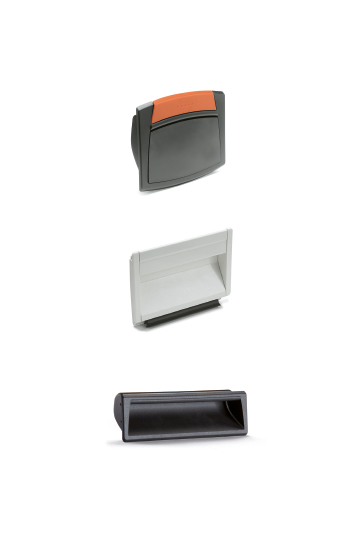
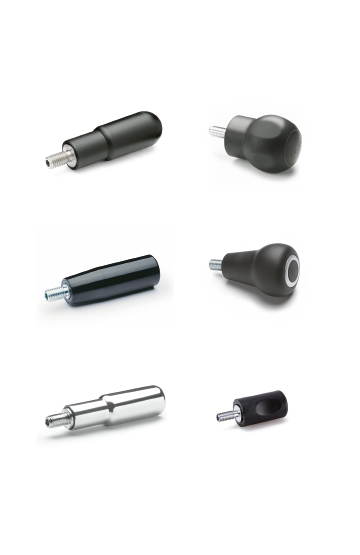
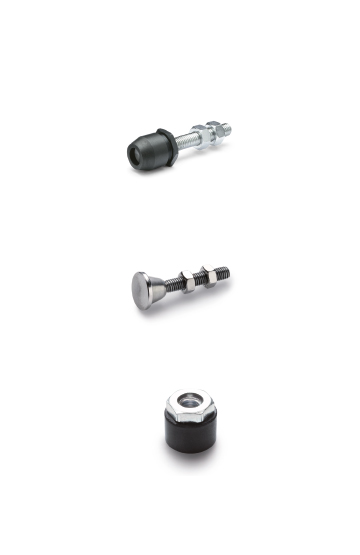
Clamping knobs, adjustable handles and self-locking pins for clamping operations in the field of photography, lighting and electronic equipment
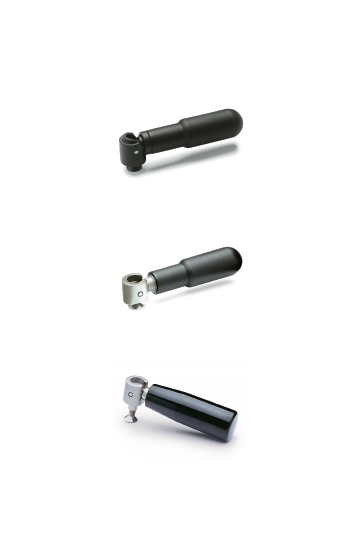
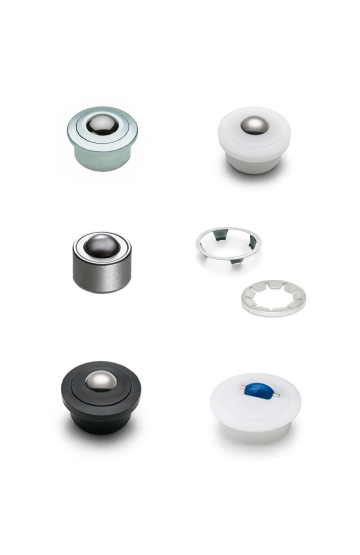
Components to perform clamping and locking operations on machinery or equipment. Ergonomics and design combined with colours

AISI 304 stainless steel.
Non-woven nylon with glass-fibre reinforced polyamide based (PA) technopolymer profile.
NBR synthetic rubber.
100°C.
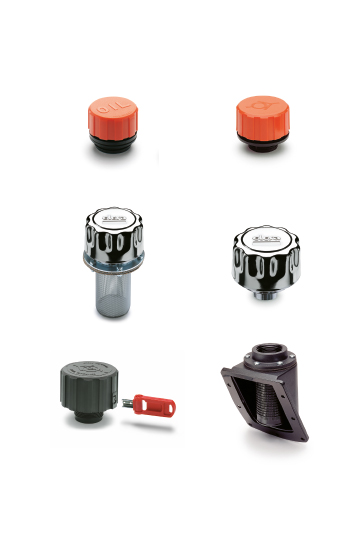
GN 7404 breathable membrane filters are used on machinery and equipment to guarantee the pressure balance between the internal and external environment. They prevent traces of dirt, oil or water vapour from entering inside and prevent also oil dripping into the surrounding area.
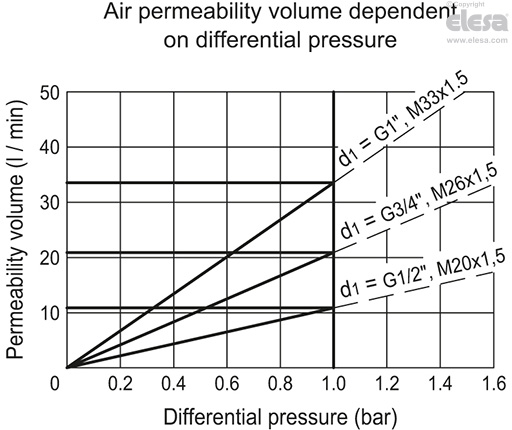
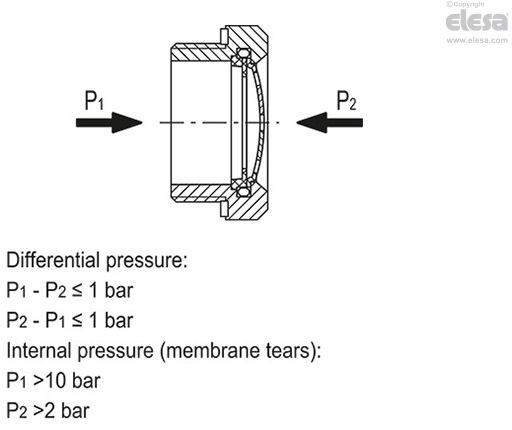
To prevent damage, the breathable membrane should not be completely drowned in oil or water and the correlation between the permeability volume of the air that can be achieved and the differential pressure should not exceed 1 bar.
For optimal operation, installation in a protected vertical position is recommended.
The breathable membranes use a non-woven nylon material as a substrate with a completely unordered structure. The minuscule pores of the membrane are created by fully saturating the fibers with an acrylic copolymer, which does not fill the gaps in the material.
During manufacturing the material and process parameters affect the pore size, which can be between 0.2 and 10 µm.
Porometry can be used to determine the quality of the membrane.
This is a rating procedure which assesses, among other things, the size distribution of the membrane pores and the air permeability.
For comparison: the minimum mesh width of a filter manufactured using economically viable methods is 50 µm.
Below is a cross section image of a membrane enlarged under the microscope 2000 times.
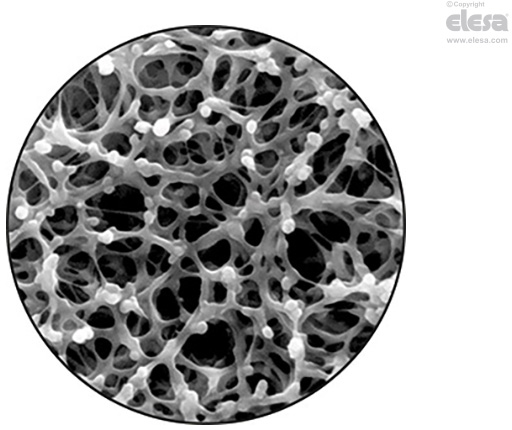
Thanks to the material types and structures, the breathable membranes are oil and water-repellent preventing the complete closure of the pores of their surface.
These properties are enhanced by assembling the membrane in an upright position.
If the membrane is drowned in exceptional circumstances, small quantities of oil or water can be expelled through it due to the pressure differential. When normal conditions are restored, the oil and water flow down and the membrane becomes fully functional again.
The maximum air permeability volume, the maximum differential pressure and a high value of internal pressure that must be discharged are all important conditions when using membranes.
There is a linear correlation between the air permeability volume which can be achieved and the differential pressure, which should not exceed 1 bar.
Thermal: the membrane profile has not be used with temperatures exceeding 100 °C.
The membrane can resist up to 150 °C.
Chemistry: membranes are resistant to a wide range of chemicals frequently used in mechanical and automotive engineering, such as oils, fuels, organic solvents and alcohol.
If in doubt, run a tolerability test.