

San - Antimicrobial
Close
Feb 6, 2026
Reading time: minutes
A company specializing in outdoor furniture contacted us to address a critical issue: generic stainless-steel feet used on their metal outdoor tables, placed in coastal environments, began showing signs of rust over time. This affected not only aesthetics but also the functionality and durability of the tables. Although stainless steel is known for its corrosion resistance, it proved inadequate for the challenges of particularly aggressive marine environments.
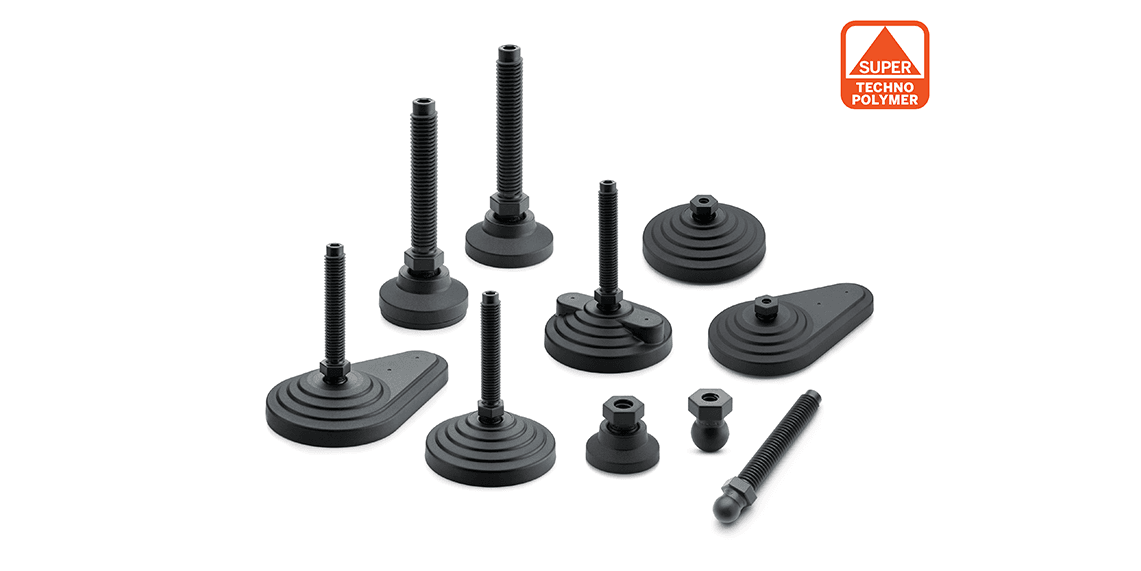
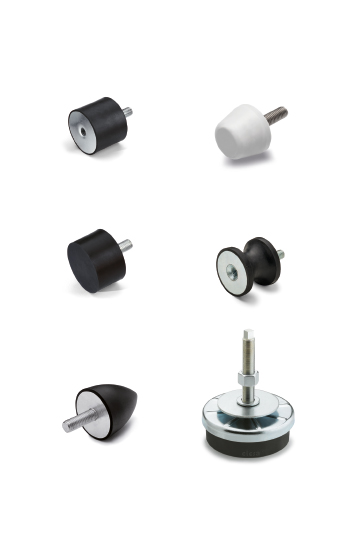
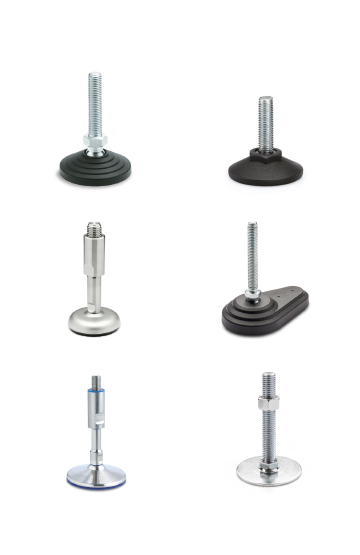
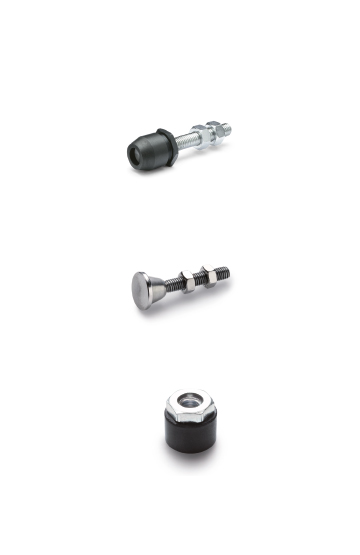
We recommended that the customer adopt an innovative levelling foot with adjustable threaded stem made of SUPER-Technopolymer. This advanced material, characterized by high mechanical strength, resistance to harsh environmental conditions, and lightweight, proved to be the ideal solution to ensure excellent performance of outdoor tables in marine environments. Beyond functionality, these SUPER-Technopolymer feet offer a modern design, appealing aesthetics, and an easy-to-clean surface, fully meeting the customer’s requirements.
The issue arises from the natural tendency of steel, even stainless-steel alloys, to deteriorate in extremely aggressive environments such as marine settings. Constant exposure to salt and humidity accelerates surface oxidation, affecting both aesthetics and structural integrity.
It is generally assumed that choosing stainless steel, in its different alloys containing specific transition metals, is the ideal solution when designing products that require performance, durability, and corrosion resistance. While sufficient for many applications, in environments heavily exposed to atmospheric agents—such as the nautical, marine, food, and pharmaceutical sectors—this is not enough.
To achieve truly lasting protection, other factors and design requirements must be considered, including the absence of sharp edges, wide radii to avoid cavities where moisture and salt could accumulate, sealing gaskets for fasteners to prevent infiltration of production residues, dust, or moisture that could damage material integrity, and a micrometric surface roughness.
While effective, these treatments make stainless steel components very costly—often exceeding the value of the equipment on which they are mounted, as in the case of outdoor tables.
ELESA offers a high-value technical and economical alternative: the SUPER-Technopolymer, a material combining high mechanical and corrosion resistance, lightweight, and significantly lower production costs compared to similar metal products, simplifying manufacturing processes and reducing overall energy consumption.
The SUPER-Technopolymer used is the same as in the automotive, aerospace, and electronics sectors, reinforced with glass or aramid fibers, offering: High mechanical strength: excellent tensile, compressive, and flexural resistance, comparable to many metals. Chemical and corrosion resistance: ideal for aggressive or outdoor environments. Thermal stability: capable of operating across a wide temperature range, withstanding thermal shocks while maintaining mechanical properties. Lightweight: lower density than metal counterparts, reducing overall system weight. Low friction and maintenance-free: smooth, non-porous surface reduces friction, improving efficiency and minimizing wear. No lubrication or corrosion protection required. Electrical insulation: suitable for electrically charged environments. Reduced environmental impact: lightweight and durable, with lower energy consumption during production and transformation, resulting in much lower CO₂ emissions compared to metal components. Significant economic advantages: lower production costs, simplified manufacturing, and reduced energy use, contributing to overall cost savings.
Replacing stainless steel feet with SUPER-Technopolymer feet delivered tangible benefits: Superior durability: elimination of corrosion issues and increased table lifespan. Cost savings: reduced maintenance and replacement costs. Operational efficiency: easier handling and installation thanks to reduced weight. Innovation and competitiveness: adoption of advanced materials strengthens the company’s image as innovative and future oriented.
The introduction of ELESA SUPER-Technopolymer feet solved the corrosion problem definitively, improving performance, reliability, and product aesthetics. This case clearly demonstrates that SUPER-Technopolymer is not only a valid alternative to metals, but it represents a true evolution in industrial components. Lightweight, strong, and high performing, they offer high added value across multiple sectors, from machinery to food processing.
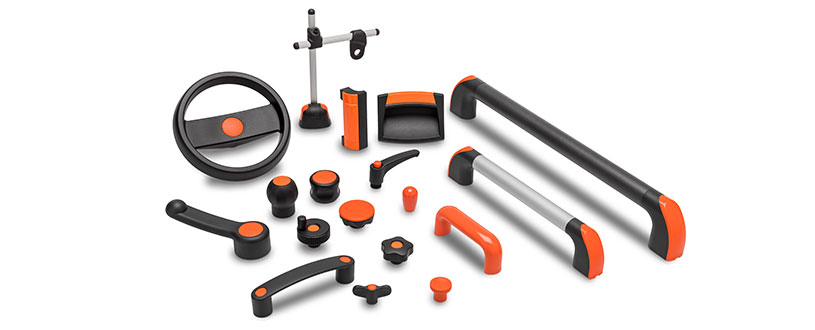
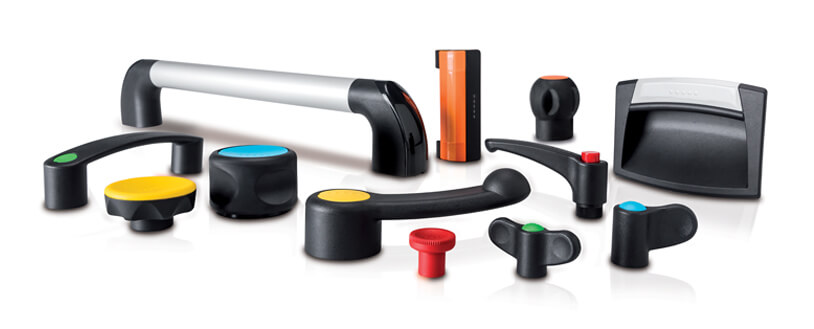
ELESA’s continuous technical innovation, combined with a catalogue of over 70,000 codes and increasingly specialized solutions (Visually Detectable, Metal Detectable, SAN-Antimicrobial, wireless electronic systems), confirms the company’s role as a strategic partner in addressing the challenges of a rapidly evolving global market, where quality and sustainability make the difference.