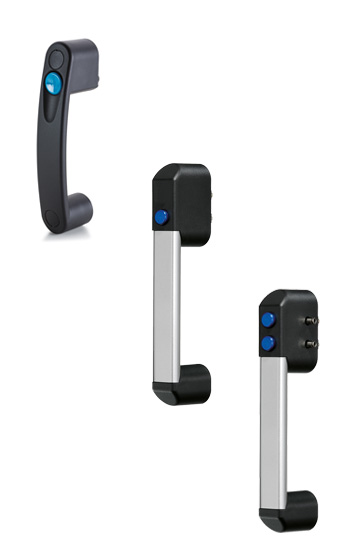
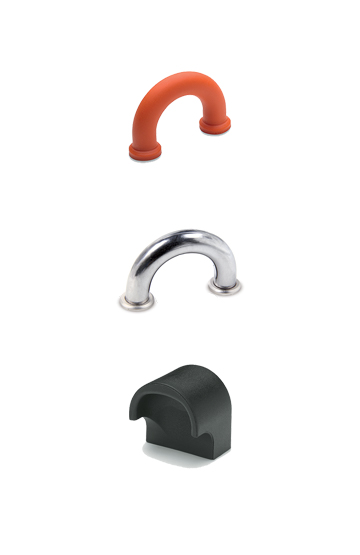
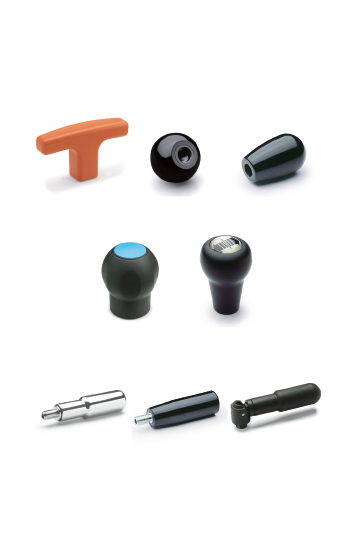
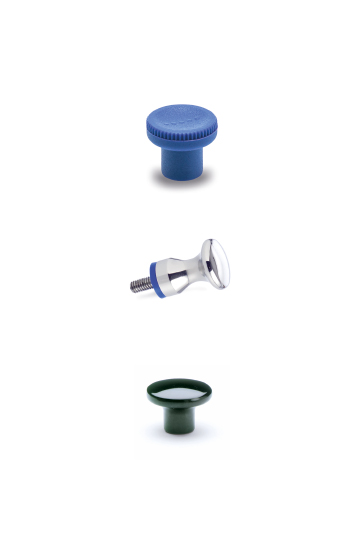

SELF-SANITISATION AGAINST BACTERIA AND FUNGI
Close

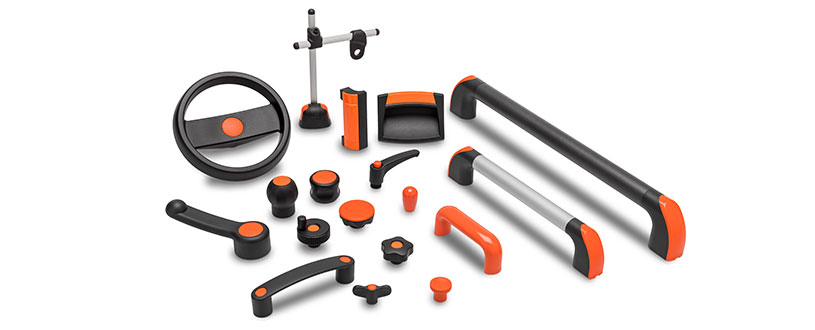
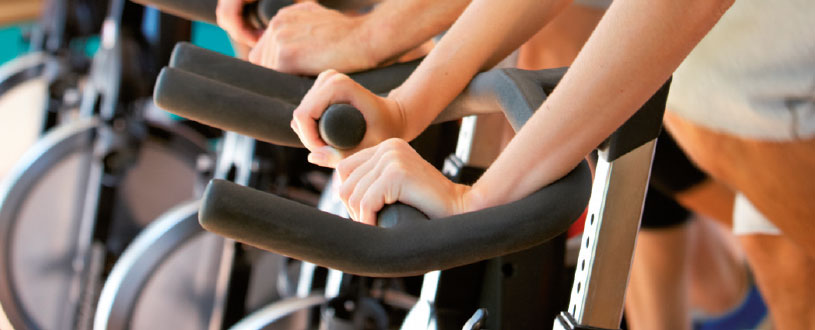
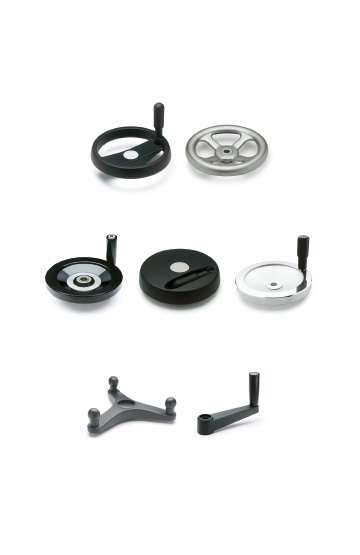
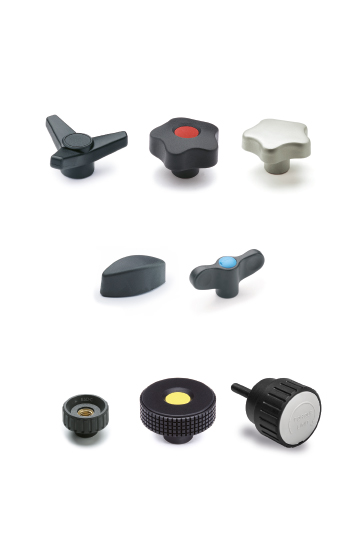
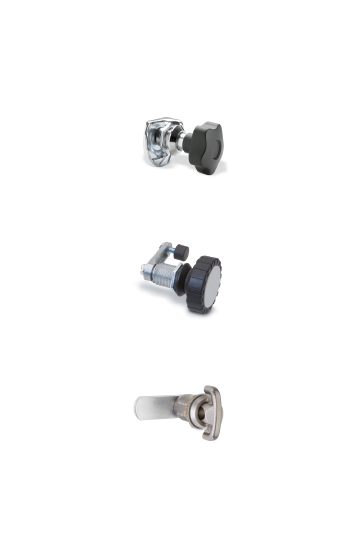
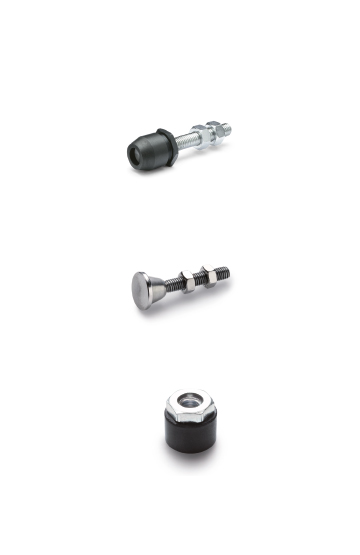
Components for manoeuvring, clamping and locking operations on equipment, including sports equipment and furniture in the nautical sector.
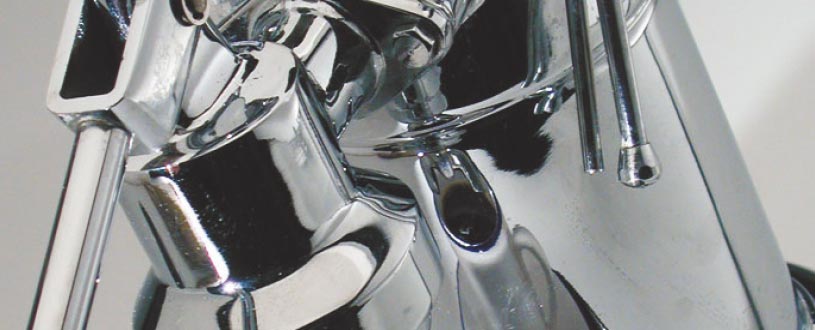
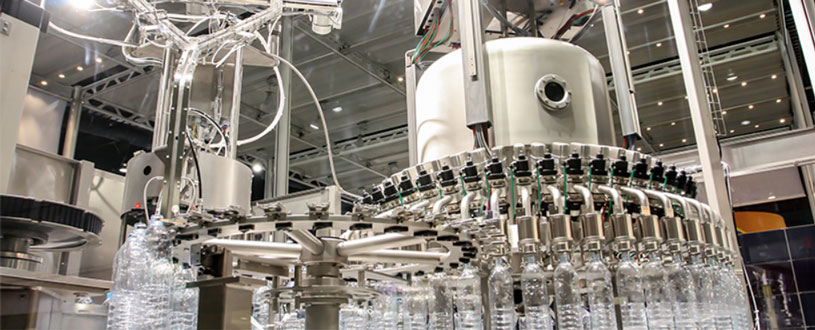
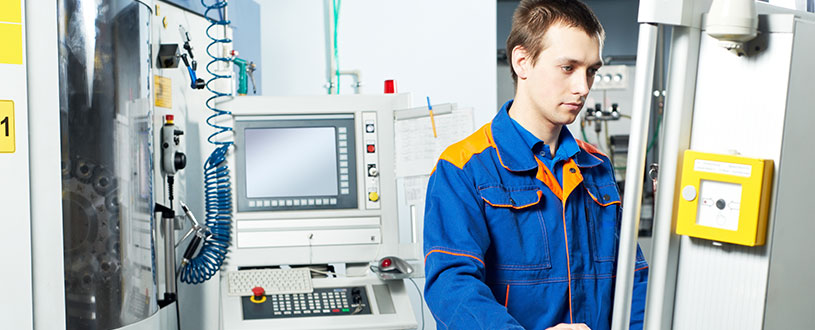
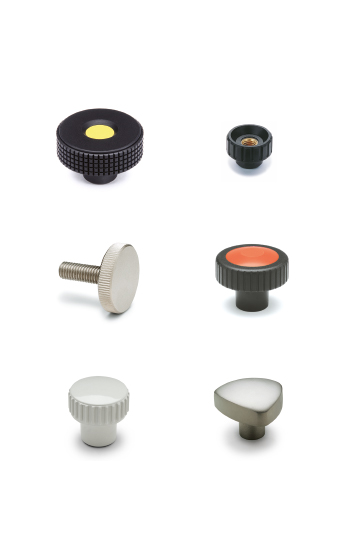
Corrosion resistance, ergonomics, compact shapes and great care in the choice of materials and finishes ease of cleaning
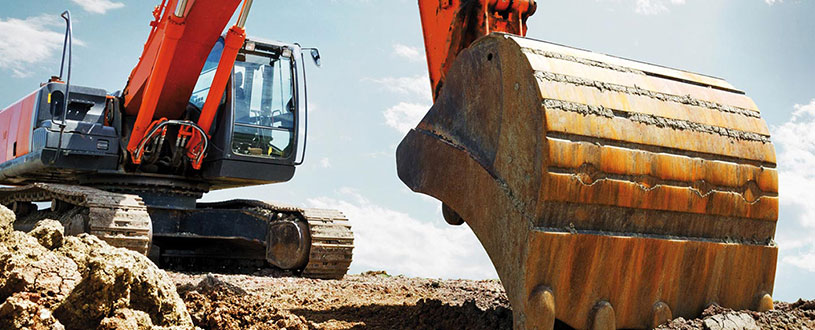
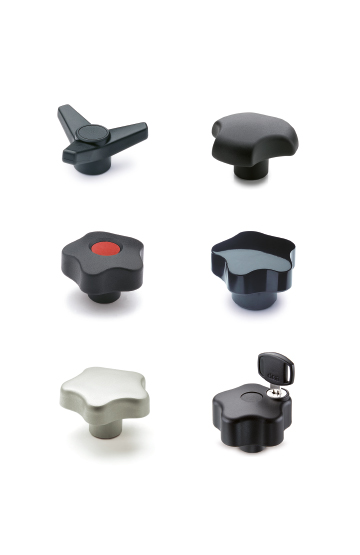
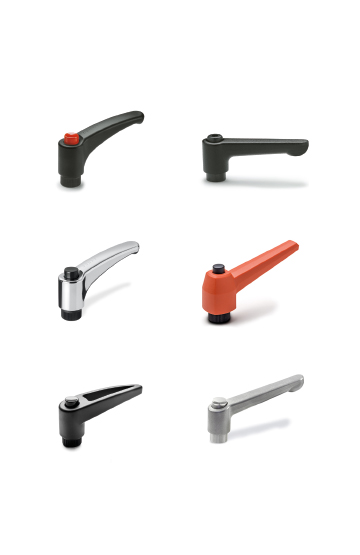
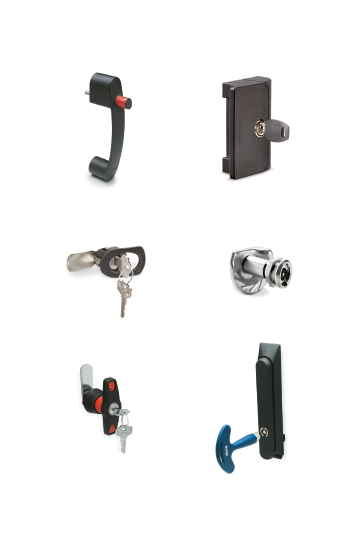
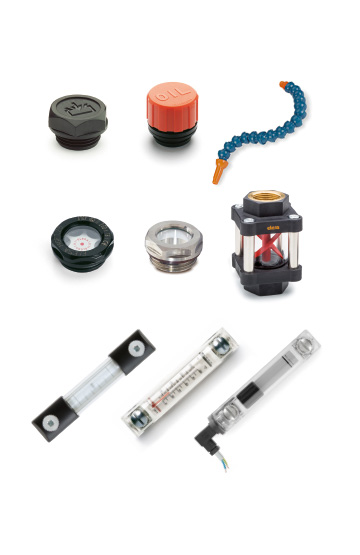
Components for construction vehicles, equipment and machinery which operate in particularly unfavourable conditions
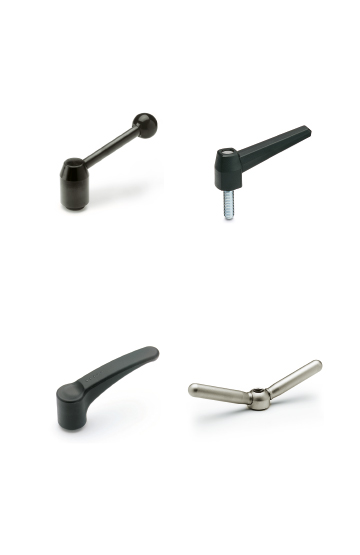
High quality standards, precision in tolerances and care in surface finishes are requirements that ensure greater precision in operation
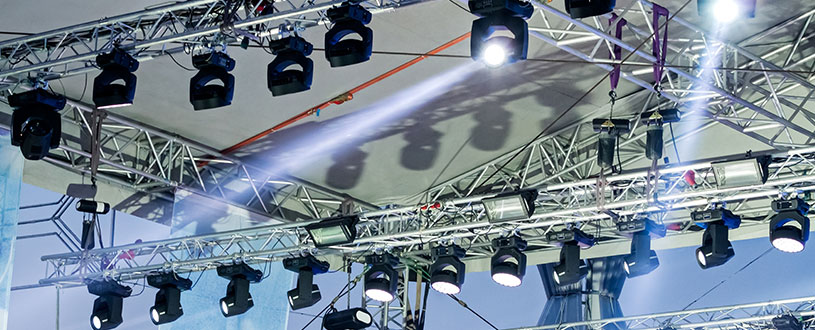
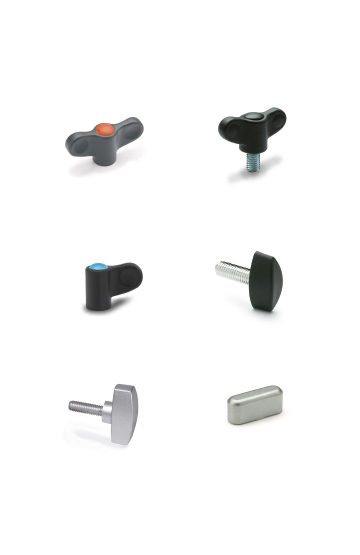
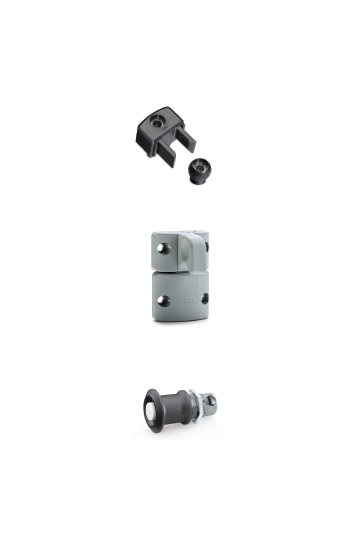
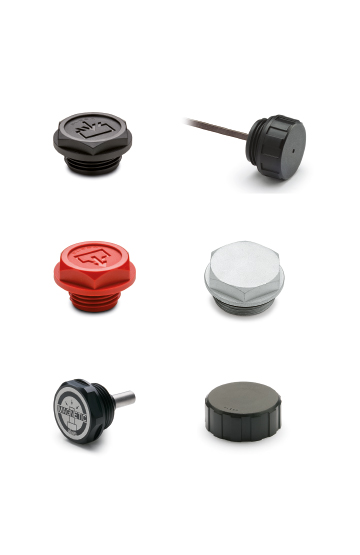
Clamping knobs, adjustable handles and self-locking pins for clamping operations in the field of photography, lighting and electronic equipment
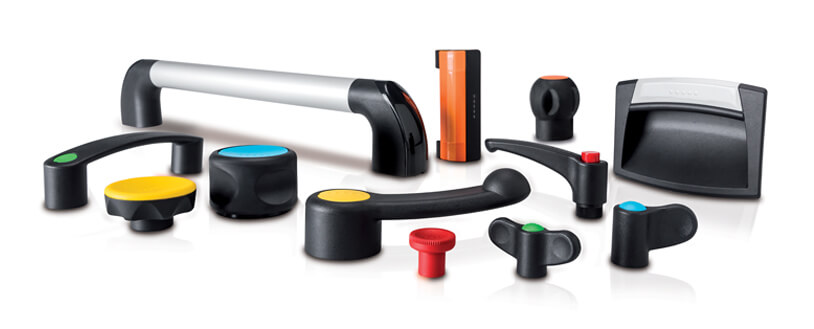
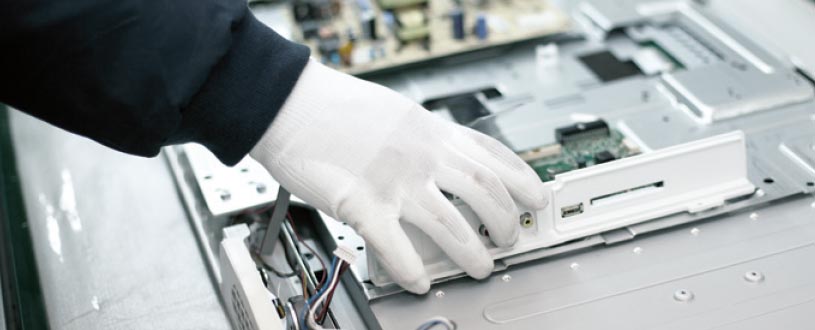
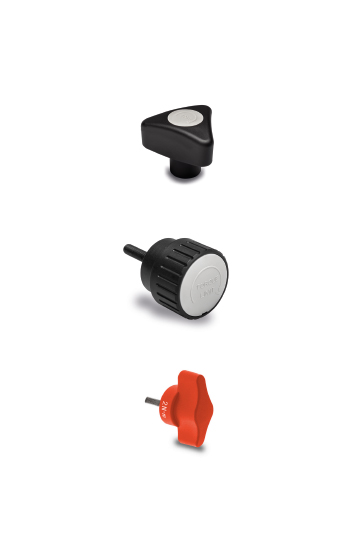
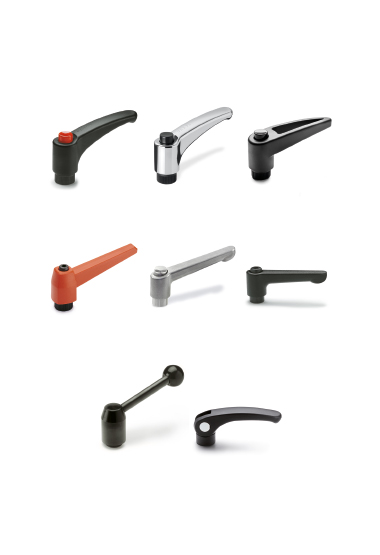
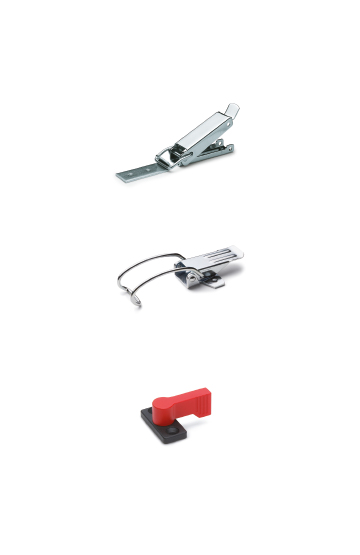
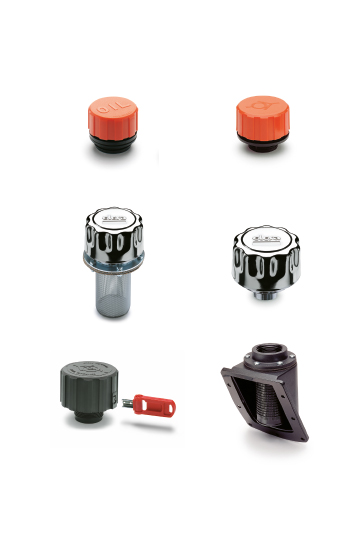
Components to perform clamping and locking operations on machinery or equipment. Ergonomics and design combined with colours

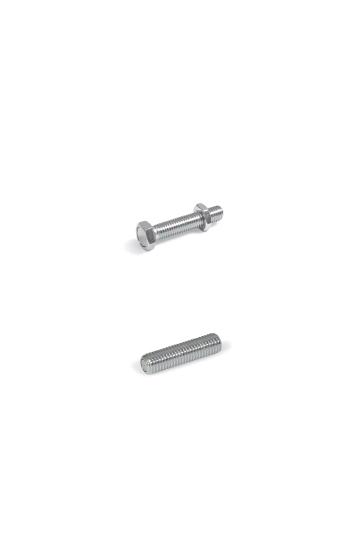
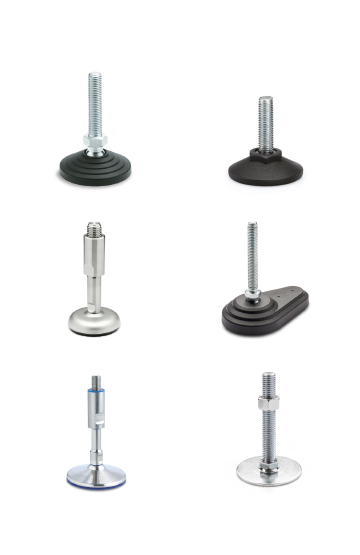
Versions of threaded studs:
Base plate
Stainless steel AISI 316L
Threaded stem
Stainless steel AISI 316L
Hex nut ISO 4032
AISI 316 stainless steel
Rubber pad
Acrylonitrile butadiene rubber (NBR)
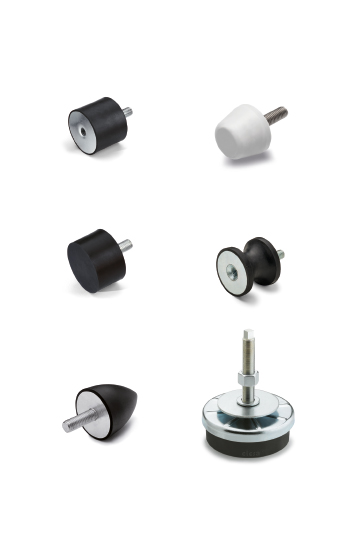
Levelling feet GN 18 are particularly suitable for use in aggressive environments.
The inclined surfaces for liquid runoff and the high surface quality of the base plate simplify cleaning and prevent the accumulation of dust or dirt. The FDA compliant and vulcanized rubber underlay seals the base against the resting surface and allows the feet to be used in food-processing areas or the pharmaceutical industry, for example.
The levelling feet are supplied assembled and cannot be disassembled.
Rubber pad available in various colours
The static load values indicated in the table refer to laboratory tests with application of the load perpendicular to the base (without rubber disc).
For the values shown in the table, the removal of the load can cause slight deformations of the base plate. Under common working conditions, side or angular loading increases the stress on the levelling element and reduces its carrying capacity.
The details given on strength are non binding guide values without any liability.
It's the user's responsibility to determine, case by case, whether the product is suitable for the intended use.
Environmental factors may influence the declared values.