

San - Antimicrobial
Close
Feb 10, 2026
Reading time: minutes
Industrial latches are a small but essential component in countless mechanical and industrial systems. From electrical enclosures and machine guards to access panels and transport equipment, latches provide secure closure while allowing controlled access for maintenance, inspection, and operation. Choosing the right latch has a direct impact on safety, reliability, and long-term equipment performance.
Although latches are often specified late in the design process, their function is critical. A poorly chosen latch can lead to vibration-related failures, accidental opening, difficult access, or premature wear. Understanding how different industrial latches work and where each type performs best makes it easier to select a solution that meets both mechanical and operational requirements.
Understanding the role of an industrial latch
At its core, an industrial latch is a mechanical device designed to hold two components together in a closed position, usually without the need for tools. Unlike permanent fasteners, latches allow repeated opening and closing while maintaining a consistent holding force. This makes them ideal for applications that require regular access while maintaining security and stability.
Industrial latches are typically designed to withstand vibration, repeated use, and exposure to the environment. Depending on the application, they may also need to provide sealing pressure, prevent accidental release, or comply with safety and hygiene standards.
Common types of industrial latches
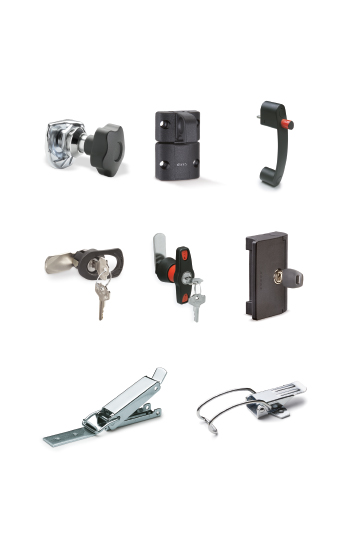
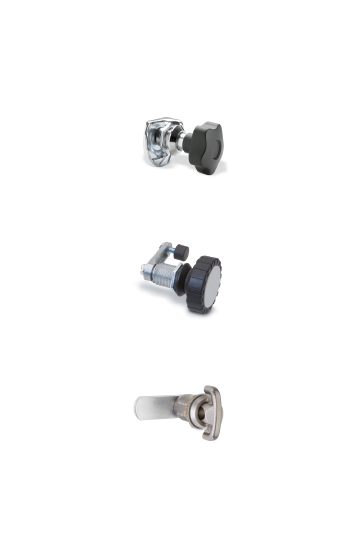
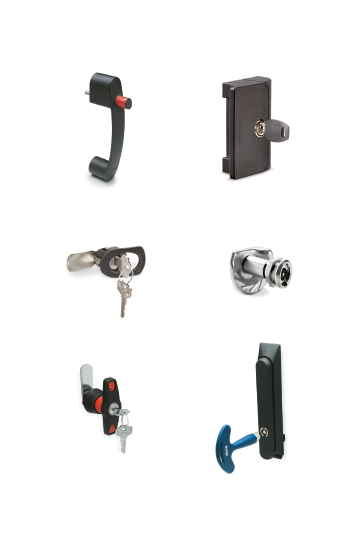
Industrial latches are available in a wide variety of designs, each suited to different functional requirements. Compression latches are often used where sealing is important, such as on electrical enclosures or outdoor cabinets. Their mechanism pulls the door or panel tight against a seal as the latch is engaged, helping to protect internal components from dust, moisture, and contaminants.
Quarter-turn latches are widely used for light-duty access panels where fast operation is more important than high holding force. A simple 90-degree rotation opens or closes the latch, making them popular for inspection points and service access areas. Their compact size and ease of use make them a practical choice where space is limited.
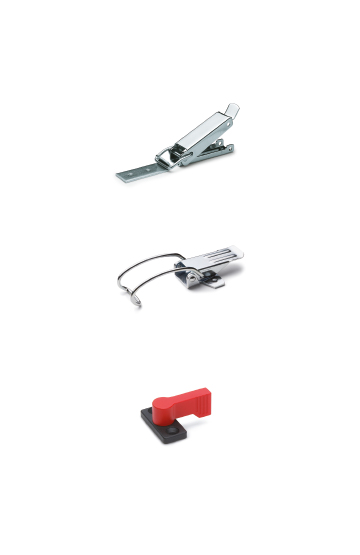
Draw latches provide a more visible and mechanical method of closure, using a lever action to pull two surfaces together. They are commonly found on cases, covers and general industrial equipment where a moderate clamping force is sufficient and quick access is required.
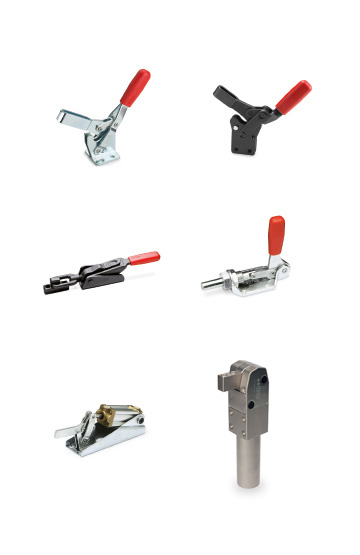
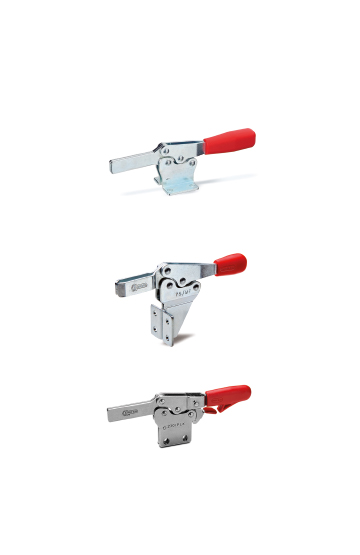
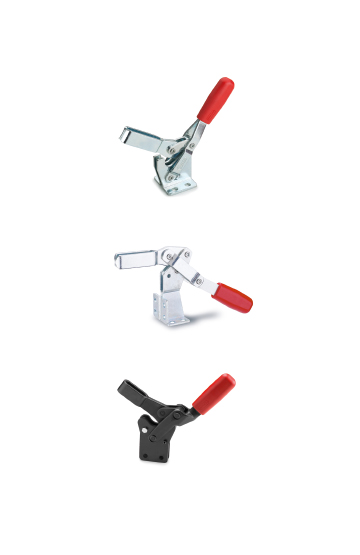
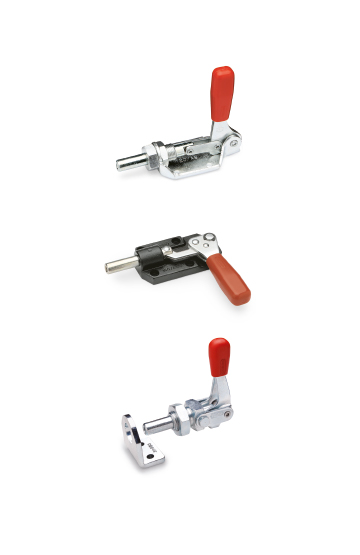
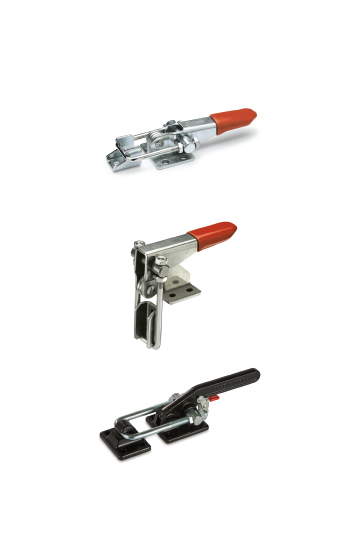
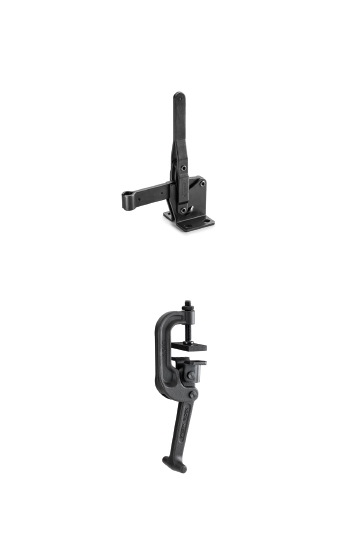
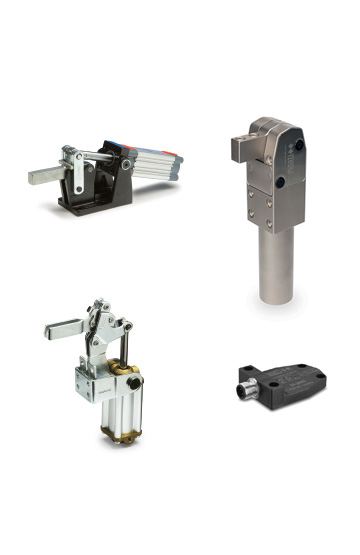
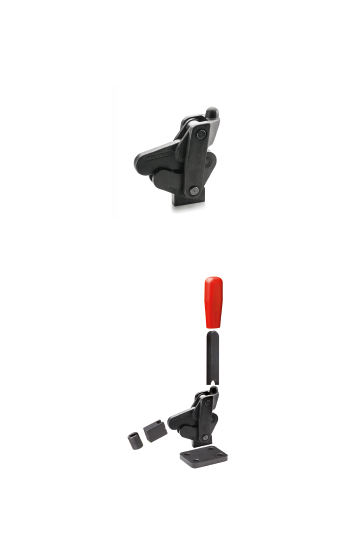
Toggle latches occupy a more specialised position within the broader latch category. Their over-centre mechanism provides high clamping force and excellent resistance to vibration, making them particularly suitable for demanding industrial environments. While they are technically one type of industrial latch, their performance characteristics often justify treating them as a category.
Material selection and durability
The material of an industrial latch plays a major role in its performance and service life. Steel latches are widely used across general industrial applications due to their strength and cost-effectiveness. Zinc-plated steel offers a balance between durability and corrosion resistance, making it suitable for indoor environments and light external exposure.
Stainless steel latches are typically chosen where corrosion resistance is critical or where hygiene standards must be maintained. In food processing, pharmaceutical manufacturing and outdoor installations, stainless steel provides long-term reliability and resistance to aggressive cleaning processes or environmental exposure. While stainless steel latches may carry a higher initial cost, they often reduce maintenance and replacement requirements over time.
Factors that influence latch selection
Selecting the right industrial latch involves more than simply matching size and appearance. One of the most important considerations is the holding force required. This includes not only the static load but also any dynamic forces caused by vibration, movement, or repeated operation. Inadequate holding force can lead to loosening, noise, or failure during use.
Access frequency also plays a role. Panels that are opened multiple times per day benefit from latches that are easy to operate, ergonomic and consistent in their closing action. In contrast, access points that are rarely opened may prioritise security or locking features over speed.
Environmental conditions should never be overlooked. Exposure to moisture, chemicals, temperature extremes or washdown procedures will influence both material choice and latch design. In safety-critical applications, additional features such as secondary locking mechanisms or tamper resistance may also be required.
Industrial applications and use cases
Industrial latches are used across almost every manufacturing sector. Electrical and control enclosures rely on latches to protect sensitive components while allowing authorised access. Machinery and equipment guards depend on reliable latching to ensure operator safety without hindering maintenance. In transport and mobile equipment, latches must withstand constant vibration and movement without loosening.
In hygienic industries, such as food and pharmaceutical production, latches must meet strict cleanliness standards while remaining easy to clean and resistant to corrosion. In each case, the correct latch selection supports both regulatory compliance and operational efficiency.
When a toggle latch is the right choice
While many latch types can secure a panel or door, toggle latches are often chosen when higher performance is required. Their ability to deliver strong, repeatable clamping force and resist vibration makes them particularly effective in demanding industrial environments. For applications involving frequent access, dynamic loads or safety considerations, a toggle latch can provide a reliable and long-lasting solution.