
SELF-SANITISATION AGAINST BACTERIA AND FUNGI
Close

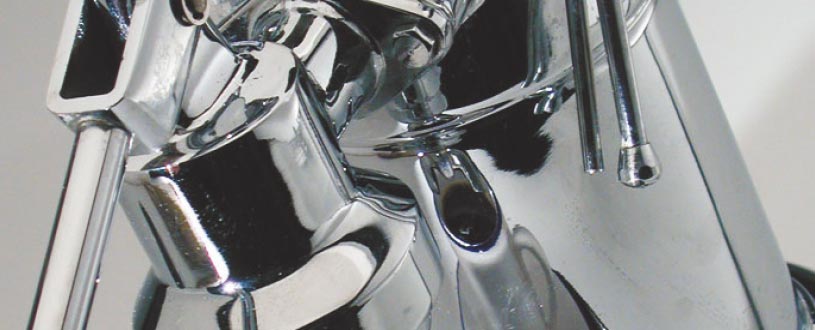
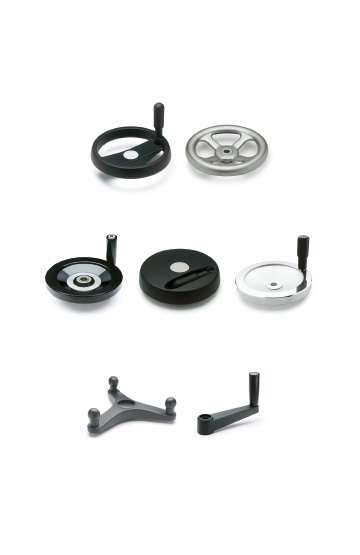
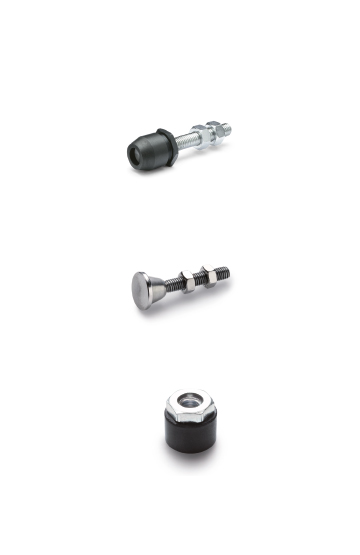
Components for manoeuvring, clamping and locking operations on equipment, including sports equipment and furniture in the nautical sector.
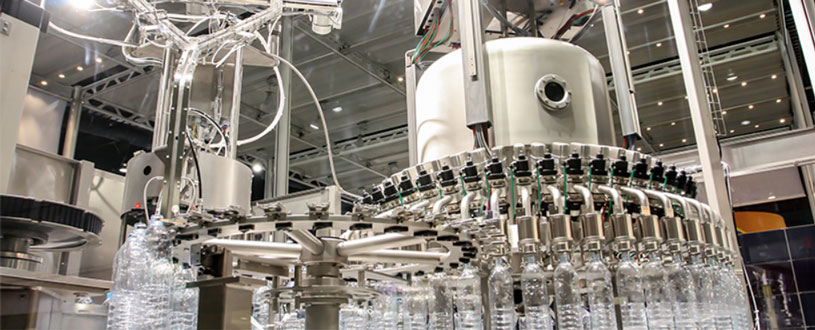
Corrosion resistance, ergonomics, compact shapes and great care in the choice of materials and finishes ease of cleaning
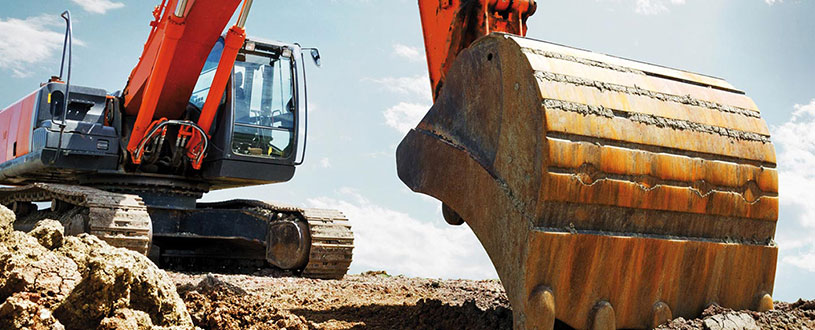
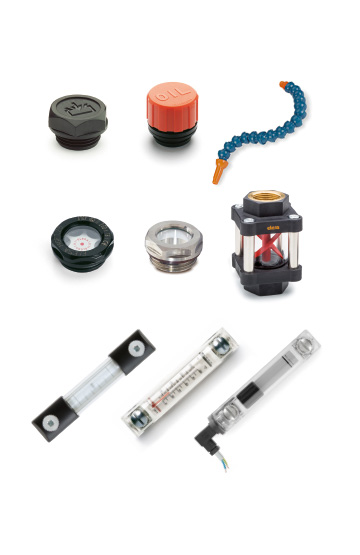
Components for construction vehicles, equipment and machinery which operate in particularly unfavourable conditions
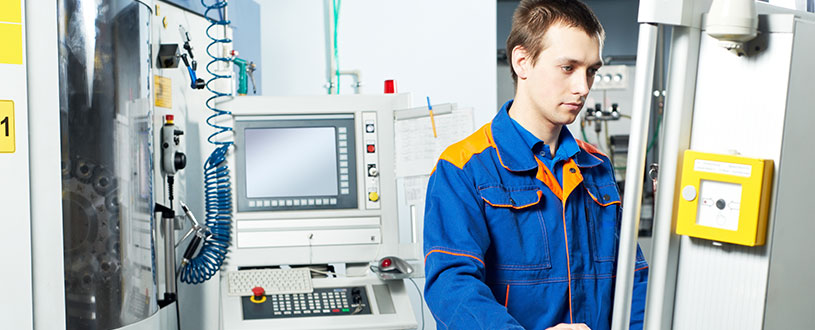
High quality standards, precision in tolerances and care in surface finishes are requirements that ensure greater precision in operation
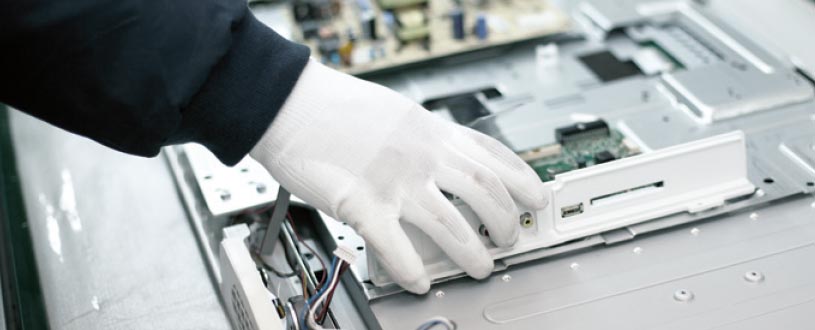
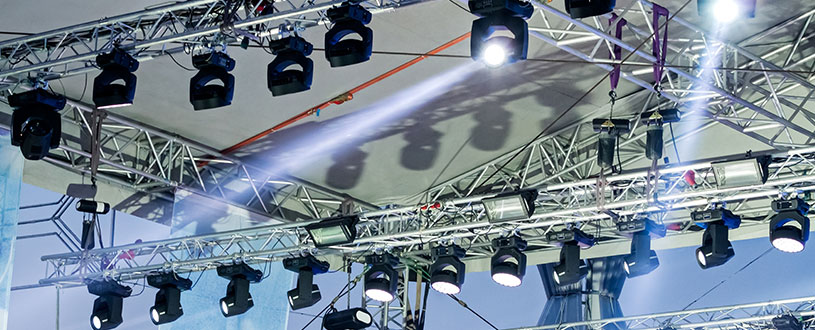
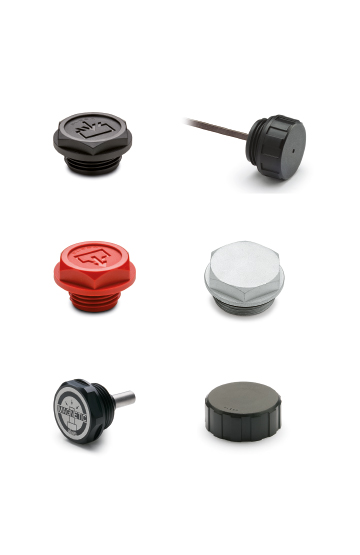
Clamping knobs, adjustable handles and self-locking pins for clamping operations in the field of photography, lighting and electronic equipment
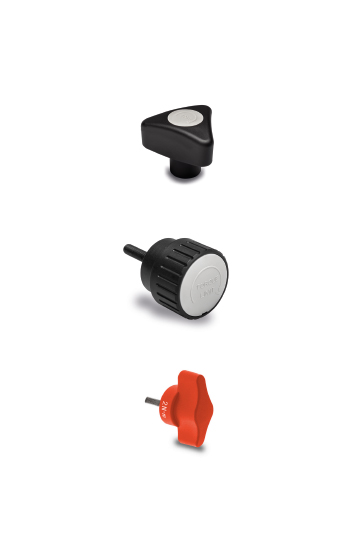
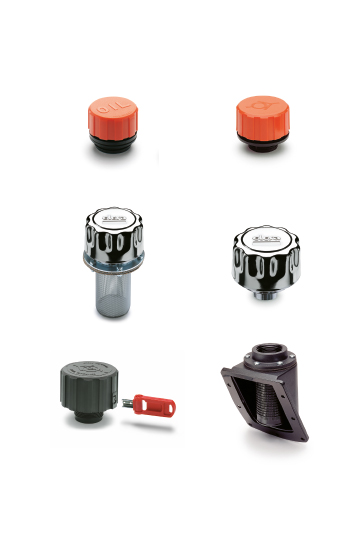
Components to perform clamping and locking operations on machinery or equipment. Ergonomics and design combined with colours

Stainless steel
AISI 316
Plunger pin case hardened
Spring
AISI 316Ti stainless Steel
Seals, blue, FDA compliant temperature resistant -25 °C to +110 °C
Sealing ring
H-NBR H
Hardness 85±5 Shore A
Wiper
TPU
Hardness 95±5 Shore A
All moving parts lubricated with FDA-compliant special grease
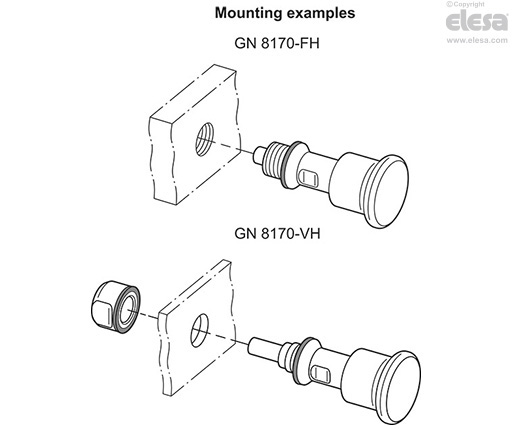
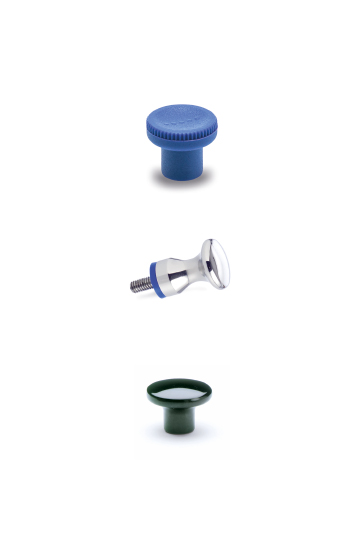
Both the FH and VH identifiers of the indexing plungers with rest position are used in applications in which the tip must remain in a retracted position. In that case, the knob is retracted and afterwards turned by 90°. A notch keeps the plunger in this position. GN 8170 indexing plungers are certified according to DGUV Test.
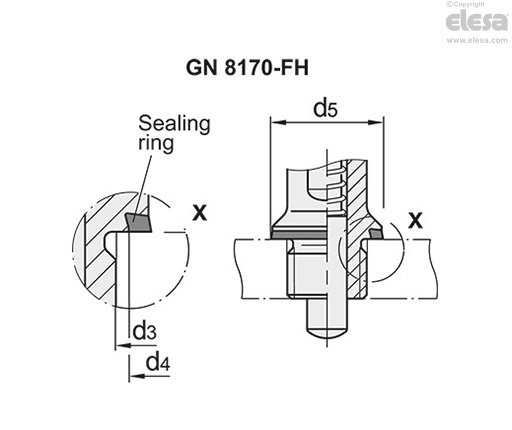
Identification FH: knob side Hygienic Design (front hygiene): stainless Steel-Indexing plungers GN 8170 are intended for use in hygienic areas and meet hygiene requirements on the knob side (front hygiene).
Wipers between knob and guide and between guide and pin as well as sealing rings on the guide and sealing nut keep the locking mechanism leak-tight. The finish quality of stainless steel parts prevents dirt adhering and facilitates cleaning. Mounting holes and through-holes in the housing must be at a right angle, free of burrs and without a chamfer. This ensures that the sealing rings will function properly.
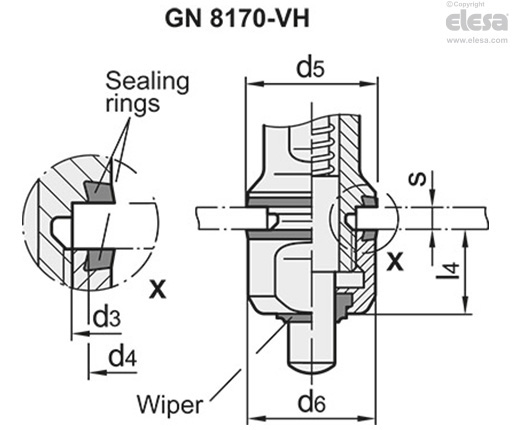
Identification VH: knob an pin side Hygienic Design (full hygiene): stainless Steel-Indexing plungers GN 8170 are intended for use in hygienic areas, and with their additional sealing nuts, they meet hygiene requirements on the knob and pin sides (complete hygiene).
Wipers between knob and guide and between guide and pin as well as sealing rings on the guide and sealing nut keep the locking mechanism leak-tight. The finish quality of stainless steel parts prevents dirt adhering and facilitates cleaning. Through-holes in the housing must be at a right angle, free of burrs and without a chamfer. This ensures that the sealing rings will function properly.
See technical data Hygienic Design.