
Close























































Engineering for Extremes: How Advanced Component Design Meets the Realities of Canadian Climate Stre...
Feb 2, 2026
Reading time: minutes
For manufacturers operating in Canada, climate is not a background consideration-it is a design constraint. Equipment must perform reliably in sub-zero winter temperatures, withstand repeated freeze-thaw cycles, and continue operating accurately in humid, washdown, or outdoor environments. When machinery fails in these conditions, the root cause is often not the primary system, but the supporting components that were not designed for environmental stress.
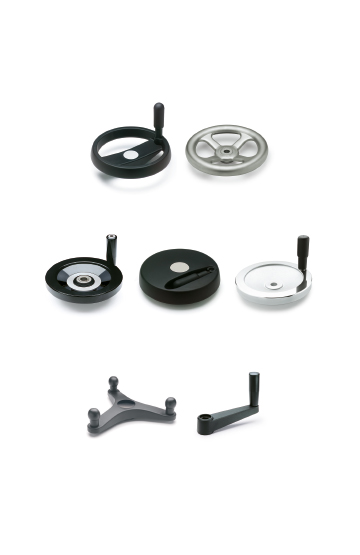
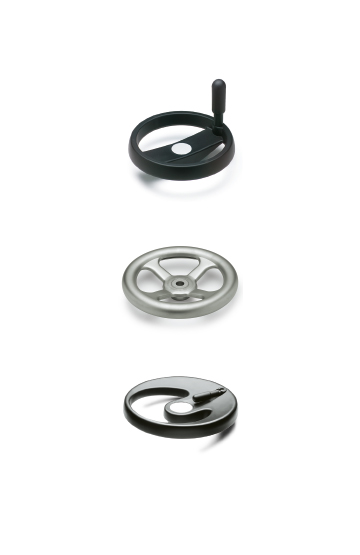
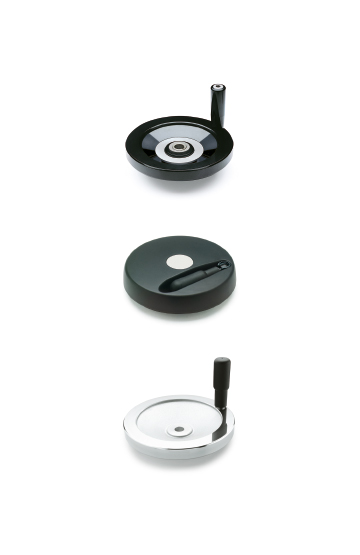
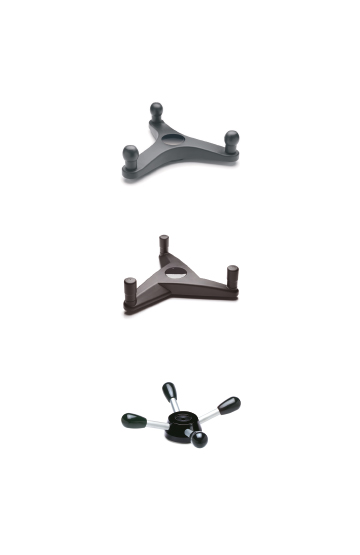
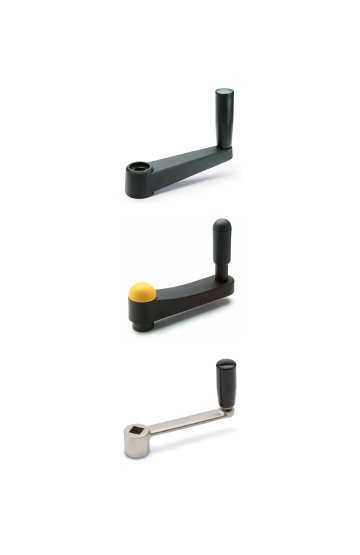
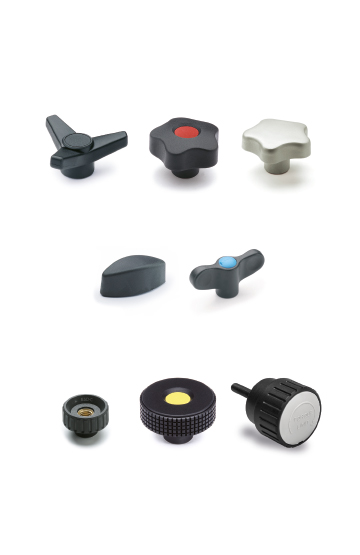
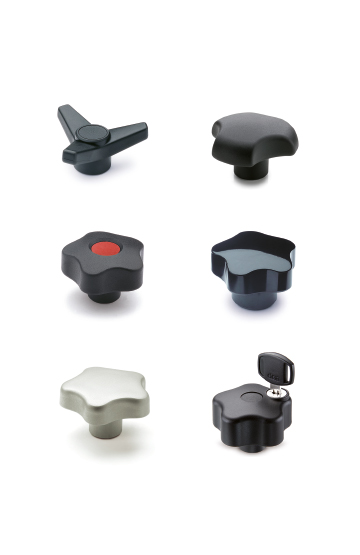
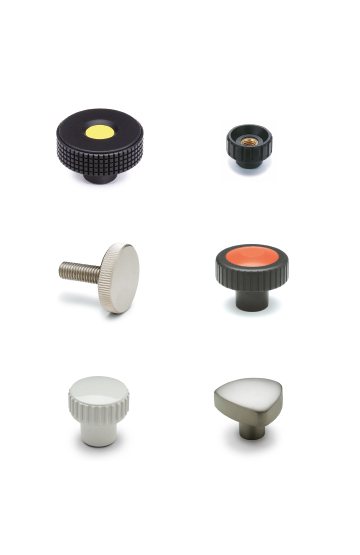
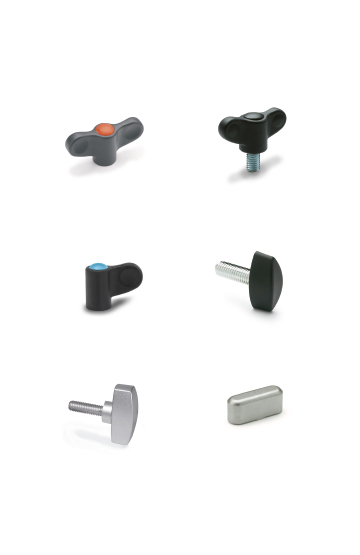
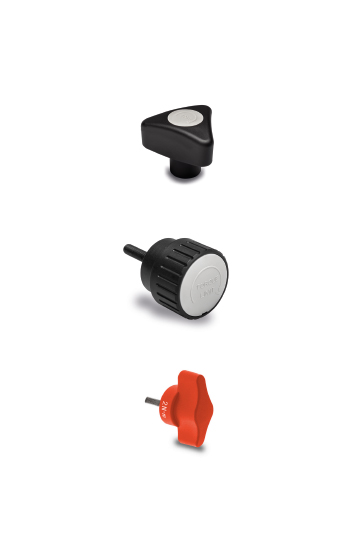
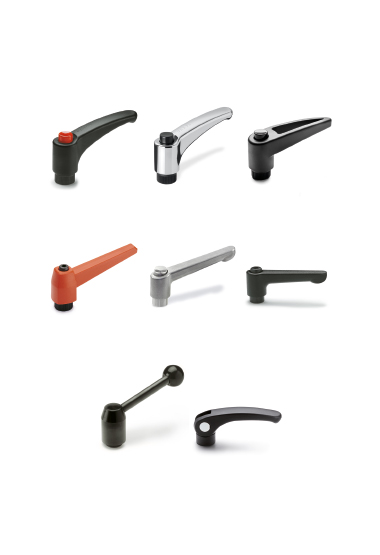
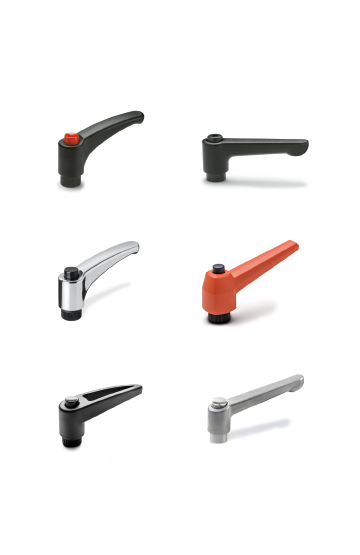
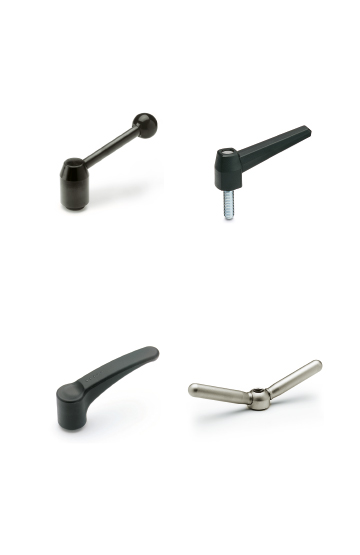
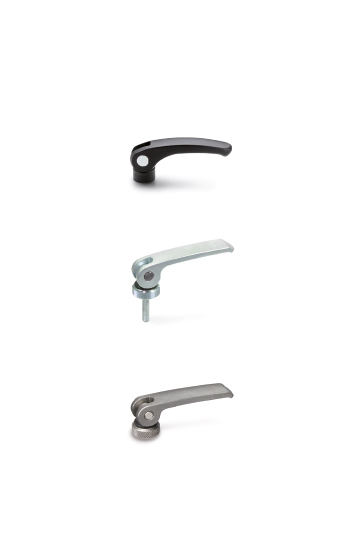
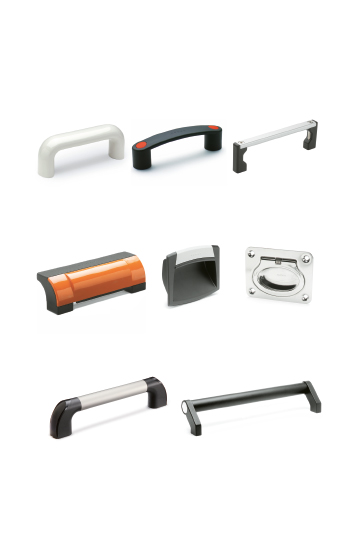
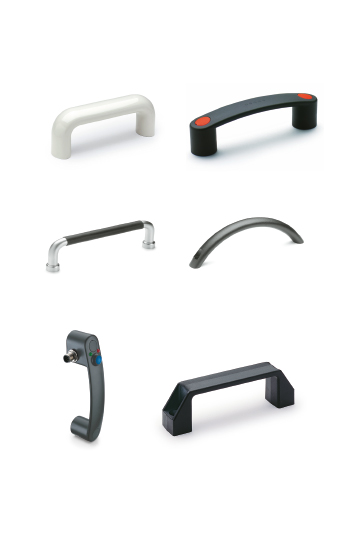
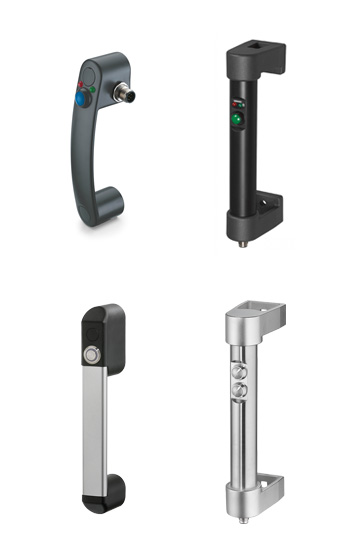
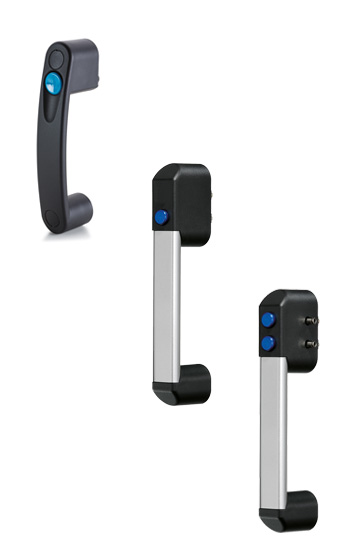
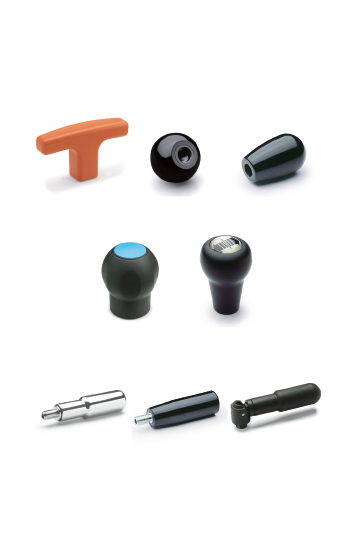
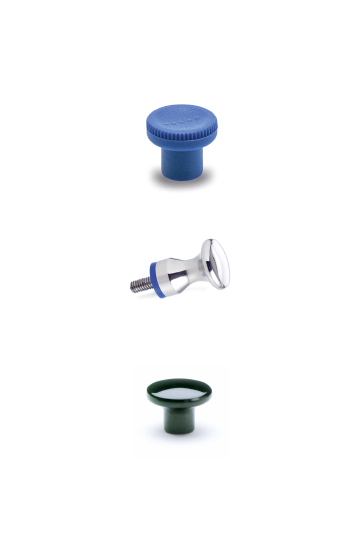
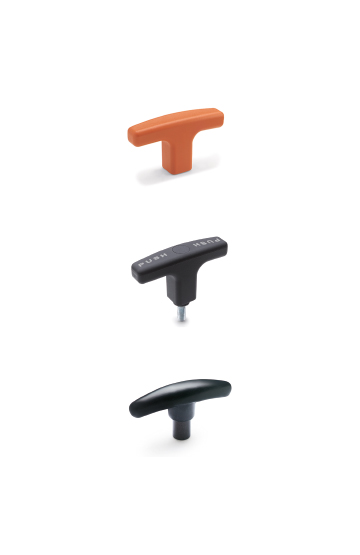
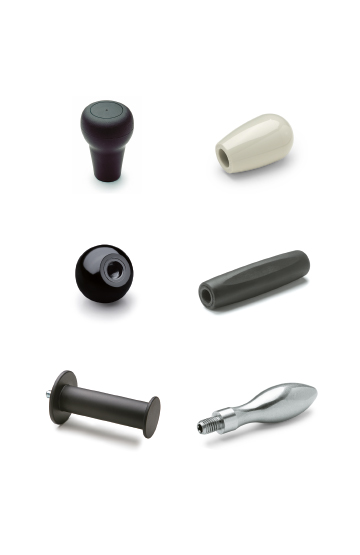
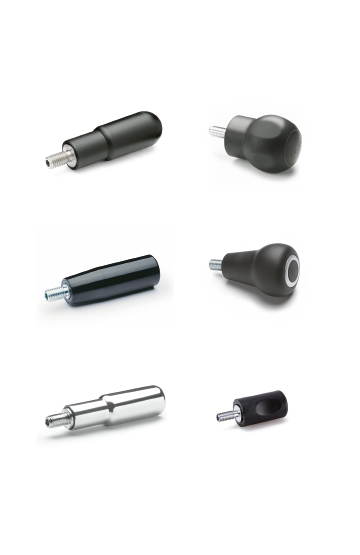
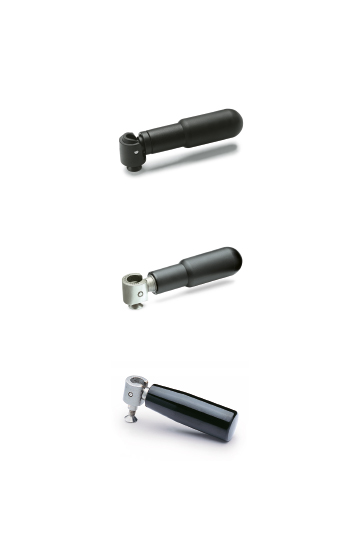
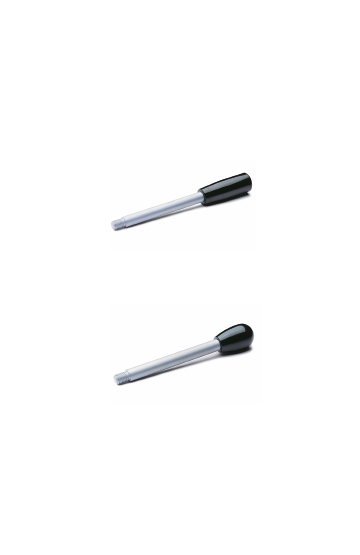
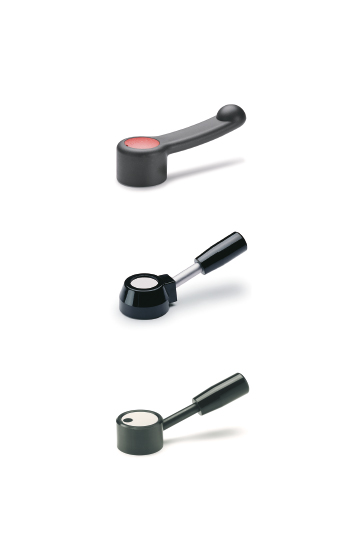
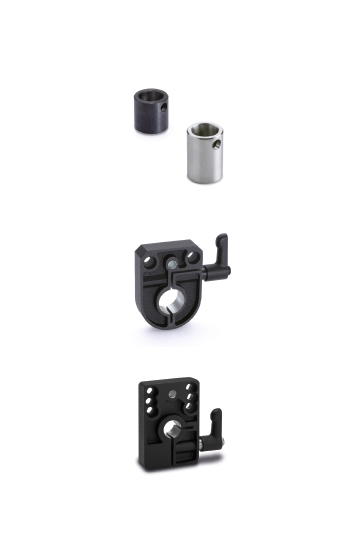
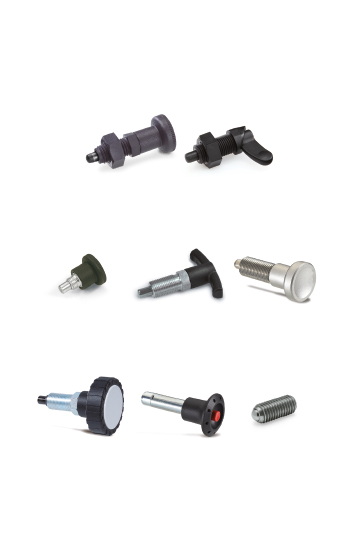
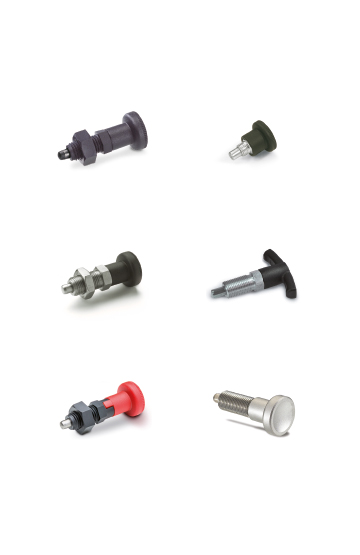
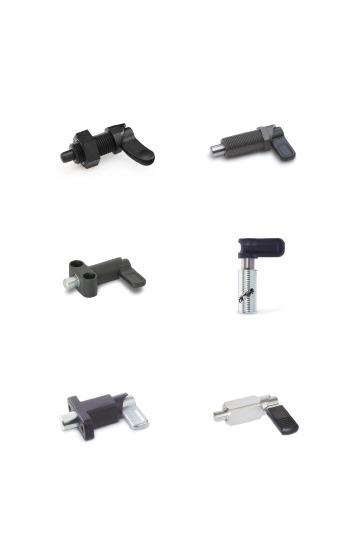
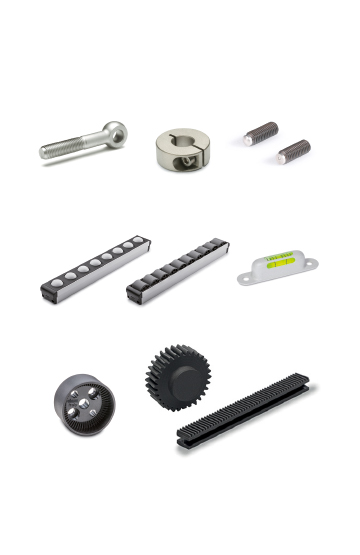
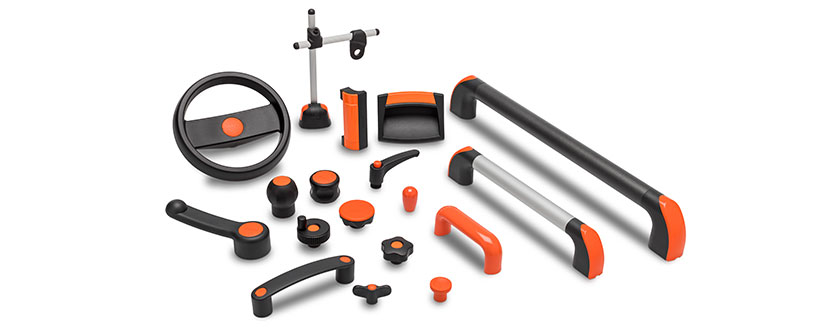
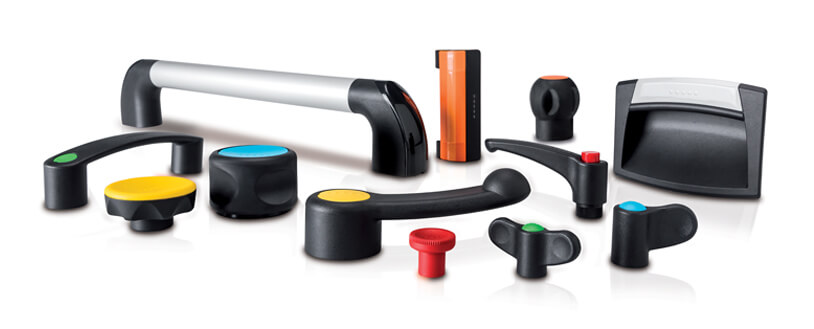
Advanced component design plays a critical role in maintaining machine accuracy, safety, and uptime in Canadian facilities. Components such as adjustable handles, industrial hinges, leveling feet, and position indicators directly influence how equipment responds to temperature variation, moisture, and mechanical load.
Where Climate Stress Impacts Equipment Performance
Climate stress affects industrial equipment in predictable but often underestimated ways. Low temperatures can reduce material toughness, causing plastics to become brittle and metals to lose impact resistance. Temperature swings introduce thermal expansion and contraction, which can slowly shift machine settings. Moisture and washdown cycles accelerate corrosion, compromise seals, and contaminate mechanical interfaces.
These effects are especially problematic in equipment that relies on frequent adjustment. Without components designed to maintain stability under these conditions, operators are forced to recalibrate more often, increasing downtime and the risk of inconsistent output.
Material Selection: Designing for Temperature and Moisture
Effective component design for Canadian climates starts with material selection. Stainless steel is commonly used for its corrosion resistance and stability across a wide temperature range, making it suitable for food processing, outdoor equipment, and washdown applications. Engineered polymers are selected not only for strength, but for impact resistance and dimensional stability in cold environments.
Surface treatments and finishes also matter. Anodized aluminum, specialized coatings, and sealed interfaces help prevent moisture ingress and corrosion, extending service life and maintaining smooth operation over time.
Maintaining Adjustment Accuracy in Variable Conditions
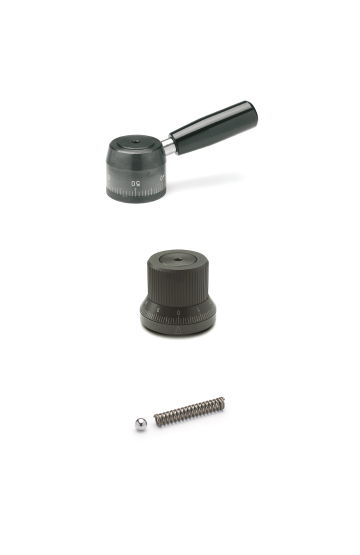
Adjustable components are particularly sensitive to environmental stress. Lead screws, threaded shafts, and adjustment mechanisms can shift as temperatures change, resulting in small but cumulative positioning errors. Over time, these deviations affect machine accuracy and repeatability.
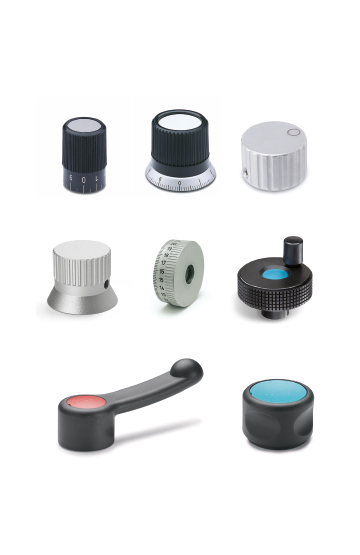
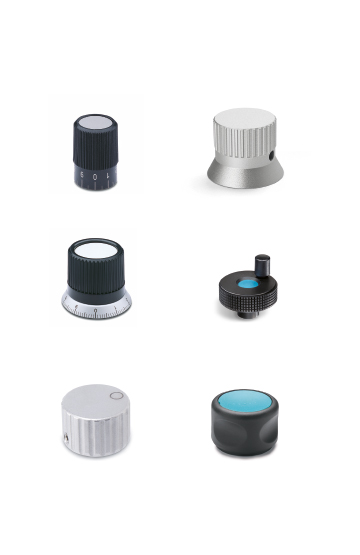
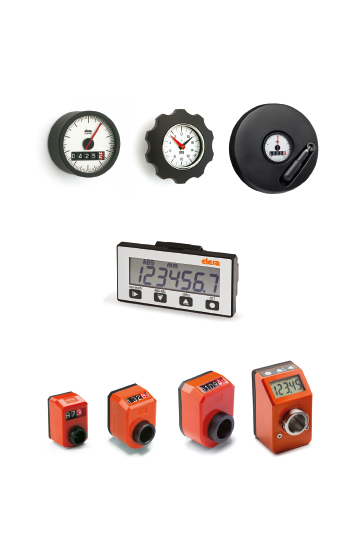
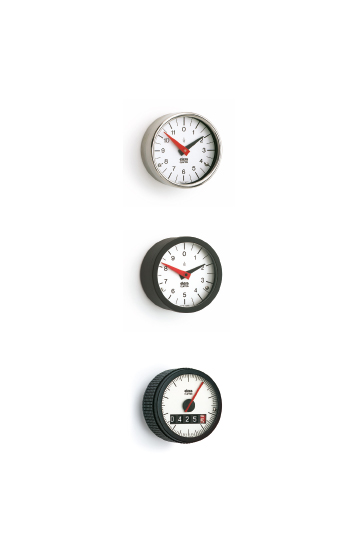
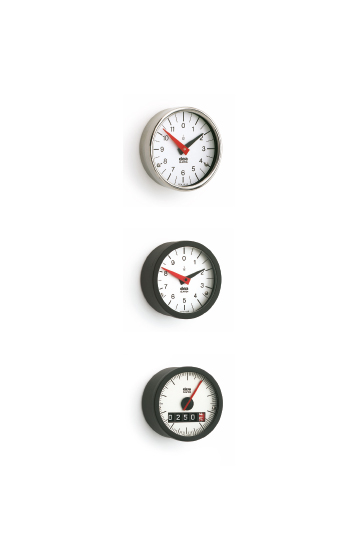
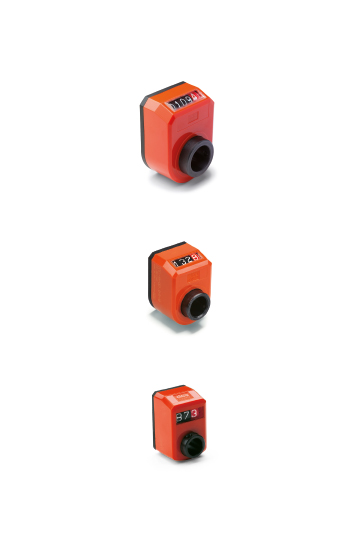
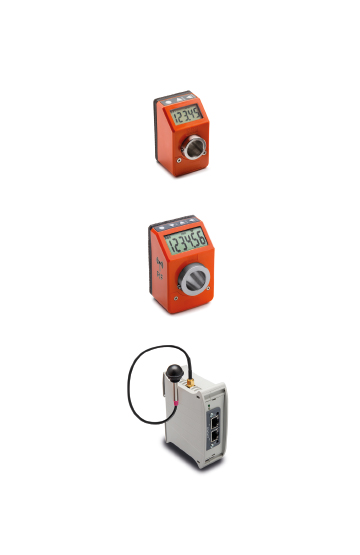
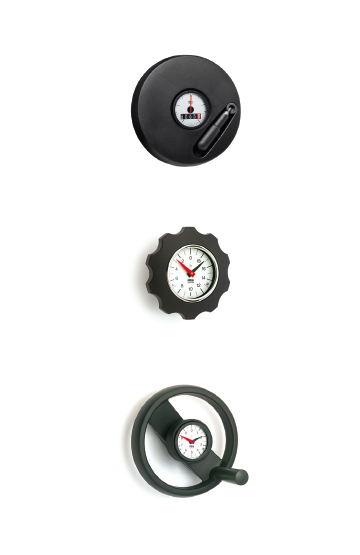
Position indicators-both mechanical and digital-provide a controlled reference that allows operators to verify and return to exact settings, even after environmental changes. In applications with frequent changeovers or multi-shift operation, position indicators reduce reliance on trial-and-error adjustments and help maintain consistent machine setup.
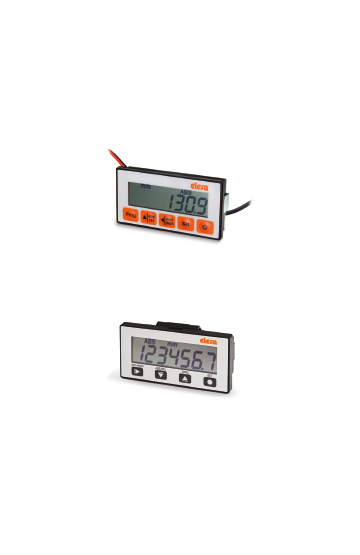
Digital position indicators offer additional advantages in low-visibility or cold environments, where clear, high-contrast readouts improve usability while reducing adjustment time.
Component Design for Washdown and Outdoor Applications
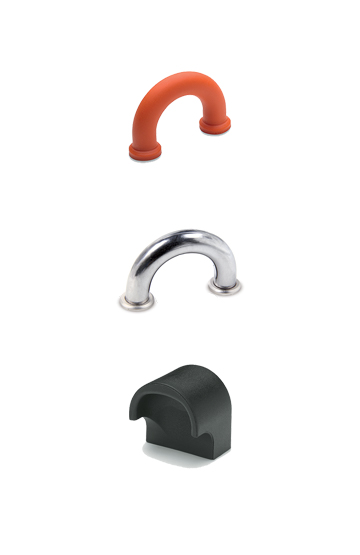
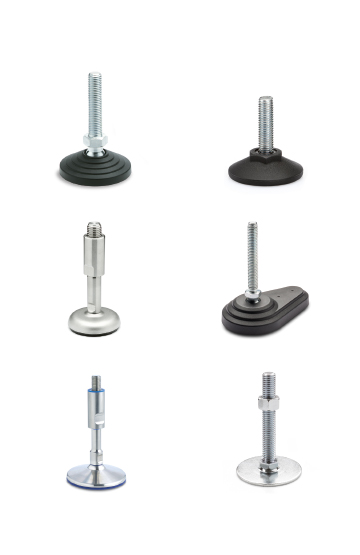
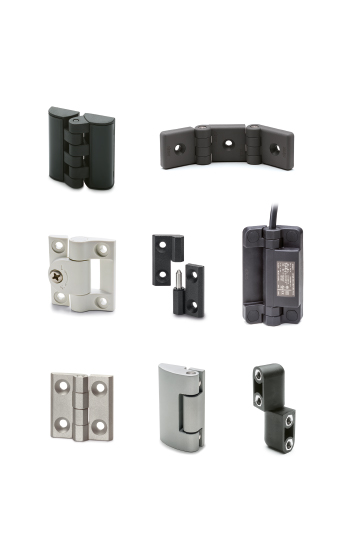
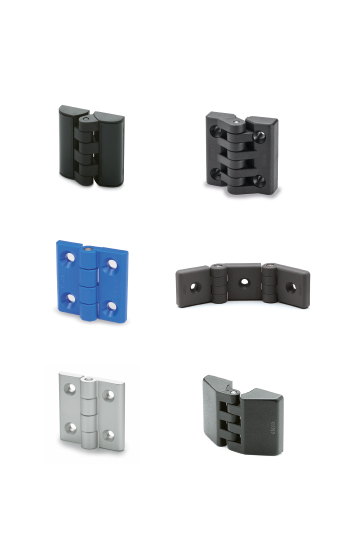
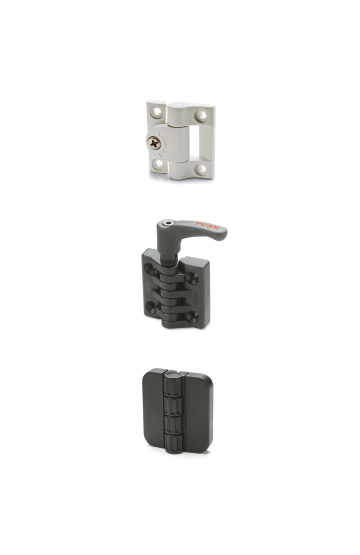
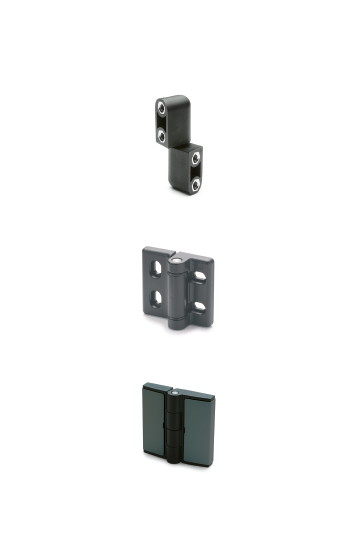
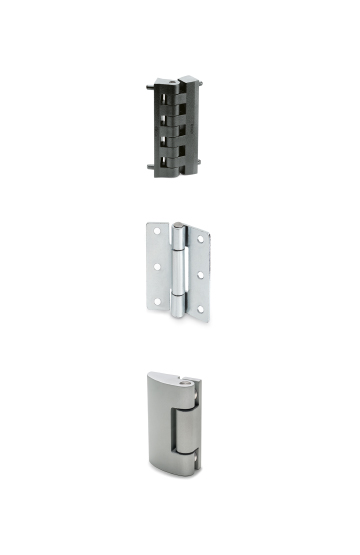
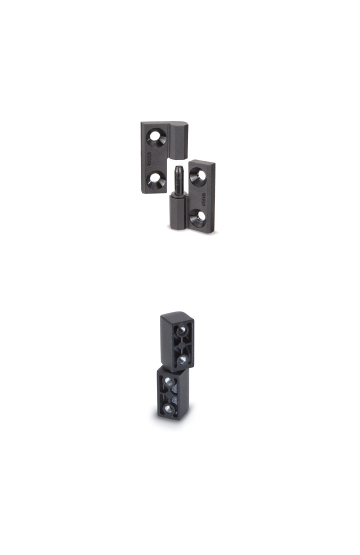
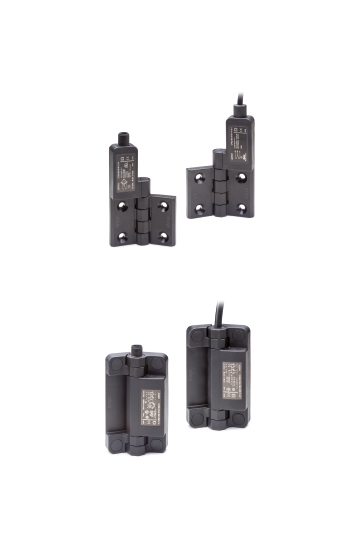
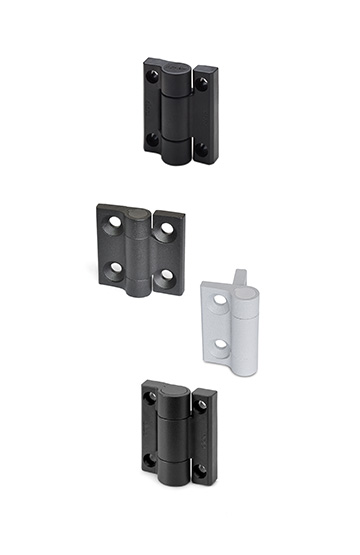
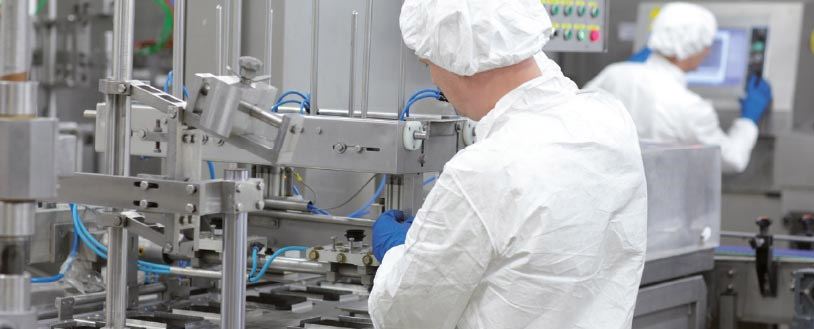
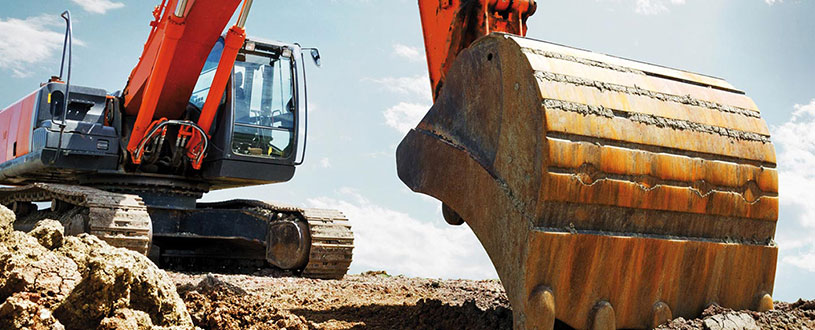
In washdown and outdoor environments, component design must account for repeated exposure to water, cleaning chemicals, and temperature cycling. Hinges and handles require sealed or corrosion-resistant designs to prevent binding or degradation. Leveling feet must maintain load-bearing capacity while resisting corrosion at floor contact points.
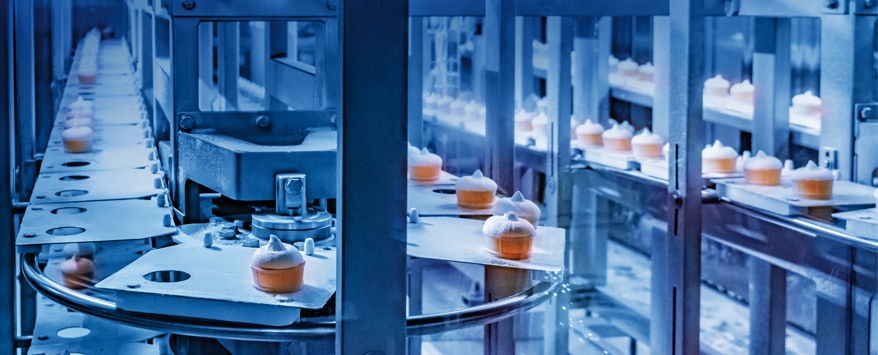
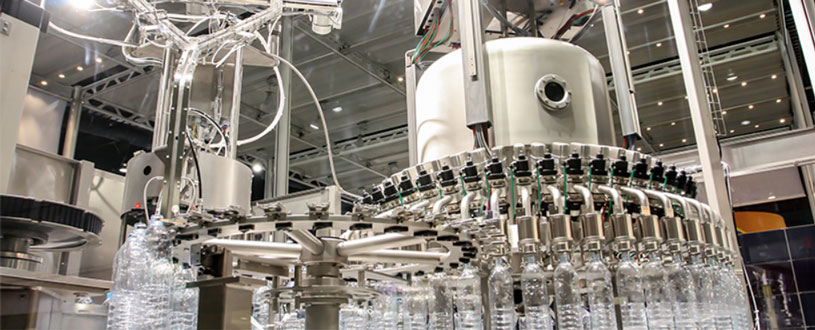
Hygienic leveling feet and sealed position indicators are often used in food and beverage applications to support both sanitation requirements and mechanical reliability. These components are designed to minimize crevices, protect internal mechanisms, and maintain adjustment accuracy over long service intervals.
Reducing Downtime Through Reliable Adjustment Systems
When components perform consistently under climate stress, operators spend less time compensating for environmental effects and more time producing. Reliable industrial adjustment systems reduce the need for frequent recalibration, minimize wear on primary machine elements, and improve overall equipment effectiveness.
In Canadian manufacturing environments, the ability to maintain accurate machine settings throughout seasonal changes is a measurable advantage. Advanced component design turns environmental challenges into manageable variables rather than sources of failure.
Engineering Components for Real-World Canadian Conditions
Designing for Canada means designing for extremes. Advanced industrial components engineered for temperature variation, moisture exposure, and mechanical stress provide the foundation for reliable, accurate equipment.
By selecting components built to withstand climate stress-supported by robust materials, sealed designs, and precise position indicators-manufacturers can protect machine accuracy, extend equipment life, and reduce operational risk, even in the most demanding conditions.
Ready to Optimize Your Equipment?
If your equipment operates in cold, wet, or variable environments, component selection can make a measurable difference. Choosing industrial components engineered for Canadian climate stress is often the first step toward improved accuracy, reliability, and uptime.
Explore ELESA's range of industrial components and connect with our team to see how advanced component design can help optimize your equipment for demanding applications.
